
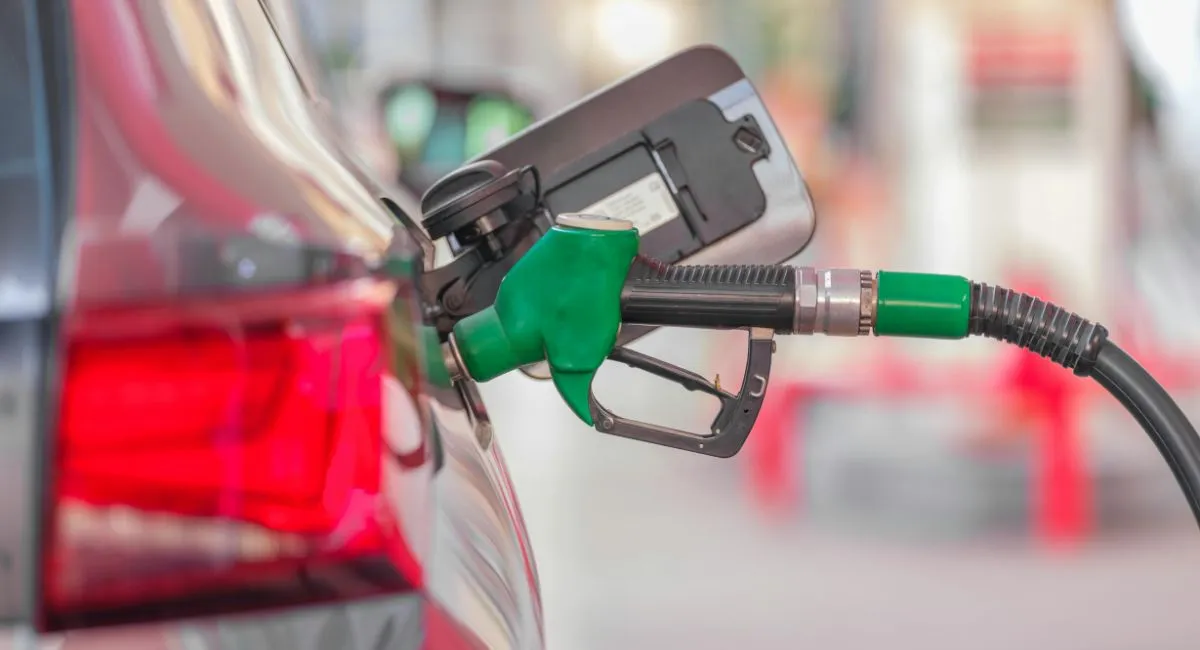
Prices of both diesel and petrol were raised by about 87-91 paise to 91 paise in less than ten days, and a third increase in less than ten days to day. Petrol was raised by 87 paise/litre while diesel prices increased by 91 paise/litre. This revision is expected to push petrol in the national capital to Rs 99,51 per litre and diesel to Rs 92.49 per litre.
This increase has come amid a global energy crisis and the conflict in the Middle East. Rising tensions in the Middle East have led to the blockage of shipments in the Strait of Hormuz, which accounts for nearly one-fifth of the global crude trade. Tight supply in global oil markets is sending crude prices soaring.
ALSO READ: China Coal Mine Blast: 90 Dead, Several Trapped After Heavy Explosion | Latest Updates
Until May 15, the country had largely kept the fuel prices steady at their existing levels for weeks despite the surge in global crude prices. Post this date, three revisions have been carried out in just nine days, with retail fuel prices having increased by approximately Rs 5 a litre cumulatively.
Recommended For You
India’s Fuel Price Hike Still Among the Lowest Globally
Despite recent increases, India’s fuel price adjustment remains relatively modest when compared to other major economies affected by the same global oil shock.
In several countries, fuel inflation has been significantly sharper in recent months:
United States - 44.5 per cent
UAE - 52.4 per cent
Pakistan - 54.9 per cent
United Kingdom - 19.2 per cent
Bangladesh - 16.7 per cent
Japan - 9.7 per cent
ALSO READ: UP Power Outage: BJP MLAs Join Opposition To Flag Electricity Crisis Amid Scorching Heat
The government had earlier stated that India's fuel price adjustment has been far more controlled than elsewhere, especially when coupled with the fact that initially, public sector oil marketing companies chose to bear a part of the global price increase.
India had previously brought down excise duties several times in the past and suffered large revenue losses to absorb the global volatility, but it has not always been feasible, as has now been seen.