
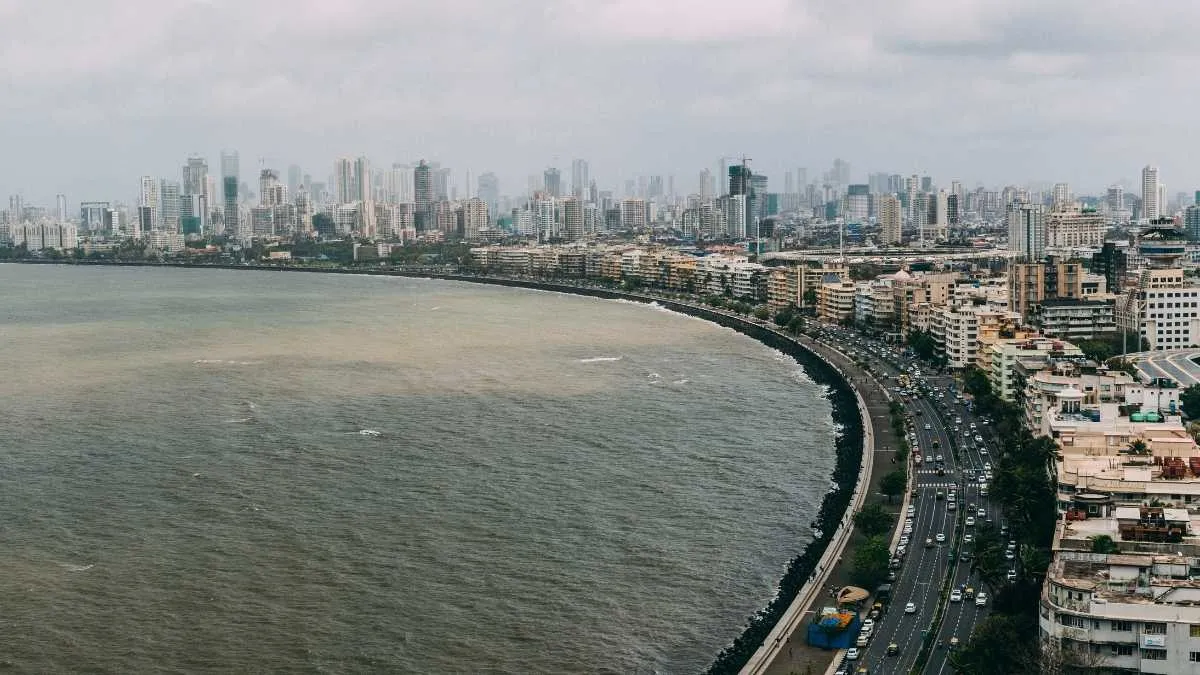
- 14 million people in Kolkata, Mumbai at immediate flood risk.
- Rising sea levels causing extensive damage to urban infrastructure.
- UN report warns of accelerating global threat from climate change.
More than 14 million people living in low-lying coastal areas, including parts of Kolkata and Mumbai in India, are at "immediate risk" of losing their homes due to permanent flooding caused by rising sea levels, according to a United Nations report.
The UN Secretary-General's report, titled 'Challenges related to sea level rise and ways and approaches to address it', released on Monday, warned that rising sea levels are already causing extensive damage to urban infrastructure, water systems, transport networks, energy grids, buildings and groundwater resources.
The report said these impacts are creating far-reaching consequences for human rights, long-term development and financial stability, with the severity of the risks varying across different regions.
"Rising seas are no longer a distant threat: they are happening now, faster than at any point in recorded history, and the pace is accelerating, making sea level rise one of the most profound threats to populations around the world in developed and developing states alike," the report added.
Recommended For You
ALSO READ: Nepal Floods: 163 Indians Brought To Safety As 5 More Rescued; Tunnel Rescue Mission Intensifies
Key points from the UN report
- The UN said low-lying coastal areas such as Kolkata, Mumbai and Dhaka are particularly vulnerable to the consequences of rising seas. One of the most serious impacts is the potential displacement of people as permanent flooding makes homes and settlements increasingly unsafe.
- The report said coastal risks should not be assessed solely by calculating their financial cost. The number of people at risk of losing their homes, livelihoods or lives must also be given equal consideration.
- Sea-level rise could also create serious public health challenges, particularly in densely populated coastal regions.
- Rising sea levels can seriously affect public health by damaging hospitals, sanitation systems and other coastal infrastructure.
- The report also warned that repeated flooding, displacement, damage to homes and loss of livelihoods could contribute to greater stress and mental health problems among affected populations.
- As seawater moves further inland, it can mix with underground freshwater sources and increase the salinity of wells and soil.
- Storms can also push seawater onto land, contaminating both surface water and groundwater for long periods. This poses a growing threat to drinking water supplies, agriculture, irrigation and ecosystems that depend on groundwater.
- The report said sea-level rise, combined with the sinking of land in some coastal areas, is making flooding increasingly severe, including damaging fragile coastal ecosystems, which leads to the loss of lives, homes, jobs and important natural habitats.
- The report called on governments to develop better and more integrated policies covering rivers, freshwater resources, coastal areas and oceans.
- Around 770 million people, or approximately 10 per cent of the world's population, live in coastal areas less than five metres above the high-tide level, putting them at serious risk from rising seas and related hazards.
- It further said sea levels are rising primarily because of climate change. The melting of glaciers and ice sheets is adding more water to the world's oceans. Due to this, warmer ocean water expands and occupies more space, further contributing to the rise in sea levels.
- The report said global sea levels rose by an average of 4.7 millimetres per year between 2014 and 2023. In 2024, the increase reached 5.9 millimetres, with unusually warm ocean temperatures contributing to the rise.
- The UN warned that sea levels are expected to continue rising until at least 2050 because some of the warming caused by past greenhouse gas emissions is already built into the climate system.