
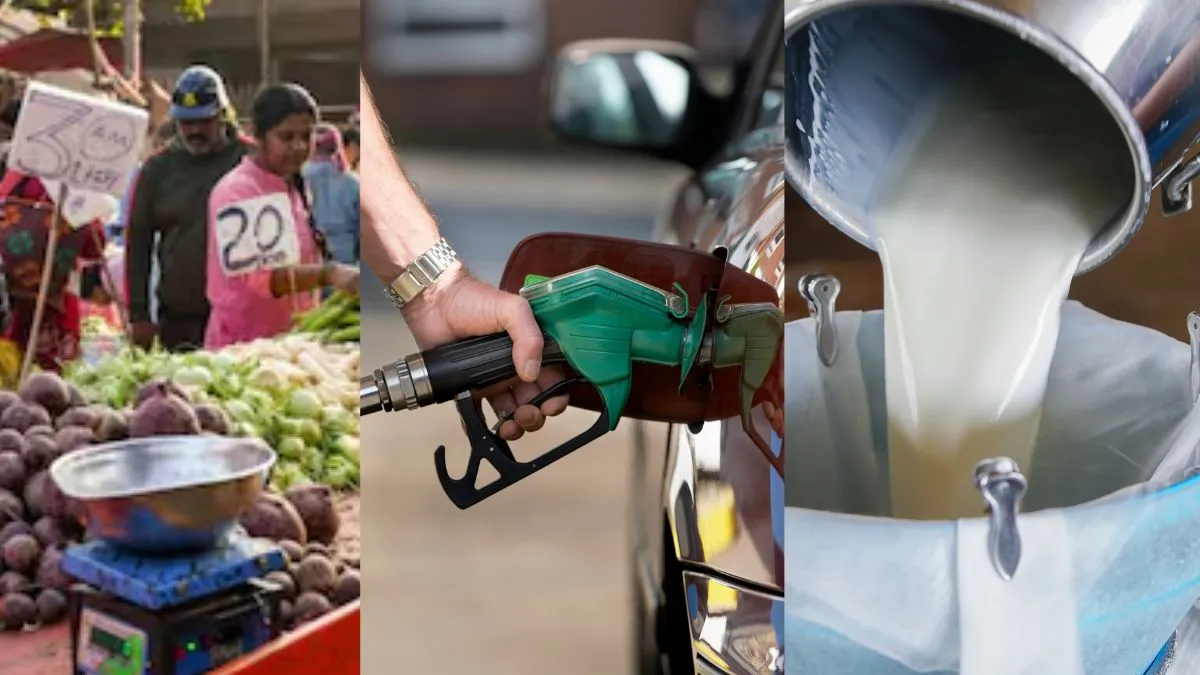
- Petrol, diesel prices increased by Rs 3 per litre.
- Transportation, food, and daily essentials to become costlier.
- Agriculture sector and delivery services may face higher expenses.
Petrol, Diesel Price Hike: Days after Prime Minister Narendra Modi called for fuel conservation, the Centre on Friday hiked petrol and diesel prices by Rs 3 per litre each across the country.
In New Delhi, the petrol prices rose from Rs 94.77 to Rs 97.77 per litre, while diesel prices increased from Rs 87.67 to Rs 90.67 per litre. The increase, which came into effect immediately on Friday, ends weeks of speculation over whether India would eventually be forced to pass on rising global oil costs to consumers.
While the hike may not seem very steep at first, its impact could slowly be felt across households and businesses alike. That is because fuel prices affect almost every part of the economy, from transportation and food supply to farming and delivery services.
How Higher Petrol, Diesel, And CNG Prices Can Impact Everyday Expenses?
At first glance, a Rs 3 increase may not look that much, but it can affect your day to day expense. Let us explain how.
- Diesel is the backbone of India’s transport system. Trucks carrying vegetables, milk, groceries, and daily essentials mostly run on diesel. Buses, generators, tractors, and logistics vehicles also depend heavily on it. So, when diesel prices rise, transportation costs eventually start increasing too.
Recommended For You
- This means the prices of several everyday items could slowly go up in the coming weeks. Vegetables, fruits, grains, edible oils, packaged foods, and dairy products may become more expensive as transporters begin passing on higher fuel costs.
- Perishable goods could see a sharper impact because cold storage vans and refrigerated transport systems consume large amounts of fuel.
ALSO READ: CNG Prices Increased In Delhi After Petrol, Diesel Price Hike; Here's New Rate
- Air travel may also become more expensive. Jet fuel prices have already surged globally amid tensions in West Asia and disruptions around the Strait of Hormuz. If fuel costs remain high, airlines could increase ticket prices to offset rising operational expenses.
- Consumers may also notice higher delivery charges on food and e-commerce apps like Swiggy, Zomato, Blinkit, Zepto etc. Ride-hailing services and delivery platforms work on thin profit margins where fuel plays a major role. Even if companies do not immediately increase base fares, platform fees, surge pricing, and delivery charges could gradually rise.
- The agriculture sector is also likely to feel the pressure. Farmers use diesel for tractors, irrigation pumps, and transporting crops to mandis. Higher fuel prices can increase farming costs, especially during sowing and harvesting seasons. Over time, this could also add pressure on food prices.
For now, the Rs 3 hike may look manageable. But the real effect of higher fuel prices is usually felt slowly through costlier transport, rising grocery bills, higher logistics expenses, and everyday services becoming slightly more expensive over time.