
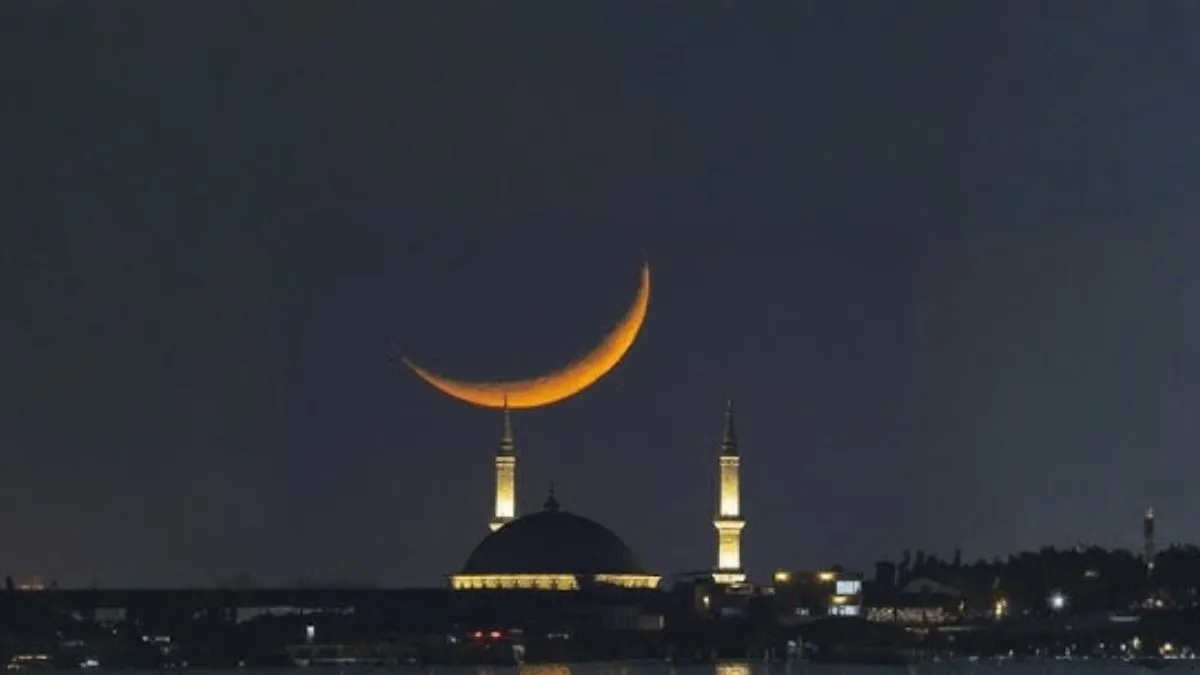
Ramadan Moon Sighting India: The Ramadan 2026 has begun in several Gulf nations, including the United Arab Emirates and Saudi Arabia, after the crescent moon was sighted on Wednesday, February 18. As the ninth month of the Islamic lunar calendar, Ramadan marks a sacred period of fasting, prayer and reflection for Muslims worldwide. Meanwhile, in India and other South Asian countries, the start of fasting will depend on the local moon sighting scheduled for Wednesday evening.
India awaits confirmation as religious scholars and community members prepare to scan the western horizon shortly after sunset. The crescent is likely to be visible between 6:15 PM and 6:45 PM IST on February 18. If sighted, Muslims across the country will begin observing the first fast on Thursday, February 19. However, if the moon remains unseen, the month of Sha’ban will complete 30 days, and Ramadan will begin on Friday, February 20.
City-Wise Timing In India For Moon Sighting 2026
| Cities | Timings |
| New Delhi | 6:18 PM to 6:42 PM |
| Gurugram | 6:19 PM to 6:43 PM |
| Chandigarh | 6:20 PM to 6:44 PM |
| Jaipur | 6:25 PM to 6:48 PM |
| Lucknow | 6:07 PM to 6:30 PM |
| Varanasi | 6:02 PM to 6:25 PM |
| Mumbai | 6:45 PM to 7:10 PM |
| Pune | 6:40 PM to 7:05 PM |
| Ahmedabad | 6:40 PM to 7:05 PM |
| Surat | 6:43 PM to 7:08 PM |
| Bengaluru | 6:35 PM to 7:00 PM |
| Hyderabad | 6:25 PM to 6:50 PM |
| Chennai | 6:10 PM to 6:35 PM |
| Kochi | 6:20 PM to 6:45 PM |
| Thiruvananthapuram | 6:22 PM to 6:47 PM |
| Kolkata | 5:50 PM to 6:15 PM |
Bhubaneswar | 5:55 PM to 6:20 PM |
| Patna | 6:00 PM to 6:25 PM |
| Bhopal | 6:30 PM to 6:55 PM |
| Raipur | 6:15 PM to 6:40 PM |
What Is Ramadan And Its Key Aspects?
Ramadan is the ninth and holiest month of the Islamic calendar, observed by Muslims worldwide as a period of fasting, devoted prayer, charity, and self-reflection. The sacred month commemorates the first revelation of the Quran to Prophet Muhammad. It is a time for spiritual renewal, fostering self-discipline, gratitude, and empathy for those in need.
Key Aspects Of Ramadan Include:
Recommended For You
Healthy adult Muslims observe fasting (Sawm) by refraining from food, drink (including water), smoking, and sinful behavior from dawn until sunset. It is one of the Five Pillars of Islam.
The fast is intended to cleanse the heart, strengthen faith, and deepen one’s connection with God.
Each day starts with a pre-dawn meal known as suhoor and concludes with iftar, the meal taken at sunset to break the fast.
During this month, Muslims devote more time to worship, including special nightly Tarawih prayers, recitation of the Quran, and charitable acts.
Ramadan also features Laylat al-Qadr (the Night of Power) and ends with the festival of Eid al-Fitr.
Exemptions from fasting apply to individuals who are ill, traveling, elderly, pregnant, or nursing.
Why Ramadan dates differ across countries
The beginning of Ramadan is determined by the sighting of the crescent moon.
Since moon visibility varies by location, different countries may announce the start on different days.
Gulf nations such as the United Arab Emirates and Saudi Arabia often confirm sightings earlier due to their geographical position.
Countries like India typically commence Ramadan a day later when the moon becomes visible locally.
The sacred month is observed by millions of Muslims worldwide through fasting, prayers, charity, and community gatherings.