
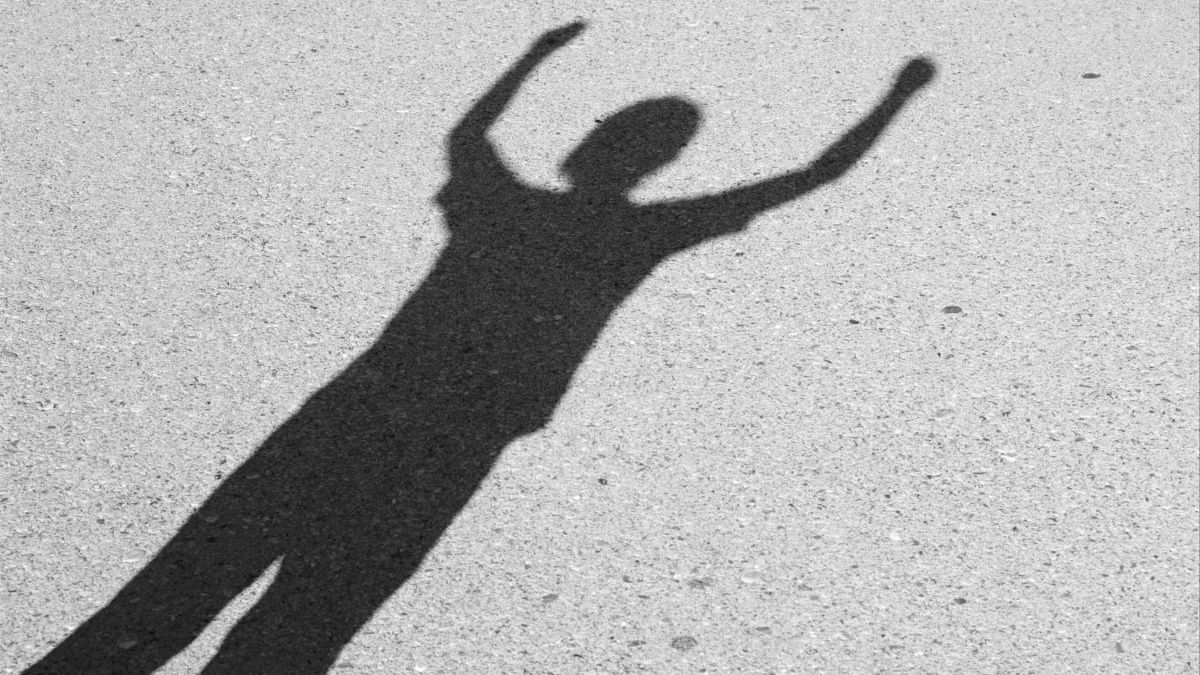
THE CITY of Bengaluru is all set to witness a rare celestial phenomenon referred to as ‘Zero Shadow Day’ on April 25 (today). The event is likely to take place at 12:17 AM when all the vertical objects will have no shadow for a short period of time, various reports indicate.
To mark this special event, the Indian Institute of Astrophysics (IIA) at Bengaluru's Koramangala will be organising various events at its campus. The tweet of IIA read "Come celebrate Zero Shadow Day #ZSD at our Koramangala campus on 25 Apr from 10 AM-1 PM. Sun will be directly overhead at 12:17."
Highlights of the "Where's the Shadow" workshop organised by @CosmosMysuru, @IIABengaluru, @uom_icd & @KutuhaliKannada on 17th Apr 2023 at Vijanana Bhavan, University of Mysore, Mysuru @nsitharaman @nsitharamanoffc @FinMinIndia @IndiaDST @DAEIndia @PrinSciAdvGoI @asipoec
— COSMOS Mysuru (@CosmosMysuru) April 24, 2023
1/2 pic.twitter.com/gsXHAOwRkM
“To celebrate this, we are organising a public talk followed by hands-on activities to demonstrate Zero Shadow Day at our campus. The latter will involve observing the effect of the changing shadow length of objects as well as measuring the length of the shadow by the visiting public. We will also be coordinating with a school at a different location to collaboratively measure the Earth’s diameter. The moment of zero shadows when the Sun is directly overhead in Bengaluru, i.e., local noon, is at 12:17 afternoon,” it added.
Recommended For You
ALSO READ :World Malaria Day 2023: History, Significance, Theme And Other Important Details
What Is Zero Shadow Day?
It is a special phenomenon that occurs twice a year, when the Sun’s position is directly overhead, casting no shadow on the Earth’s surface. According to the Astronomical Society of India (ASI), the Sun will not cast a shadow on an object, when it is exactly at the zenith position.
Tomorrow 25/04/2023 we are going to observe the Zero Shadow Day. Sun will be directly overhead in Bangalore at Noon. If we have Vertical reference such as a pole, at 12:17pm Sun will be overhead and as a result there will be no shadow of the reference pole. pic.twitter.com/bqOGCSWdjO
— ASSOCIATION OF BANGALORE AMATEUR ASTRONOMERS(ABAA) (@abaaonline) April 24, 2023
"For people living between +23.5 and -23.5 degrees latitude, the Sun's declination will be equal to their latitude twice, once during Uttarayan and once during Dakshinayan. On these two days, the Sun will be exactly overhead at noon and will not cast a shadow of an object on the ground, ASI wrote on their website."
The actual duration of this celestial phenomenon only lasts a fraction of a second, but its effect can be seen for up to a minute and a half, several reports state. Bhubaneswar in Odisha has also wintnessed Zero Shadow Day in 2021.