
- By Iram Hussain
- Wed, 27 Nov 2024 05:35 PM (IST)
- Source:JND
HIV (Human Immunodeficiency Virus) is a virus that attacks the immune system, weakening the body's ability to fight infections and certain cancers. It attacks the body's immune system, compromising its ability to fight off infections. If left untreated, HIV can progress to AIDS (Acquired Immunodeficiency Syndrome), a life-threatening condition. Understanding the virus, its transmission and the preventive measures can significantly reduce the risk of spreading HIV.
In conversation with Jagran English, Dr Trupti Gilada, Infectious Diseases Physician, Unison Medicare and Research Centre, Mumbai explained the facts about HIV transmission in detail.
Main Ways HIV is Transmitted
HIV is mainly transmitted through certain body fluids: blood, semen (including pre-cum), vaginal fluids, rectal fluids and breast milk. The virus enters the bloodstream through mucous membranes in the rectum, vagina, urethra (the opening of the penis) or through open cuts or sores on the skin. Here are the primary ways HIV spreads:
Sexual Contact
- Unprotected vaginal and anal sex are the most common ways HIV is transmitted.
- Unprotected sex, including among men who have sex with men (MSM), sex workers, and with multiple partners, remains a significant risk factor. Anal sex carries a higher risk due to the fragile lining of the rectum, which makes it easier for HIV to enter the bloodstream.
- Oral sex is considered a low-risk activity, but the risk is not zero.
Injection Drug Use
- Sharing needles, syringes, or other injection equipment is another high-risk activity. Injection drug use remains a significant concern in certain regions in India, where people who inject drugs (PWID) face higher risks of HIV (in addition to Hepatitis B and C) transmission due to the sharing of contaminated needles.
Mother to Child
- HIV can be passed from an HIV-positive mother to her baby during pregnancy, childbirth, or breastfeeding.
- Prevention in India: There are established programs for preventing mother-to-child transmission in India where all pregnant women are tested. HIV-positive mothers can take antiretroviral treatment (ART) during pregnancy and childbirth, which reduces the risk of transmission to the baby.
Tattoos and Piercings are a lesser common but possible mode of transmission. HIV could potentially be transmitted through non-sterile needles or tattoo equipment that is contaminated with blood from an HIV-positive person.
Prevention is Key
Understanding how HIV spreads enables us to protect ourselves and others. The following measures are highly effective in reducing the risk of transmission.
Condoms- Using condoms during vaginal, anal, or oral sex is one of the most effective ways to prevent HIV transmission. Condoms also prevent other sexually transmitted infections and undesired pregnancy.
PrEP (Pre-Exposure Prophylaxis)- PrEP is a medication that people at high risk of HIV can take to prevent infection. While still not widely used in India, PrEP has shown high effectiveness in reducing the risk of HIV among at-risk populations, including men who have sex with men (MSM) and HIV-negative partners of HIV-positive individuals.
ART (Antiretroviral Therapy)- People living with HIV who are on ART can achieve an undetectable viral load, meaning the virus is so low in their blood that it cannot be transmitted through sex. This is known as "undetectable = untransmittable" (U=U).
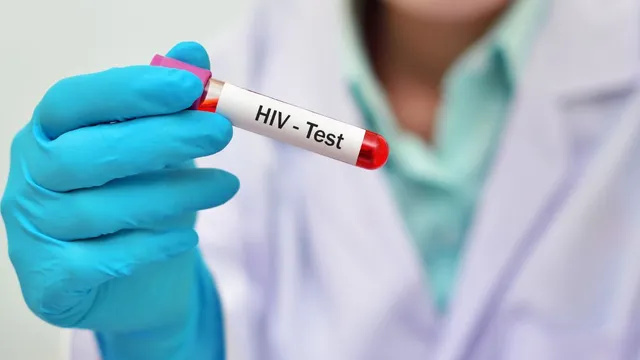
Regular HIV Testing- Routine HIV testing is key to knowing your status. In India, we are constantly making efforts to increase awareness about the importance of HIV testing, especially among high-risk populations.
What Doesn’t Transmit HIV?
It’s important to address common myths and misconceptions about HIV transmission.
Casual Contact-HIV is not transmitted through casual contact such as hugging, shaking hands, or sharing food or drinks.
Mosquitoes or Insects- HIV cannot be transmitted by mosquitoes, other insects, or animals.
Saliva -HIV is not transmitted through saliva. Activities like kissing (unless there are open sores in the mouth) or sharing a toothbrush are not risk factors for HIV transmission.
Why HIV is Not the Same as AIDS?
HIV is the virus that causes AIDS (Acquired Immunodeficiency Syndrome) but not everyone with HIV will develop AIDS.
HIV Treatment- With early detection and proper treatment through ART, people with HIV can live long, healthy lives without ever developing AIDS. In India, ART has become increasingly accessible which has greatly improved the health outcomes of people living with HIV. Regular ART adherence helps reduce the viral load to undetectable levels, preventing the progression of the disease.