
Cervical Cancer Awareness Month: January is observed as Cervical Cancer Awareness Month in recognition of the interventions that can be achieved to prevent this preventable cause of death among thousands of Indian women. In India alone, cervical cancer is the second most common type of cancer among women. Nearly all cases of cervical cancer are caused by Human Papillomavirus infection, which is transmitted by sexual contact despite the fact that having cervical cancer or HPV infection is often stigmatised or taboo in some cultures because of myths regarding these conditions.
In India, a woman dies every two minutes from this treatable cancer, contributing to a quarter of world deaths, though effective measures are cheap. In conversation with The Daily Jagran, Dr Sachin Sekhar Biswal, Consultant - Medical Oncologist, Manipal Hospital Bhubaneswar, explains why Indian women are still dying of cervical cancer that can be detected early.
Main Factors Behind Cervical Cancer Death At The Individual/ Community Level
- Delayed diagnosis in older women and unmarried women as per a systematic review analysing 45 Global studies
- Low awareness of the symptoms of cervical cancer and low socioeconomic status
- Misinterpretation of persistent symptoms as any other disease
- Stigma associated with the testing or the diagnosis
Recommended For You
Main Factors Behind Cervical Cancer Death Healthcare Level
- Under-utilised screening measures, e.g. PAP/ HPV testing
- Not Performing Physical examinations such as per speculum examination in clinical encounters
- Cytology that's a false negative or not associated with HPV co-testing
- Inadequate follow-up instructions

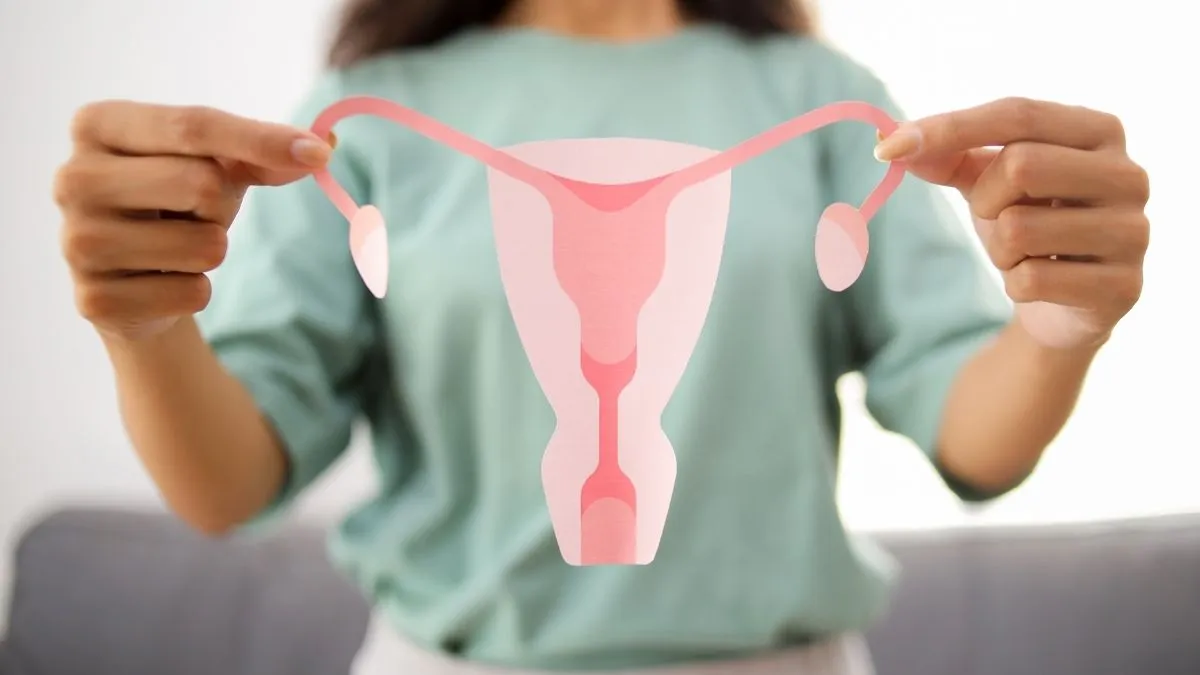
Cervical Cancer In Women (Image Credits: Canva)
Main Factors Behind Cervical Cancer Death Health System Level
- Inaccessible healthcare in rural areas
- Inadequate training at the primary level
- Delayed referral
- Inadequate coverage of the screening program
Apart from these factors prohibiting early diagnosis of cervical cancer, there are some common myths surrounding it.
The most common myth around cervical cancer is that only women with multiple sexual partners get cervical cancer. Dr Sachin Sekhar Biswal states, “No doubt that promiscuity is a risk factor, but women with a single sexual partner are also at risk.” All sexually active women are at risk for cervical cancer.
ALSO READ: Can Irregular Bleeding Mean Cervical Cancer? Doctor Explains Warning Signs To Look Out For
There's a misconception that HPV infection can clear on its own. Despite that, HPV infection needs monitoring.
It's also a common belief that being less sexually active might diminish the risk of cervical cancer. However, once someone is infected with HPV, the risk remains and the screening recommendations are the same, irrespective if someone is sexually active or not.
There's a myth that many women “feel Healthy” or are asymptomatic and they stop screening at a regular interval. The result is a loss of the opportunity for early diagnosis.
Despite the campaigns by governments and other organizations, some caveats remain in the knowledge-Attitude and Practice of our societies. Addressing these will overcome the barriers to improved diagnosis and treatment of cervical cancer.