

Earphones have become inseparable from daily life, powering music, calls, podcasts, workouts and online meetings. But this convenience is fuelling a silent and irreversible health crisis, noise-induced hearing loss (NIHL). According to the World Health Organisation (WHO), over 1 billion young people globally are at risk due to unsafe listening practices involving the use of earphones or similar devices, and similar patterns are emerging in India.
Noise-induced hearing loss occurs when loud sounds damage the delicate hair cells in the inner ear. These cells do not regenerate, as they are incapable of regenerating due to the limited number of hair cells, which can lead to temporary or permanent hearing loss. The permissible loudness recommended is 85 dB. If you are hearing sounds beyond 85dB continuously for a period of time, there is a higher chance of experiencing noise-induced hearing loss. In conversation with The Daily Jagran, Dr. Vinayak Kurle, Consultant – ENT, Aster RV Hospital, Bangalore, shares the symptoms, risks of NIHL and how earphone use causes damage.
Early Symptoms Of Noise-Induced Hearing Loss
- Ringing or buzzing sensation in the ear.
- A sense of blocked, muffled or distorted hearing.
- Difficulty understanding conversations and speech, especially in noise.
- Ear discomfort after long listening sessions
ALSO READ: Expert Lists Simple Tips To Prevent Hearing Loss At Young Age
Recommended For You
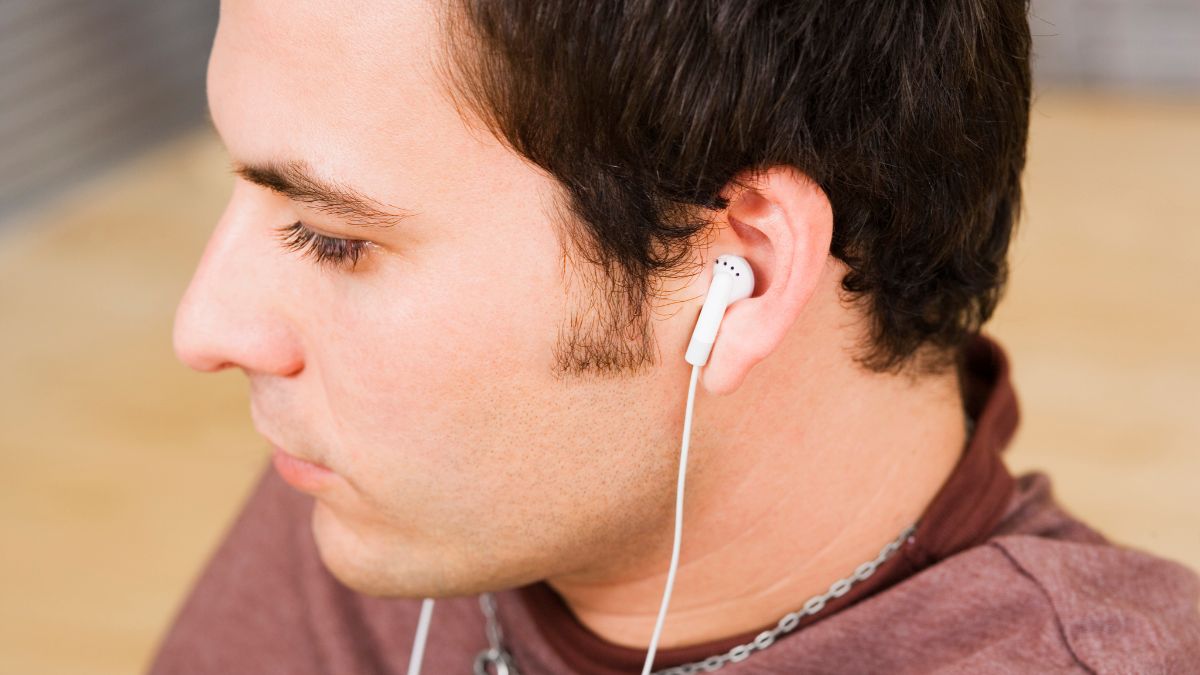
Earphones Major Cause Of Noise-Induced Hearing Loss (Image Credits: Canva)
Increased Sensitivity To Sounds
Many people ignore these symptoms as temporary fatigue or insignificant, and delay medical attention. Ignoring these may worsen the situation and outcomes. Over time, untreated hearing loss can lead to social isolation, depression, cognitive decline and reduced work productivity.
- Despite the growing concern, noise-induced hearing loss is largely preventable.
- Avoiding exposure to loud noise remains the most effective measure.
- Where exposure is unavoidable, use protective equipment such as earplugs, earmuffs and noise-filtering devices to reduce the risk.
- Noise-cancelling earphones also help by lowering the need to increase volume in noisy surroundings.
- Adopt WHO’s 60 – 60 rules: Listen at no more than 60% volume, for no longer than 60 minutes at a time.
- Limit daily earphone use and avoid maximum volume; limit the volume to below 80dB.
ALSO READ: What Are The Types Of Hearing Disorders In Children? Know From Expert
Regular breaks, periodic hearing tests and early consultation with an ENT specialist at the first sign of symptoms such as tinnitus or muffled hearing can prevent further damage. Permanent hearing loss does not happen overnight; it builds slowly, and by the time young people realise it, the damage is often irreversible. Healthy listening today is the only way to preserve hearing for tomorrow.