

Developing a strong relationship with your kids is essential to their overall growth and well-being. Children need a stable and secure connection to feel safe and trusted, which is crucial for their emotional and psychological development. Children who experience a strong attachment to their parents or primary caregivers are more likely to grow up to have good relationships, behave well in social situations, and have higher self-esteem. Consistent, caring interactions between parents who are sensitive to their children's needs and feelings are the foundation of this bond.
A closer bond is created by spending quality time together, actively listening, and demonstrating sincere interest in their ideas and emotions. Children with a stable attachment not only feel more capable of handling stress and challenges but also grow more independent and self-assured because they know they have a solid support system. Furthermore, a strong relationship with parents can positively impact kids' behaviour, resilience, and academic success.
It also lays the groundwork for their subsequent relationships by teaching them how to build connections based on mutual respect and trust. In summary, the significance of creating a strong bond with your children cannot be overemphasised because it is essential to determining their current and future well-being and helps them feel loved, respected, and understood. In a conversation with Jagran English, Ms. Ruchika Sethi, a consultant-counselor-psychologist at Rainbow Hospital in Sarjapur, Bangalore, talked about how you can build strong bonds and secure attachments with your child.
Recommended For You
According to Ms. Ruchika, building a secure bond with your children is the key to providing them with a protective and safe childhood. Research shows that children with a strong and close bond with their parents tend to be happier, more socially compatible, confident, friendly, and more trusting of others. In the long run, their relationships with peers become stronger. Here are a few tips for building a secure relationship with your children:
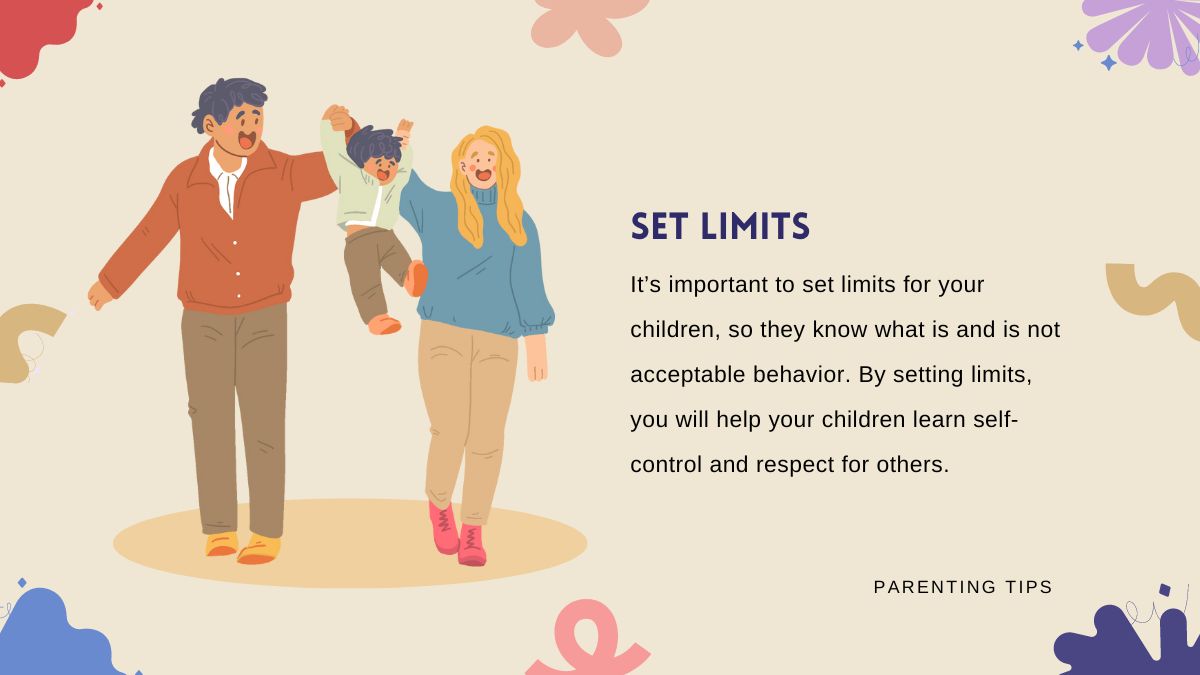
Do you know you support boosts children's self-esteem, behavior, resilience, and academic success.(Image Credit:Canva)
This is the most crucial step in building a healthy relationship with your children. Give your children the required amount of attention, sometimes even when they are not demanding it. No matter how busy you get with work, there should be a particular time in the day when you sit, spend time with your children, and truly listen to their needs.
Also Read: Five Ways To Do Intermittent Fasting By Age Group | Complete Guide
Validate Your Child’s Feelings
Being able to communicate with your parents at any time is a blessing for many children. Remember, family is the first social group for every kid. Try to build a safe and protective space for your children where they can talk about their feelings. No matter how young your child is, try to validate their feelings and show them that you care.
Get Involved In Activities They Enjoy
Children are free spirits, and restricting them wouldn't do any good. Instead of putting them in activities they do not enjoy, try getting involved in activities they enjoy. It could be as simple as coloring, baking, or crafting. Show them that there is a vast world beyond phones and computers. This way, your children will be more drawn to spending time with you, and it will provide them with memories for a lifetime.
Be Careful With The Words You Choose
Children should be handled delicately, and remember, words once spoken can never be taken back. Children reflect their parents. It is crucial to be mindful of the words you speak with or around your children. Validate their feelings, compliment them, and use words of affirmation when dealing with your children.
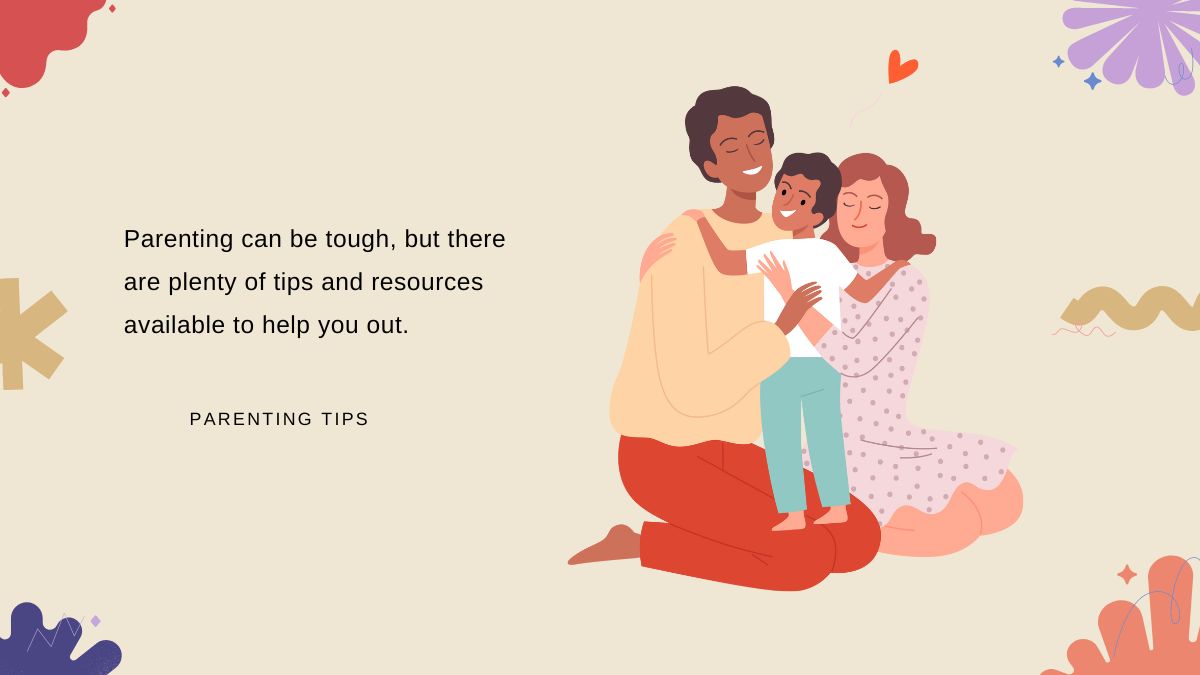
Building strong bonds with children is crucial for their well-being and future growth, as it fosters mutual respect and trust, fostering love and understanding. (Image Credit:Canva)
Physical Comfort And Affection
A secure relationship with your child can largely be achieved through physical touch. It fosters feelings of security, coziness, and kinship.
Hugs And Cuddles: Show physical affection by giving hugs and cuddles. This physical proximity fosters a sense of security and love.
Comfort in Distress: When your child is feeling down, give them physical support by holding them, rocking them, or giving them a gentle back rub. Your touch and presence can lessen their distress.
Adapt Your Parenting Methods To Your Child's Developmental Stage
As your child grows, modify your parenting style to suit their evolving needs. This adaptability demonstrates your awareness of their uniqueness and helps maintain a stable bond over time.
Age-Appropriate Expectations: Modify your expectations according to your child's developmental stage and age. This encourages a sense of security and competence.
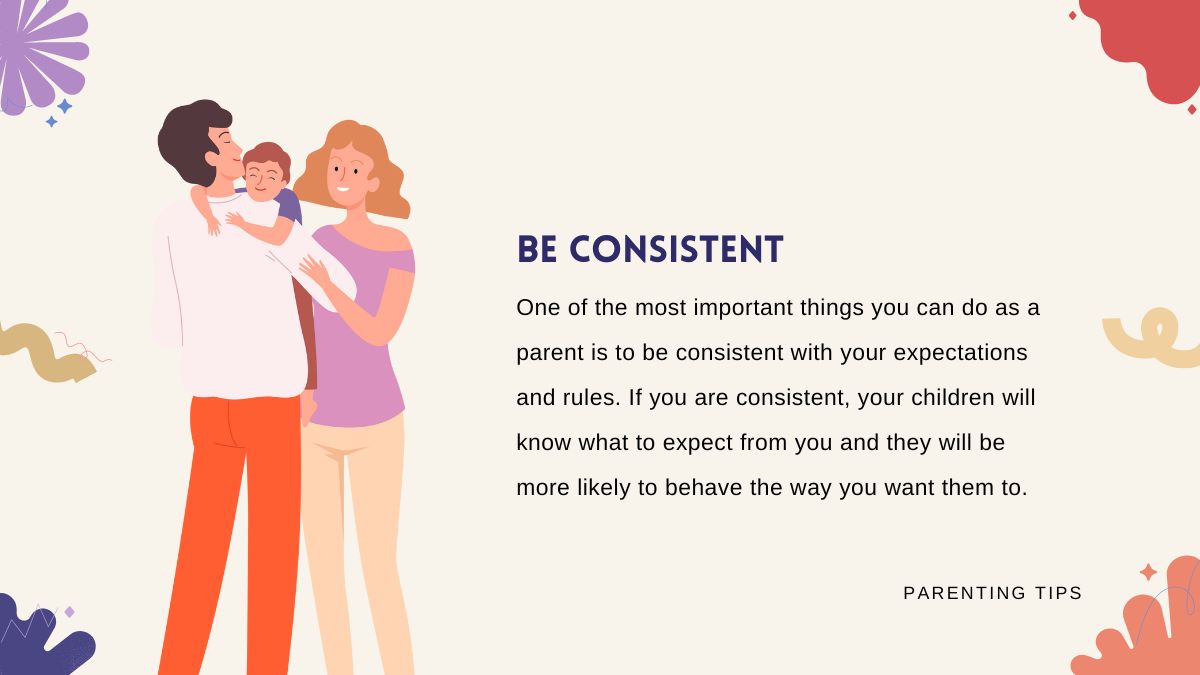
A secure relationship with your child can largely be achieved through physical touch. It fosters feelings of security, coziness, and kinship.(Image Credit:Canva)
Encourage Independence: Provide your child with a stable foundation of emotional support and direction while encouraging their growing independence.
Also Read: IRCTC Ayodhya Dham Yatra: Date, Time, And Package Details
Ms. Ruchika concluded, "In essence, building a secure attachment with your children is about being present, responsive, and nurturing. By consistently providing love, support, and understanding, you create a strong foundation for their emotional well-being and future relationships. This bond not only enriches their childhood but also equips them with resilience and confidence as they navigate the world."