
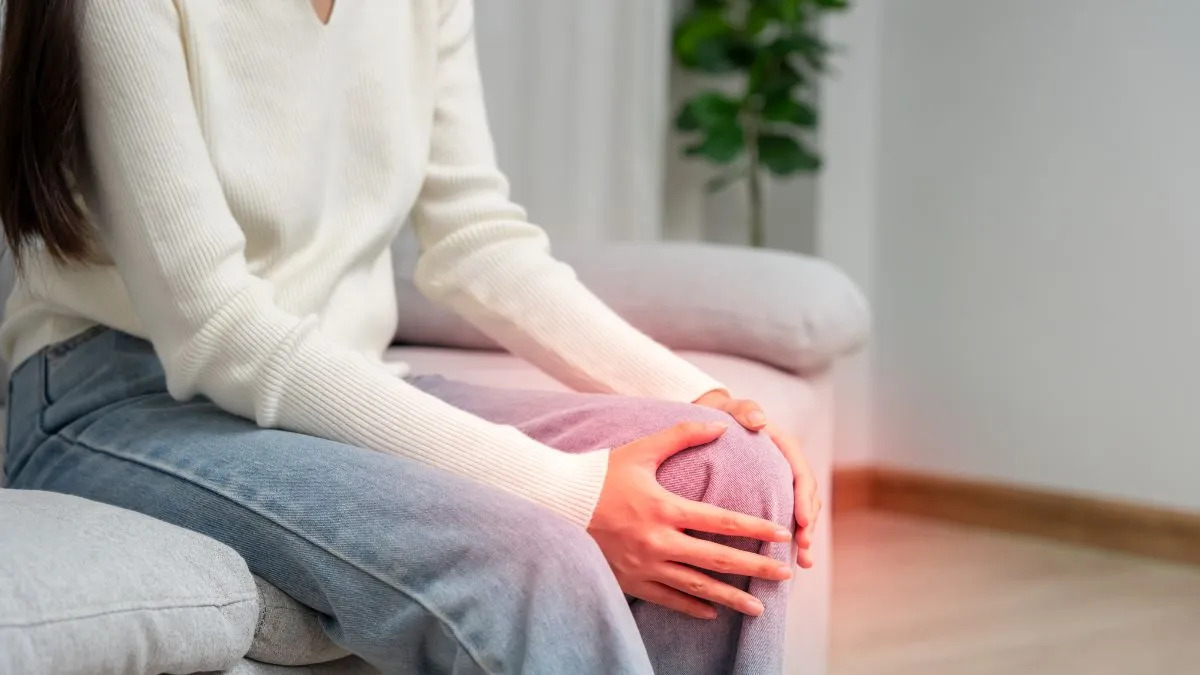
Joint pain is no longer limited to old age. Increasingly, people in their 30s and 40s are reporting knee pain, back stiffness, neck discomfort and shoulder issues. In most cases, the problem is not a single injury but years of accumulated stress on joints due to poor posture, sedentary habits and incorrect movement patterns in daily life. While it may seem harmless, occasional stiffness or discomfort could just be a warning bell of some underlying issues, from stress in the cartilage to the beginning of osteoarthritis. The good news is that many joint problems are preventable with simple, consistent lifestyle changes.
Nowadays, doctors are stressing that pain in your joints in your 30s should never be dismissed as simply “normal ageing” because this is actually the best time to take action. By making simple changes to your lifestyle, you are able to calm your joints, energize your cartilages and rejuvenate your muscles to safeguard your joints. In conversation with The Daily Jagran, Dr Rakesh Rajput, Director & HOD – Orthopaedics, CK Birla Hospitals, CMRI shares lifestyle changes to make to minimise joint pain.
Understand Why Joints Get Stressed
Joints are designed to move, but they are also sensitive to overload and imbalance. Dr Rakesh Rajput states, “Prolonged sitting, slouching, repetitive movements, lack of muscle strength and excess body weight gradually increase pressure on joints.” Over time, this leads to cartilage wear, inflammation and pain. Prevention begins with recognising that how we sit, stand, walk and exercise matters as much as how long we do it.
Recommended For You
ALSO READ: Why Your Joint Pain Gets Worse In Winter; Doctor Explains What Your Body Is Trying To Tell
Exercise Smart, Not Hard
Regular physical activity is essential for joint health, but high-impact or incorrect exercises can do more harm than good. Low-impact exercises such as walking, cycling, swimming and yoga help maintain joint mobility without excessive strain. Dr Rakesh Rajput states, “Strengthening the muscles around joints, especially the quadriceps for knees, core muscles for the spine and shoulder stabilisers, reduces joint load and improves balance.”
Warm-up before exercise and stretch afterward to maintain flexibility. Sudden, intense workouts after long periods of inactivity are a common cause of joint injuries. Consistency is far more beneficial than intensity.
Correct Your Posture, It’s a Daily Therapy
Poor posture is one of the biggest contributors to joint stress, particularly in the spine, neck and shoulders. While sitting, keep your back straight, shoulders relaxed and feet flat on the floor. Screens should be at eye level to avoid bending the neck forward for prolonged periods. When standing, distribute weight evenly on both feet and avoid locking your knees.

Lifestyle Changes To Minimise Joint Pain In 30s (Image Credits: Canva)
Even small corrections, when practised daily, can significantly reduce long-term wear on joints and prevent chronic pain.
Ergonomics At Work And Home
Whether at an office desk or working from home, ergonomics plays a crucial role in joint protection. Dr Rakesh Rajput mentions, “Use a chair that supports the lower back, keep elbows close to the body while typing and take short movement breaks every 30–40 minutes.” Simple actions like stretching, standing briefly or walking can prevent stiffness and improve circulation.
At home, avoid bending from the waist while lifting objects. Instead, bend your knees and keep the object close to your body. For household chores, alternate tasks to prevent overuse of specific joints.
Weight Management And Footwear Matter
Excess body weight significantly increases stress on weight-bearing joints such as the knees and hips. Maintaining a healthy weight reduces the risk of osteoarthritis and joint degeneration. Equally important is wearing appropriate footwear. Shoes with proper cushioning and arch support protect joints during daily activities. High heels or worn-out footwear can alter posture and increase joint strain.
Listen To Pain Signals
Pain is not something to “push through.” Persistent joint pain, swelling, stiffness or reduced movement should not be ignored. Early medical evaluation can prevent minor issues from progressing into long-term joint damage.
ALSO READ: Why Daily Movement Is Safer For Your Joints Than Intense Weekend Sessions; Know From Doctor
A Preventive Mindset
Joint health depends on daily habits rather than occasional treatment. Small changes, better posture, regular movement, mindful exercise and ergonomic awareness can preserve joint function for years. Prevention is always easier, safer and more effective than treatment. Taking care of your joints today ensures mobility, independence and quality of life tomorrow.