
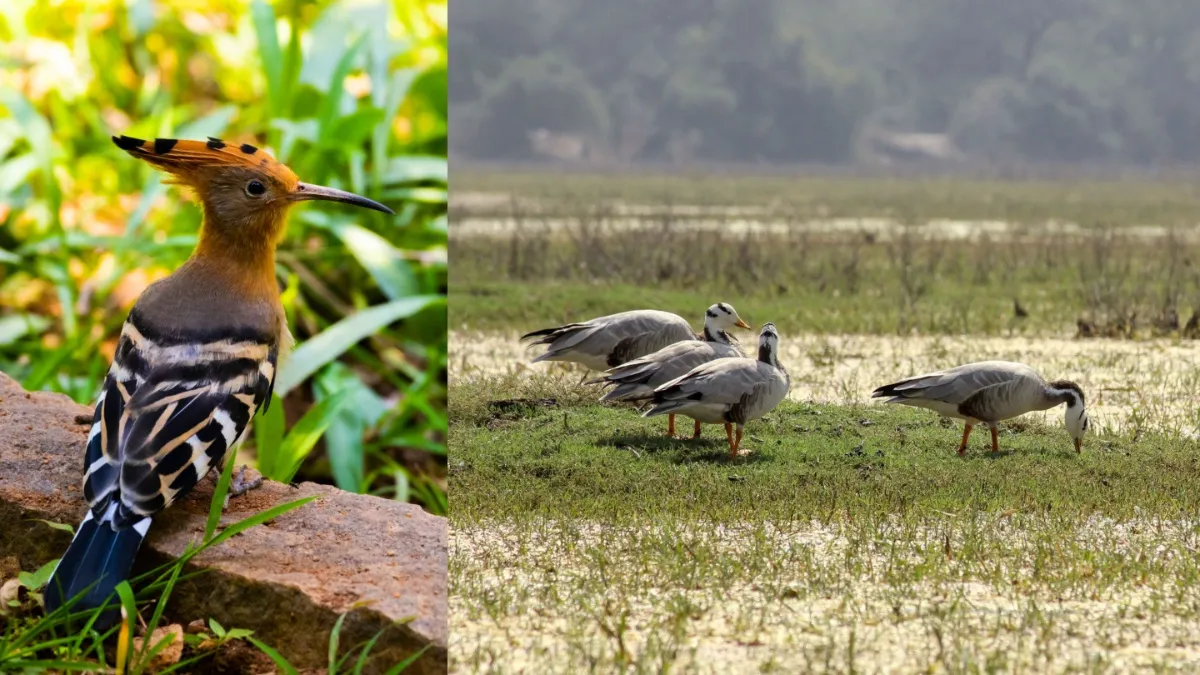
Winter is the best time to watch migratory birds in India for bird enthusiasts. So, take a look at this curated list of destinations like Bharatpur Bird Sanctuary, Little Rann Of Kutch, and more in India where you can find a variety of bird species such as Gadwall, Imperial Eagle, Peregrine Falcon, and a lot more to fulfill your love of exploration.
Visit India’s Top Winter Destinations To Watch Migratory Birds
If you want a detailed guide on where to go bird watching this winter in India; follow this list which covers the key bird species, their habitat types, travel logistics, and more for each travel destination.
1. Keoladeo National Park (Bharatpur Bird Sanctuary), Rajasthan
Best Time To Visit: December to February.
Where They Live: You can find birds here living in freshwater shallow marshes, flooded grasslands, scrub woodlands, and acacia trees.
Winter Bird Attraction: Bar-headed goose, greylag goose, northern pintail, gadwall, garganey, ferruginous duck, greater spotted eagle, imperial eagle, steppe eagle, marsh harrier, dalmatian pelican.
How To Bird-Watch: Walk on foot, use a cycle along the pathways, or use chauffeured rickshaws which are driven by trained locals who also double as expert bird spotters. Private vehicles are strictly banned in this sanctuary.
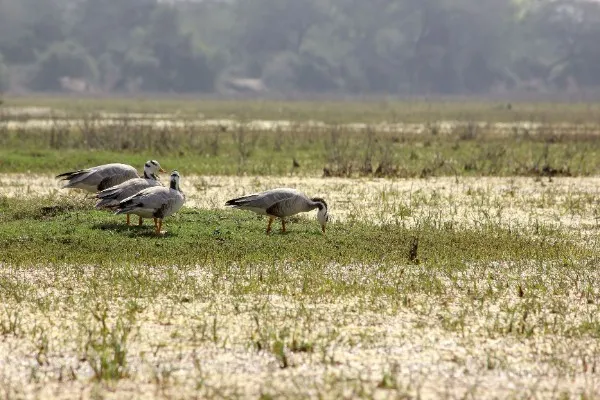
Enjoy a lot of varieties of beautiful birds (Image Credits: Pexels)
2. Little Rann of Kutch, Gujarat
Best Time To Visit: November through February.
Where They Live: You can find a variety of birds here on seasonal salt pans, wetlands, thorn scrubs, and desert marshes (bets).
Winter Bird Attraction: Greater and lesser flamingos, demoiselle cranes, common cranes, , macqueen's bustard, peregrine falcon, merlin, desert wheatear, isabelline wheatear, sociable lapwing are the varieties of birds that you can find in this region.
How To Bird-Watch: You can use open-top jeep safaris across the mud tracks and walk on foot along shallow water areas to come across different bird species.
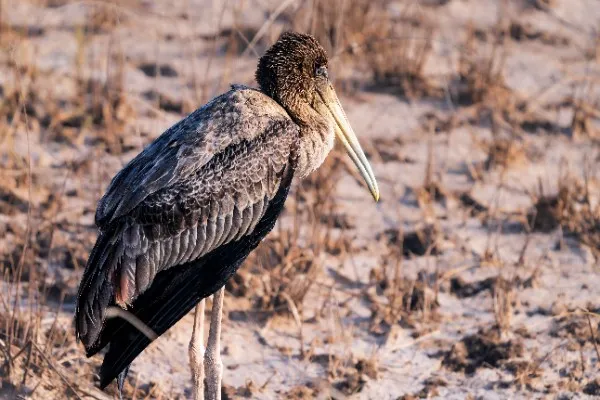
Enjoy a close view of birds (Image Credits: Pexels)
3. Sultanpur National Park, Haryana
Best Time To Visit: Late November through February.
Where They Live: You can come across birds here along a natural freshwater lake which is surrounded by seasonal wetlands, walking loops, and open plains where farming happens.
Winter Bird Attraction: You can find northern shoveler, Eurasian wigeon, common teal, spot-billed duck, greater flamingo, black-tailed godwit, rosy pelican, and yellow-bellied prinia.
How To Bird-Watch: Walk on foot along marked roads which are equipped with strategically positioned hiding places and there are also four watchtowers.
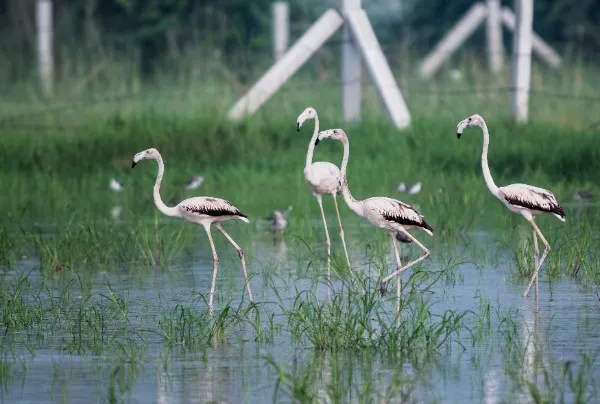
More birds than you can watch (Image Credits: Pexels)
4. Ranganathittu Bird Sanctuary, Karnataka
Best Time To Visit: December through March.
Where They Live: You can spot birds here on the riverside along the Cauvery River, which is surrounded by bamboo and riparian trees.
Winter Bird Attraction: Here are a variety of birds such as spot-billed pelican, P\painted stork, Asian openbill, Eurasian spoonbill, black-headed ibis, great thick-knee, river tern, and streak-throated swallow.
How To Bird-Watch: Go along guided paddle-boat rides and navigate around rocky islands; you can also walk on the paths there.
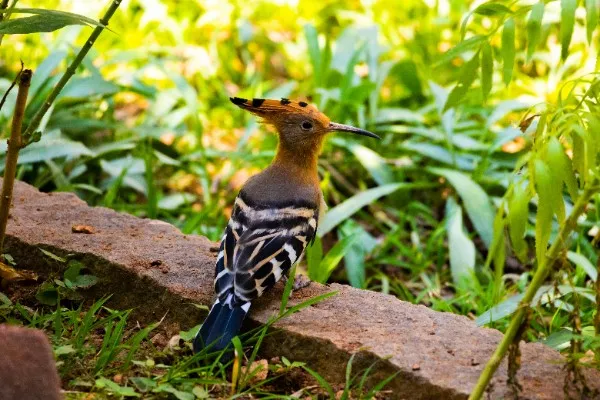
Pretty birds all around (Image Credits: Pexels)
5. Andaman Islands, India
Best Time To Visit: December through March.
Where They Live: Birds here usually live on the tropical evergreen rainforests, mangrove areas, coastal scrubs, and open marine waters.
Winter Bird Attraction: Pacific golden plover, grey-tailed tattler, beach thick-knee, alongside the Andaman wood pigeon, Andaman crake, Andaman treepie, and hume's boobook are a few bird attractions here.
How To Bird-Watch: Forest trails on foot, roadside bird watching, and boat rides through tidal mangrove creeks are a great way to encounter birds here.
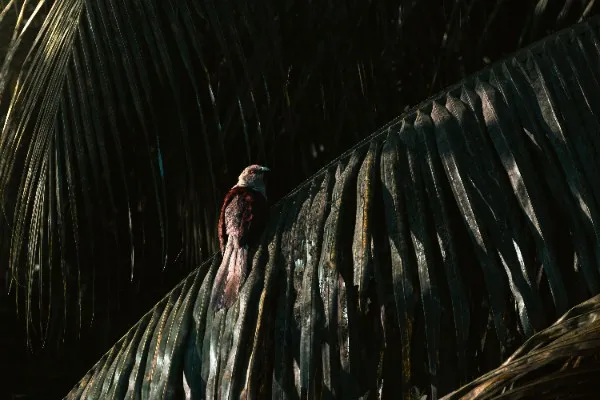
Enjoy expanse of bird varieties (Image Credits: Pexels)
ALSO READ: Escaping The Smog: 5 Getaway Destinations Where You Can Actually Breathe This Winter 2026
6. Darjeeling Hills, West Bengal
Best Time To Visit: November to January.
Where They Live: Birds here prefer subtropical forests, rhododendron filled areas, and tea estates across the whole area.
Winter Bird Attraction: Winter bird migrants coming from high Himalayas such as rufous-bellied niltava, blue-fronted redstart, fire-tailed sunbird, spotted laughingthrush, black-throated parrotbill, and bar-throated minla.
How To Bird-Watch: Take a walk on slow-paced hills along forest trails (such as Senchal Wildlife Sanctuary and fringe areas of Singalila) and drive on quiet mountain roads.
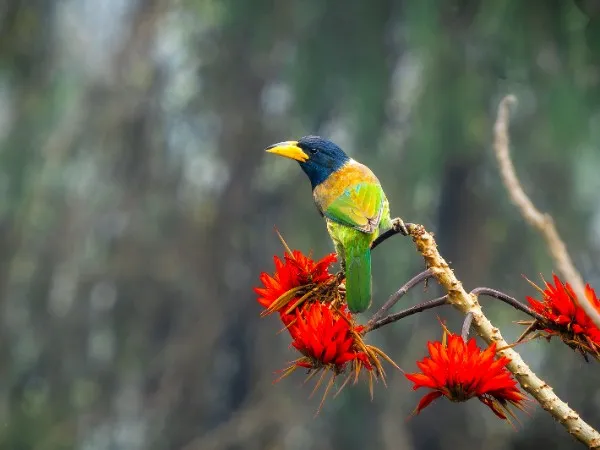
Enjoy beauty of birds in Darjeeling (Image Credits: Pexels)
Destination | Best Time | Top Sightings | How to Tour |
Keoladeo (Bharatpur) | Dec–Feb | Bar-headed Goose, Imperial Eagle, Pelicans | Rickshaw, cycle, walking |
Little Rann of Kutch | Nov–Feb | Flamingos, Demoiselle Cranes, Falcons | 4x4 open jeep safari |
Sultanpur | Nov–Feb | Shovelers, Wigeons, Flamingos | Walking paths, watchtowers |
Ranganathittu | Dec–Mar | Painted Storks, Pelicans, Spoonbills | Guided paddle boat |
Andaman Islands | Dec–Mar | Island endemics, Boobooks, Plovers | Forest trails, boat rides |
Darjeeling Hills | Nov–Jan | Niltavas, Redstarts, Laughingthrushes | Mountain walking trails |
ALSO READ: 5 Lesser Known Villages In India Covered By Clouds That You Need To Visit
FAQs
How does birdwatching in the Darjeeling Hills differ from lowland sanctuaries?
Recommended For You
In Darjeeling, you can find altitudinal migrant birds rather than birds that live on plains which grants you the opportunity to encounter rare species of birds that usually live on the Himalayas and migrate down during winter season.
Which is the single best destination among these for a beginner birdwatcher in India?
The best among these destinations would be Keoladeo National Park (Bharatpur), Rajasthan. It hosts a variety of bird species which are easily accessible as the park is situated on a plain region. They also offer experienced guides to help find birds.
What essential gear should I bring for a winter birding trip across these destinations ?
You should carry a pair of 8x42 or 10x42 binoculars with you. Wear camouflaging attire so you can blend in the environment well and also bring a field guide to help in finding birds.