

Your menstrual cycle isn’t just about the days you bleed; it’s a powerful biological rhythm that influences your mood, energy levels, cravings and even how your body processes food. Hormonal fluctuations throughout the month can leave you feeling on top of the world one week and sluggish or bloated the next. While many women simply push through these changes, few realise that the foods they eat can make a remarkable difference in how they feel. By tailoring your diet to each phase of your cycle, you can work with your hormones rather than against them, boosting energy, reducing discomfort and keeping your mood stable.
Understanding the link between your hormones and your plate can be a game-changer for menstrual health. Certain foods can replenish lost nutrients, ease cramps, combat fatigue and even reduce PMS symptoms, while others may unintentionally make things worse. In conversation with The Daily Jagran, Dr Sonu Taxak, Director and Senior IVF Consultant, Yellow Fertility, shares what to eat during the menstrual cycle to boost energy and balance hormones.
Menstrual Phase (Days 1-5)
This marks the beginning of your menstrual cycle. During this phase, levels of estrogen and progesterone dip, leaving you tired, sluggish, and crampy. The body is working hard to shed the uterine lining, and with blood loss comes a drop in iron levels, often leading to fatigue or weakness.
Foods that can help:
Food rich in iron, like lentils, spinach, and red meat (if you eat), can be an excellent option to replenish the lost iron.
To help ease cramps, you can consume anti-inflammatory foods like ginger, turmeric, and berries.
Staying hydrated is key, so drinking plenty of water or herbal teas, especially chamomile, can provide extra comfort.
For easier digestion, nothing can beat warm and comforting food like soups and stews.
ALSO READ: What To Eat On Your Period? The Best And The Worst Foods That Affect Menstruation
Follicular Phase (Days 6-14)
As your period ends, your energy increases due to the gradual rise in estrogen levels. This is the phase when your body starts preparing for ovulation by maturing a follicle (which houses the egg) in the ovaries. With hormones stabilising, you may feel lighter, more focused, and even more optimistic. But your body is still doing a lot of work. Rebuilding the uterine lining and supporting follicle development requires a steady supply of nutrients.
Foods that can help:
To sustain energy, opt for complex carbs like quinoa, lentils, sweet potatoes and oats.
Muscle repair and hormone production can be taken care of by lean proteins like chicken, tofu, and eggs.
Consume food with Omega-3, like walnuts, flaxseeds, and fatty fish, to support follicle development.
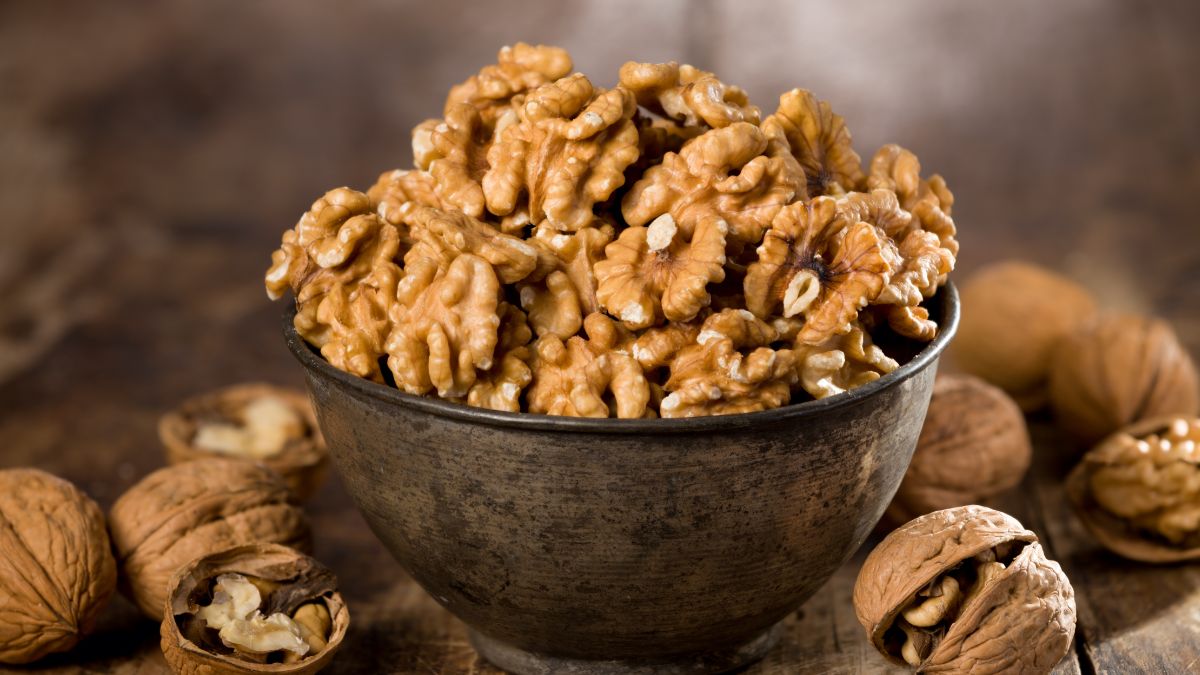
Foods To Eat During Period (Image Credits: Canva)
Ovulation Phase (Around Day 14)
Ovulation marks the midpoint of your menstrual cycle and lasts 24 to 36 hours. During this phase, estrogen peaks trigger ovulation. Most women feel their best during this phase: energy levels are high, mood is lifted, skin glows, and libido may increase. This is also the fertile window, making it an ideal time to nourish the body with foods that support reproductive health, egg quality, and hormonal balance.
Foods that can help:
Zinc and selenium-rich foods like pumpkin, sunflower seeds and eggs help with hormonal balance and egg quality.
Vitamin E in the form of almonds, sunflower seeds and avocados are great for reproductive health.
Luteal Phase (Days 15-28)
After ovulation, your body shifts into a calmer, more restorative mode as progesterone levels rise and estrogen peaks. This triggers premenstrual syndrome (PMS) symptoms such as bloating, mood swings, and cravings.
ALSO READ: Doctor Debunks Common Myths About Periods
Foods that can help:
Magnesium-rich foods like dark chocolate, spinach and bananas can help reduce cramps and lift mood.
Vitamin B6, which is found in chickpeas, salmon and bananas, can ease irritability and bloating.
To support digestion and reduce bloating, foods which have fibre, like whole grains and veggies, should be eaten.
Your menstrual cycle is a biological rhythm that offers valuable insights into your overall health and well-being. By understanding these changes, you can develop a supportive partnership with your body. Cycle-syncing nutrition isn't about perfection or rigid meal plans. It's about developing awareness of your body's changing needs and responding with compassion.