
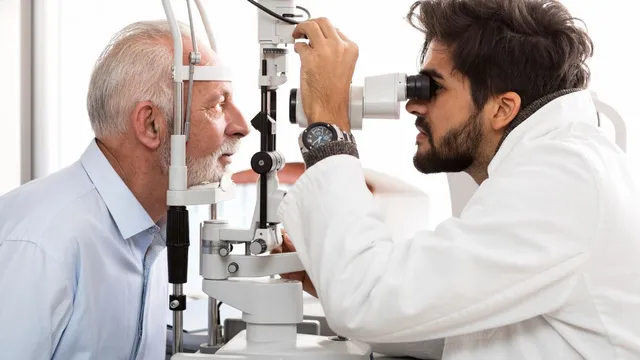
- By Bornika Das
- Mon, 01 Dec 2025 04:13 PM (IST)
- Source:JND
Eye screenings after 40 are crucial, yet often overlooked, health checks which protect your vision and overall well-being. This is the decade when natural ageing and lifestyle factors combine to raise the risk of serious eye conditions-many of which develop silently without obvious symptoms. Glaucoma, age-related macular degeneration, diabetic retinopathy, and other conditions can silently steal your sight if left undetected. Regular comprehensive eye exams allow for early detection and timely treatment that can prevent irreversible damage. The effects of ignoring these screenings may be the loss of irreplaceable vision that one may hardly notice until it's too late.
The importance of eye screenings after 40 goes beyond blurry vision or the need for stronger glasses. Several physicians note that eye diseases often show up very subtly, so regular screenings are a necessary precaution. Other than age-related diseases, there are instances when an eye checkup reveals health conditions associated with hypertension or diabetes. In conversation with The Daily Jagran, Dr. Neeraj Sanduja, MBBS, MS, Ophthalmologist, and Eye Surgeon, shares why it is important to do eye screening after 40.
Why Eye Screenings Matter After 40?
As people age, the risk of developing eye conditions like cataracts, glaucoma, and age-related macular degeneration (AMD) increases. Many of these conditions develop gradually and may not show symptoms in their early stages. Regular screenings allow eye care professionals to detect problems before they become severe or irreversible.
Recommended For You




ALSO READ: What Is The 10-10-10 Rule? A Simple Eye Care Routine For Mobile And Laptop Users
Dr. Neeraj Sanduja states, “For example, glaucoma is often called the “silent thief of sight” because it causes damage to the optic nerve without noticeable symptoms until vision loss occurs.” Similarly, AMD can progress unnoticed until central vision is affected. Early diagnosis through preventive screenings can slow or even prevent permanent damage.
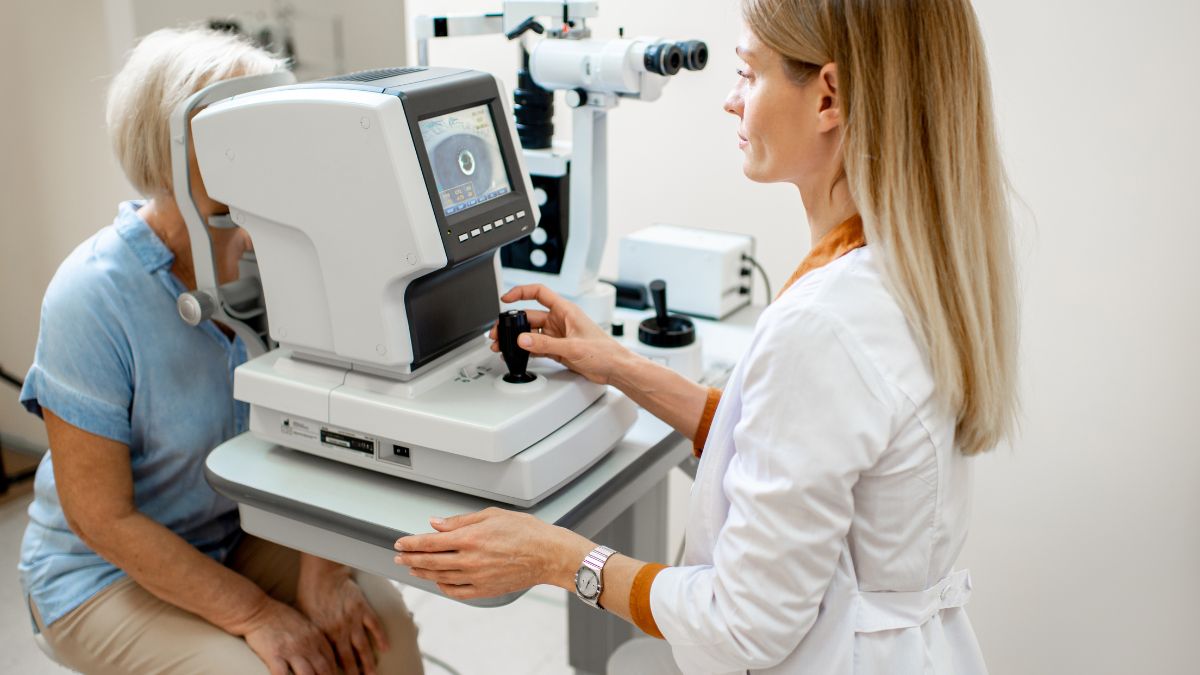
Importance Of Eye Screening After 40 (Image Credits: Canva)
Recommended Screening Frequency
Adults with no risk factors or symptoms should have a comprehensive eye exam:
At Age 40: This is considered a baseline screening to detect early signs of disease.
- Every 2 to 4 years for people aged 40 to 54.
- Every 1 to 3 years for people aged 55 to 64.
- Every 1 to 2 years for those aged 65 and above.
However, individuals with risk factors such as diabetes, high blood pressure, a family history of eye disease, or those who wear corrective lenses may need more frequent checkups. In such cases, annual or even semi-annual screenings may be advised.
ALSO READ: Delhi Air Pollution: Contact Lenses May Impair Eyesight, Here's What Doctors Say
What To Expect During A Screening
A comprehensive eye exam includes tests for visual acuity, eye pressure (to screen for glaucoma), retinal examination, and eye movement. These tests are generally non-invasive and take less than an hour.
For people over 40, preventive eye screenings are essential to protect vision and detect early signs of eye disease. While a baseline exam at 40 is important, follow-up exams every 1–4 years, depending on age and risk factors, can make a significant difference. Staying proactive with eye care not only preserves vision but also supports overall health and well-being.