
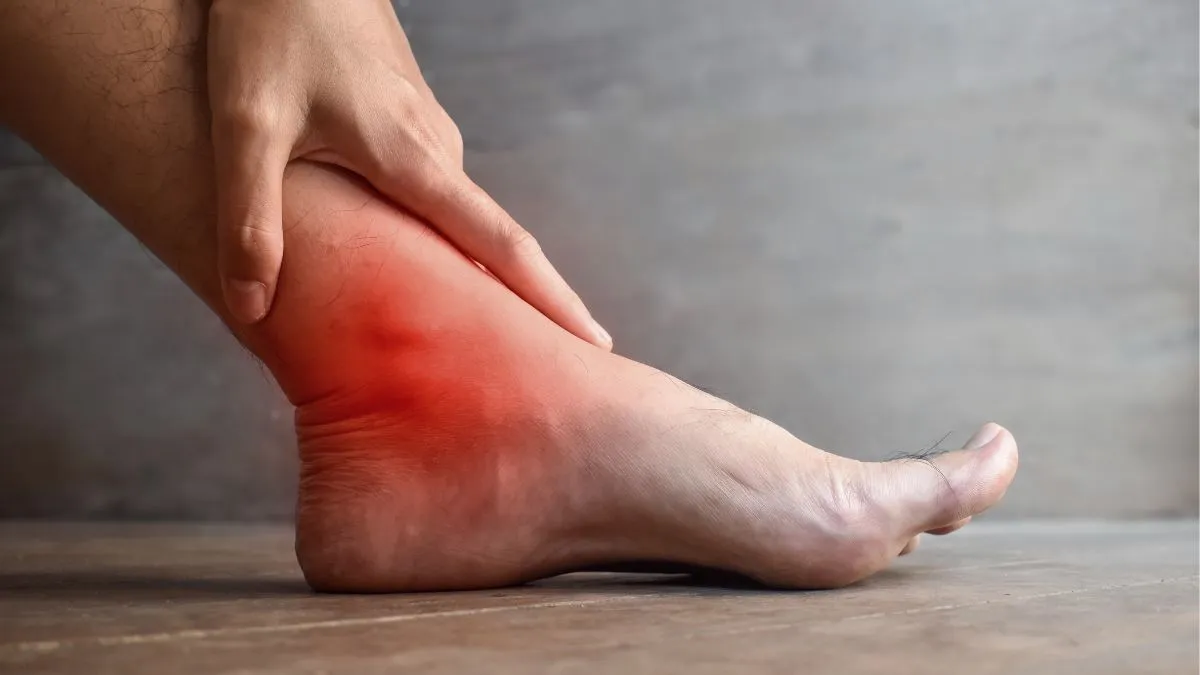
Ever experienced a morning where a ring that once slipped on effortlessly no longer fits or a reliable pair of shoes suddenly feels too uncomfortably tight around the feet. Such small changes might feel harmless at first and one might attribute them to water retention, hormonal fluctuations or a high-sodium meal the previous day. The underlying cause, however, can be unexpected. Joint inflammation is a common condition that often presents with subtle signs like swelling and stiffness in fingers, ankles or toes.
Data from the World Health Organization (WHO) states that approximately 4.22 million people in India suffer from rheumatoid arthritis. This makes it important to recognise early signs as timely diagnosis and treatment can significantly improve quality of life.
In a conversation with The Daily Jagran, Dr. Ashutosh Jha, Consultant - Orthopaedics, Manipal Hospital, Ghaziabad explained the warning signs of joint inflammation.
What Is Joint Inflammation?
Arthritis, also known as joint inflammation is a condition that occurs when one or more joints are swollen, warm, tender and stiff. It is important to note that this may not necessarily be due to ageing or excess use of a joint. It can happen suddenly and affect individuals of any age. Tobacco use, family history or a sedentary lifestyle make individuals more prone to being affected by arthritis. The swelling can also be mild but if it affects small joints- like your fingers, toes and ankles, you may first recognise the symptoms through everyday occurrences such as jewellery becoming tight and shoes feeling tight.
What Are The Signs To Look Out For?
Joint Pain- This is usually the symptom that is most obvious, with the discomfort ranging from mild/achy, to a sharp, stabbing feeling. It may increase with movement or use. It may also feel worse after being still for a period of time and may affect your ability to perform everyday tasks.
Recommended For You
Stiffness Or Limited Range Of Motion- Inflamed joints will often feel stiff, especially after waking up from sleep or after spending time in rest. Stiffness can limit joint bending or rotation. Movements may be slow and difficult.
Swelling (Inflammation)- Joints may feel or appear swollen because of the collection of inflammatory cells or accumulation of fluid at the joint. This swelling may result in pressure and may 'come and go' as waves throughout the day.
ALSO READ: Which Morning Drinks Help Reduce Skin Inflammation And Enhance Radiance?
Skin Redness- The skin surrounding an affected joint may become reddened or purplish. This occurs due to increased blood flow under the surface of the skin. In prolonged situations the skin may appear shiny or stretched.
Tenderness Or Sensitivity- The affected area may feel painful or uncomfortable upon even light touch or pressure. This indicates damage and inflammation. Tenderness often makes the most routine actions such as getting dressed or walking painful.
Heat Or Warmth Near Joints- Inflamed joints may be warm to the touch because of increased blood flow in the area.