
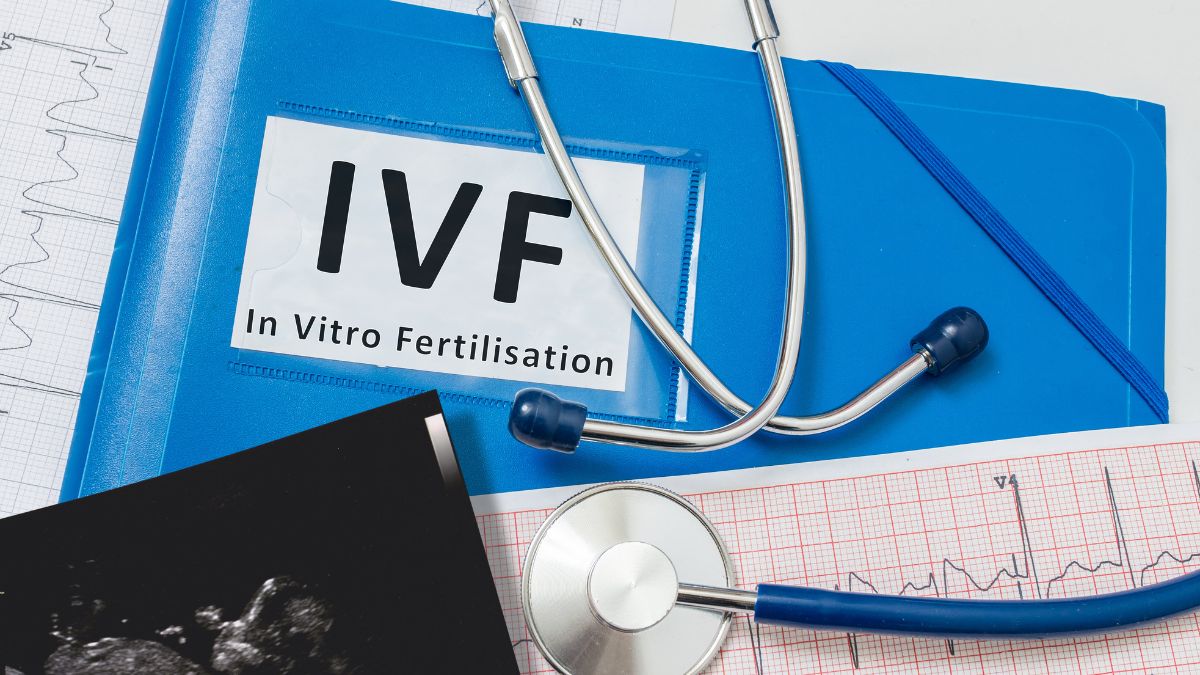
World Embryologist Day 2023: Also known as World IVF Day, World Embryologist Day is observed every year on July 25 to spread awareness about embryologists and in-vitro fertilisation (IVF). Embryologists are medical professionals who study and examine sperm, eggs and embryos.
What Is IVF?
According to the Mayo Clinic, in vitro fertilisation (IVF) is a complex series of procedures used to help with fertility or prevent genetic problems and assist with the conception of a child. During IVF, mature eggs are collected (retrieved) from ovaries and fertilised by sperm in a lab. Then the fertilised egg (embryo) or eggs (embryos) are transferred to the uterus. One full cycle of IVF takes about three weeks. Sometimes these steps are split into different parts and the process can take longer.
World Embryologist Day 2023: History
The history of World Embryologist Day dates back to the year 1978. On July 25 1978, Louis Joy Brown, the first lady was born after the In-vitro fertilisation. To mark this success, Louis Joy Brown’s birthday was designated as World IVF or World Embryologists Day and is observed every year with great enthusiasm.
Recommended For You
World Embryologist Day 2023: Significance
Three pioneers of IVF, Adam Burnley, Patrick Steptoe and Bob Edwards are honoured on this day for their contributions to medical science. World IVF Day is an important occasion that aims to spread awareness of in-vitro fertilisation and the role it plays in making lives happier. This occasion is celebrated every year to develop this stream.
In-Vitro Fertilisation
IVF is the most effective form of assisted reproductive technology. The procedure can be done using a couple's own eggs and sperm, states Mayo Clinic. It is a treatment for infertility or genetic problems. If IVF is performed to treat infertility, you and your partner might be able to try less-invasive treatment options before attempting IVF, including fertility drugs to increase the production of eggs or intrauterine insemination, a procedure in which sperm are placed directly in the uterus near the time of ovulation.
(Disclaimer: This article is for informational purposes only. It is not a substitute for professional advice, diagnosis or treatment.)