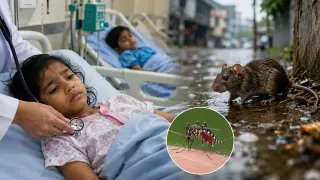
Leptospirosis has been spreading rapidly in Jharkhand’s Ranchi, as 28 children tested positive over the past 25 days. Children aged 2 to 12 are the most affected, with numerous cases diagnosed as rat fever. Pediatricians asserted that if not identified and treated on time, this infection can spread to the kidneys, liver, lungs, and even the brain.
Dr Rajesh, a pediatrician at Rani Hospital, claimed that this infection spreads rapidly during the rainy season due to contaminated water and dirt. Parents should keep children away from areas with water and contaminated water. Leptospirosis, also known as rat fever, is a bacterial infection spread through the urine of infected animals, including rats, and spreads rapidly during the rainy season.
ALSO READ: What Is Leptospirosis? Doctor Shares Causes, Treatment And Prevention Of Hidden Monsoon Danger
Doctor Specifies Symptoms Of Disease
Medical professionals described symptoms of Leptospirosis. These include high fever and chills.
severe headache and body pain, Unbearable pain in the calves and muscles, redness of the eyes, vomiting, and diarrhea. Loss of appetite, yellowing of the skin or eyes, decreased urination, and difficulty in breathing.
According to Dr. Chaudhary, antibiotics can control the disease during the initial stages. Severe patients are hospitalised and given oxygen, intravenous medication, fluids, and, if necessary, treatment in the ICU. Doctors say that immediate medical advice is essential rather than self-medication.
What Does It Spread?
Leptospirosis is typically caused by bacteria called Leptospira, which spread through the urine of rats, dogs, pigs, cattle, and other animals. When this urine mixes with rainwater, mud, or in waterlogged areas, children can be exposed to the bacteria and become infected.
This bacteria enters the body through open wounds, cuts, and the mucous membranes of the eyes, nose, or mouth. Children are at greater risk, according to doctors. Children often play in water during rainstorms, walk barefoot, or come into contact with contaminated water.
The disease can have serious effects in children with weakened immune systems. Sometimes, the initial symptoms mimic dengue, viral fever, or typhoid, which can lead to delayed diagnosis. Therefore, it is important to prescribe medication to children only after a doctor's consultation and examination and not to self-medicate.
Delayed treatment and severe infection can lead to liver failure, kidney damage, bleeding from the lungs, brain infection (meningitis), and multi-organ failure.
What Are The Precautionary Measures?
Doctors suggested a few precautionary measures to stop the spread of Leptospirosis. They said that children should avoid playing near waterlogged areas. Avoid sleepers and wear shoes while heading out of the house. Cover open wounds to prevent infection. Drink boiled water to immune the body against the disease. Visit a doctor immediately if one experiences any symptoms.