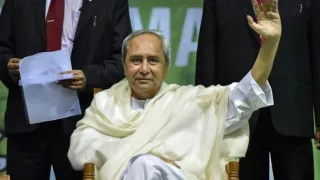
Delimitation Row: Amid the ongoing row over the delimitation bill, both the NDA and the INDIA Bloc have approached Naveen Patnaik's Biju Janata Dal (BJD) seeking the party's support. While the NDA has already received support from the DMK, BRS, and NCP (SP), the ruling alliance has reached out to Patnaik to boost its chances in the Rajya Sabha. Patnaik's party has no representation in the Lok Sabha and has five MPs in the upper house.
NDA, INDIA Bloc Reach Out To BJD
Earlier, Congress President Mallikarjun Kharge and senior leader Jairam Ramesh reached out to BJD Rajya Sabha MP Manas Mangaraj, reported News18, citing people familiar with the matter. The Congress leaders reportedly asked him to participate in the INDIA Bloc's strategic meetings and vote against the bill. However, the reports also suggest that Parliamentary Affairs Minister Kiren Rijiju also contacted Mangaraj and urged him to support the bill.
While the Odisha-based party has not announced its decision, the leaders stated that the final call will be taken by Naveen Patnaik after reviewing the details. The BJD leaders stated that the party will take the final decision upon examining whether the revised bill fulfills the rights of Odisha.
Rajya Sabha Numbers Explained
The ruling alliance has 141 of the total 245 members in the Rajya Sabha, around 20 less than the required number of 163. With parties, including YSRCP and BRS, confirming their support for the bill, Patnaik's positive response will further boost the chances of NDA.
Earlier, the other opposition parties, including MK Stalin's DMK and Sharad Pawar's NCP (SP), also extended their support to the bill. However, Congress has maintained that it will oppose the bill, calling it anti-constitutional. With the support from the southern parties, the NDA has inched closer towards the two-third majority required to pass the controversial bill.
ALSO READ: Delimitation Push Fuels Gerrymandering Fears: What It Means And Why Opposition Is Tense