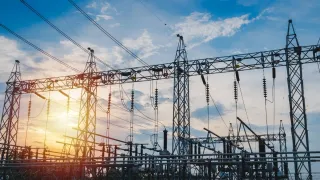
Prolonged power cuts have begun troubling residents across Kashmir even before the onset of heavy snowfall, with the Valley recording a daily electricity deficit of nearly 4,400 megawatt-hours (MWh) as winter demand rises. Electricity consumption over a 24-hour period has reached 34,400 MWh, while available supply fluctuates between 29,000 and 31,000 MWh, according to a power department official.
The shortfall has worsened following the recent drop in temperatures, with maximum non-solar power demand now up 50MW to 1,700MW. Electricity customers have complained about the regular power outages, explaining that it makes life difficult during winter.
Kashmir Records Daily Power Deficit Of 4,400 MWh
A power department official, speaking to Kashmir News Observer (KNO) on condition of anonymity, said the Valley's actual electricity requirement over 24 hours stands at approximately 34,400 MWh, against an availability of 29,000 to 31,000 MWh.
The official, as cited by Jagran.com, said average power availability stands at around 1,280 MW against a requirement of 1,435 MW, resulting in an average shortfall of nearly 150 MW.
He added that following the recent snowfall and drop in temperatures, peak non-solar power demand increased from 1,650 MW to 1,700 MW.
Residents Complain Of Power Cuts Before Heavy Snowfall
Residents have expressed frustration over the frequent electricity disruptions, alleging that successive governments have failed to find a lasting solution to the recurring power crisis.
"It's only November. We haven't even seen heavy snowfall yet, but massive power cuts have already begun," consumer Bashir Ahmed Mala said.
He added, "We can tolerate power cuts in the summer, but in the winter, power cuts are a real disaster for us."
ALSO READ: Jammu And Kashmir: Security Forces Intensify Manhunt For Terrorists Who Attack CRPF Jawans In Kulgam
Another consumer, Adil Ahmed Sheikh, said residents feared spending much of the coming months without a regular electricity supply.
"The game of hide and seek with electricity has begun. Now we will have to spend most of the day and night in darkness until March-April next year," he said.
Sheikh also questioned the electricity bills consumers would have to pay despite inadequate supply, saying they would receive electricity only once or twice in 24 hours over the coming months.