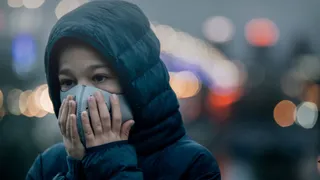
The alarmist condition of Delhi's air has struck once again, as the city's skyline is fast turning into a thick, toxic haze. With pollutants like PM2.5, nitrogen oxides, and ground-level ozone reaching hazardous levels, the resultant health impact on its residents is turning increasingly critical. Experts and doctors warn that the crisis poses a far greater threat to vulnerable sections like young children and the aged. Prolonged exposure to polluted air causes damage to the respiratory system, triggers chronic conditions, and weakens the immune response. As health facilities struggle to manage the rising influx of patients, preventive awareness has become crucial for survival.
Children are particularly vulnerable, as their lungs and immune systems are still developing, making them more susceptible to airborne toxins. On the other side of the age spectrum, senior citizens, particularly those with chronic conditions such as asthma or heart disease, may experience exacerbated symptoms and decreased oxygen intake. In conversation with The Daily Jagran, Dr. Leelamohan PVR, Consultant Physician, Padithem Health Care, Bangalore, Consults at Practo, shares how Delhi’s poor air quality is harming children and seniors more.
Children: The Early Victims
Children breathe faster and take in more air relative to their body weight, which means a higher dose of pollutants with every breath. Their developing lungs and immune systems are particularly sensitive to particulate matter. Dr. Leelamohan PVR shares, “Prolonged exposure is linked to chronic cough, recurrent bronchitis, asthma exacerbations, and even reduced lung growth.” Studies show that kids growing up in highly polluted urban areas may develop lung capacities 20-30 per cent lower than their peers in cleaner environments.
ALSO READ: Delhi-NCR Breathes 'Severe' Air: AQI Breaches 500; GRAP-3 Fails To Control Smog
Seniors: The Silent Sufferers
In older adults, pre-existing conditions such as hypertension, diabetes, and chronic obstructive pulmonary disease (COPD) magnify the damage. Dr. Leelamohan PVR states, “Pollutants trigger systemic inflammation, elevate blood pressure, increase clotting tendencies, and can precipitate heart attacks or strokes.” For many seniors, even brief exposure to high-smog days can lead to hospital admissions for respiratory distress or cardiac decompensation.
Delhi's Poor Air Quality Affecting Children And Seniors (Image Credits: Canva)
Immunocompromised Individuals: The Hidden Crisis
Patients recovering from cancer, organ transplants, autoimmune diseases, or long-term steroid therapy are especially vulnerable. Dr. Leelamohan PVR says, “Polluted air carries allergens, bacteria, and fungal spores that their weakened systems struggle to combat. Respiratory infections become more frequent and severe, often prolonging recovery.”
ALSO READ: Delhi’s Smog Alert: 7 Best Detox Teas And Drinks To Cleanse Lungs Naturally
Protecting these vulnerable groups demands collective action. On an individual level, staying indoors during peak pollution hours, using N95 masks, maintaining indoor air purifiers, and ensuring good hydration help. On a policy level, urgent efforts to curb emissions, expand green zones, and strengthen public-health alerts are critical. Clean air is not a privilege—it is the foundation of good health, especially for those who cannot fight the air they breathe.