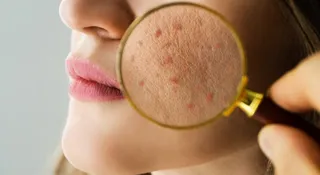
Pimple Location Face Meaning: If you keep getting pimples at one specific spot on your face more often than ever, then that might not be an accident. Not very precise or scientifically proven, yet traditional face mapping is making a buzz on the Internet. Chances are you might have also come across such content on the internet that suggests that pimple spots contain valuable information about what causes acne in those certain spots.
What Does Pimple Location On Your Face Mean?
To know the truth behind these pimple locations, The Daily Jagran turned to Dr Vaishali Kamat, BHMS, Head of Aesthetics, Dr Batra's(r) Healthcare. She answered major questions about pimples and acne spots and whether they really signify a bigger picture about your overall health:
What Is Face Mapping?
According to Dr Vaishali, “Face mapping is a concept that suggests the location of acne breakouts with the help of AI Skin technology. It offers clues about possible triggers such as hormonal fluctuations, excess oil production or external irritants. It detects skin problems deep within the skin before they manifest themselves on the surface.” She added, “ It is a futuristic method of treating skin problems. Acne is a complex skin disorder influenced by multiple factors, and identifying the root cause requires a comprehensive clinical assessment.”
2. What Are 7 Pimple Locations On Your Face And What They Mean?
The location of pimples can sometimes indicate different contributing factors. Observing these patterns can help improve skincare habits, but persistent acne should always be assessed by a qualified doctor. Here are seven pimple locations on your face and what they mean, according to Dr Kamat:
- - Forehead breakouts are often linked to excess oil and sweat.
- - Nose acne is commonly associated with clogged pores.
- - Cheek pimples may result from friction and pollution.
- - Chin and jawline acne are frequently influenced by hormonal changes.
- - Temple breakouts can be triggered by harmful products or sweat.
- - Pimples around the mouth are often caused by irritation from cosmetics, shaving or skincare products.
3. Forehead Pimples: What Do They Mean?
“Forehead pimples are commonly caused by excess oil production, sweat, dandruff falling and residue from harmful hair care products that block the pores. Wearing helmets, caps or headbands for extended periods may also trap sweat and bacteria, increasing the risk of breakouts. Regular cleansing, maintaining scalp hygiene and using homoeopathy-based products can help reduce forehead acne.”
Forehead Pimple Location Meaning (Image Credit: Canva)
4. Nose Pimples: Why Do They Appear?
“The nose contains a higher concentration of oil glands than most other parts of the face, making it more prone to clogged pores and acne. Excess sebum, dead skin cells and bacteria are common contributors to nose pimples. Frequently touching the nose with unclean hands may further aggravate inflammation. Gentle cleansing and avoiding harsh scrubbing can help keep pores clear.”
Nose Pimple Location Meaning (Image Credit: Canva)
5. Cheek Pimples: What Causes Them?
“Cheek pimples are often linked to external factors such as pollution, makeup residue, dirty pillowcases, mobile phone screens and frequent touching of the face. These factors can transfer oil, bacteria and dirt onto the skin, increasing the likelihood of clogged pores and inflammation. Maintaining good hygiene and following a consistent skincare routine can help minimise breakouts.”
Cheek Pimple Location Meaning (Image Credit: Canva)
6. Chin Pimples: Are They Linked to Hormonal Changes?
“Chin acne is commonly associated with hormonal fluctuations, particularly in women during menstruation, pregnancy, menopause or conditions such as polycystic ovary syndrome (PCOS). Hormonal changes fuel the sebaceous glands to produce more oil, increasing the risk of clogged pores and inflammatory acne. Persistent or recurring chin acne may require medical evaluation to identify any underlying hormonal imbalance.”
Chin Pimple Location Meaning (Image Credit: Canva)
7. Jawline Pimples: Why Are They So Common?
“Jawline acne is one of the most common forms of adult acne and is frequently linked to hormonal changes that increase oil production. Stress may also worsen breakouts by influencing hormone levels. Recurring acne along the jawline, especially when accompanied by other hormonal symptoms, should be evaluated by a dermatologist for appropriate treatment.”
Jawline Pimple Location Meaning (Image Credit: Canva)
8. Temple Pimples: What Might Trigger Them?
“Temple pimples often develop due to sweat, excess oil, friction from helmets or headbands and the use of heavy hair care products that clog pores near the hairline. Keeping the scalp clean, avoiding oily hair products and cleansing the skin after sweating can help reduce temple breakouts.”
Temple Pimple Location Meaning (Image Credit: Canva)
9. Around the Mouth Pimples: What Causes Them?
“Pimples around the mouth are commonly triggered by irritation from lip balms, cosmetics, toothpaste ingredients, shaving or prolonged use of face masks. In some individuals, repeated contact with oily or greasy foods may also contribute to irritation around the lips. Choosing non-comedogenic products, maintaining good facial hygiene and avoiding frequent touching of the area can help prevent breakouts. If acne persists or becomes painful, professional medical advice should be sought.”
ALSO READ: Bridal Skincare Tips: Avoid These Common Beauty Mistakes Before Your Big Day
Pimple Location On Face: My Takeaway:
Lastly, even though face mapping is far from being the most precise technique when it comes to determining the causes of acne, it does provide some useful information about possible sources of your problem, like hormones, poor hygiene, or maybe a poor diet.
ALSO READ: Which Ingredients Should You Avoid In Monsoon Skincare?
Also, usually acne emerges because of more than just one reason, which means you should combine your observations with regular skincare procedures and a healthy lifestyle. It is also important to note that persistent acne or pimple problems call for a consultation with a dermatologist.