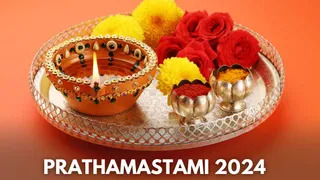
Prathamastami 2024: In Odisha, India, there's a special ceremony called Prathamastami, which is a prayer for the eldest child's good health, happiness, and prosperity. When the child turns one, they're dressed in new clothes and welcomed with a lit lamp by their senior female relatives. This is followed by elaborate rituals, where sacred mantras are recited to invoke the gods' blessings. Prathamastami takes place on the eighth day of the moon's waning phase, known as Ashtami, in the month of Margashira, according to the Odia calendar. This special day falls exactly eight days after Kartik Purnima, making it a significant event in Odia culture. This year, Prathamastami is being observed on 23rd November 2024.
Prathamastami 2024: Date And Time
- Prathamastami 2024 Date: 23rd November 2024
- Ashtami Tithi Begins: 06:08 PM, 22nd November 2024
- Ashtami Tithi Ends: 07:57 PM, 23rd November 2024
Prathamastami 2024: Shubh Muhurat
- Abhijit Muhurat: 11:46 AM to 12:29 PM
- Amrit Kaal: 04:49 PM to 06:35 PM
- Vijaya Muhurat: 01:53 PM to 02:36 PM
Mothers perform aarti of their eldest child on the occasion of Prathamastami. (Image Source: Canva)
Prathamastami 2024: Significance
Prathamastami is a special Odia festival that focuses on the eldest child, praying for their good health and prosperity. The firstborn is considered very important, as they are expected to carry on family traditions, support their parents, and keep the family legacy alive.
On this special day, families come together to pray to Goddess Shashthi Devi, who is the god of children and longevity. The eldest child is given new clothes, and delicious food is prepared, including a sweet dish called Enduri Pitha. This dish is a main part of the celebrations and is eagerly looked forward to. Overall, Prathamastami is a heartwarming festival that celebrates the importance of family and the role of the eldest child.
Prathamastami 2024: Rituals
On Prathamastami, mothers perform a special aarti for their eldest child, praying to the gods to protect them from harm and negativity. The aarti is a way of seeking divine protection and blessings for the child's well-being. Along with Goddess Shashti Devi, Lord Ganesh is also worshipped on this day, seeking his wisdom and guidance for the child.
The eldest child, known as the 'Jyeshtha Santan', receives a lot of love and attention from their family. They are given gifts and a sacred yellow thread, known as 'Haldi Kathi', is tied around their wrist. This thread is believed to offer divine protection and safeguard the child against all evils. It's a special way of showing love and care for the eldest child.
(Disclaimer: This is based on general public information. Jagran English does not confirm its veracity. Before adopting any measures, consult an expert in the relevant field.)