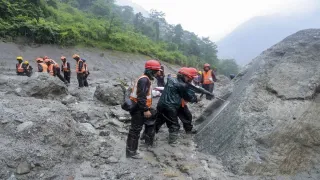
Nepal Flash Floods: Amid growing concerns for stranded and missing people, questions are being raised over Nepal's disaster management policy. Even after almost a week of devastating flash floods, around 4,000 people were still missing in the neighbouring country. From political and diplomatic intellectuals to those trapped in affected areas and government employees, everyone says that in this time of crisis, the priority should be saving lives, not politics or diplomacy.
Nepal's Jittery In Taking Decisions
The day after the disaster struck on August 26, the Nepal government refused to accept assistance from foreign search and rescue teams, stating that its own security forces were sufficient. Realising the severity of the disaster and the loss of lives, the government took a U-turn and accepted expert foreign assistance on August 28. Despite initial offers of rescue assistance from neighbouring countries, including India, Nepal's refusal sparked debate over the government's decision.
Employees Of Power Project Question Govt's Approach
According to Nepali media, employees of the Rasuwa Hydro Project have raised questions in letters sent under pseudonyms as to why foreign rescue workers are not getting timely permission and coordination. They said the rescue operation starts at a place only after a similar operation is completed at another place, whereas parallel operations should be carried out in all affected areas.
'Government Is Not Helping In Clearing The Debris From Homes'
Chok Bahadur Dahal of Dhading, who lost his home and shop in the disaster, said the government is not providing any assistance in removing debris from homes. "The extent of the damage will require significant technical equipment and resources. These resources need to be increased for relief and rescue operations in the affected areas," he added.
"In my opinion, in such a critical situation, the government should not make decisions based on speculation. Even a short delay could have a significant impact on the lives of flood-affected people," said Professor Dr Prem Sharma, a political analyst and former department head at Tribhuvan University, Kathmandu.
There appears to be some confusion and lack of coordination between the three levels of government, he said, adding that there should have been a clear delineation of which bodies were responsible for what, especially when foreign rescue teams, modern technology, equipment, and expertise could be available.
Saving civilian lives while maintaining national pride should be the top priority, Sharma asserted. From an international relations perspective, effectively utilising humanitarian aid in times of disaster, based on national interest and transparency, is a positive step, he explained.
'Every Available Resource Should Be Used In Times Of Crisis'
Nuwakot-based academic Ramprasad Rimal said while self-reliance and national pride are important, saving lives should be the primary focus of decision-making during a disaster. "Every available resource should be utilised during a crisis, and there should be no hesitation in accepting help when it is offered. Yes, those offering assistance should be seen as a supportive neighbour, not an elder brother, he added.
Retired teacher Navraj Sap Kota also believed that speedy relief and rescue operations were paramount during a disaster. He asserted that civilian safety should be prioritised over political or diplomatic considerations. If local resources are insufficient at a location, external assistance and additional resources should be used to expedite the rescue operation, Rimal added.
You May Also Like To Watch