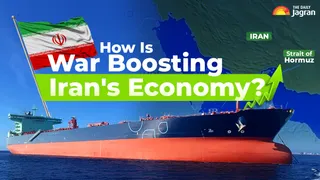
Iran Fuel Trade: The US-Israel war with Iran entered its 19th day, with no sign of an end to the armed conflict, which adversely affected the entire world, particularly Asian nations. The Strait of Hormuz, a critical global energy chokepoint, with approximately 20 million barrels (20% to 25% of total global oil trade), remained the biggest concern. Iran bounced back with strong retaliation to the US-Israel aggression, holding control over the Strait of Hormuz. The strategic advantage in the key global passage near the Indian Ocean makes the Iranian oil trade formidable despite air strikes in the region.
ALSO READ: India Denies Talks On Joining Coalition To Reopen Strait Of Hormuz; MEA Issues Clarification
The Wall Street Journal, citing data from tanker-tracking firm, Kpler, reported that the Strait of Hormuz emerged as a financial lifeline for war-torn Iran. The report claimed that Iran was exporting more oil through the Strait of Hormuz than before the war. The Iranian control of a strategic waterway emerged as a game-changer for Tehran. This provides Iran with a double advantage. First, Iran can stop US allies' vessels in the Persian Gulf, and second, Tehran continues to export its oil to support its collapsing economy.
Here Are Five Factors That Highlight How Iran Manages To Get Profit From Oil Trade Despite Engaging In War:
1. Rise In Oil Prices: Since the war began on February 28, the global oil prices have seen an upward trend. The Brent crude reached approximately USD 101 per barrel, nearly 50 per cent higher than the pre-war rate. Iran's export volumes have declined, but high prices have helped it earn more revenue. Reports suggested that Tehran is operating normal fuel exports despite the ongoing conflict.
2. The Strait of Hormuz Control: Iran holds control of the Strait of Hormuz, making passage of oil ships of other exporters difficult, which indirectly helps increase demand for Iranian oil. Iran's rivals, the oil exporters, were adversely affected by the war. Now, Tehran is reportedly supplying oil to China and other countries.
3. Disruption In Oil Production: The Iranian attacks on the US allies, like Saudi Arabia, the UAE, Qatar, Bahrain, and others, affected oil production in these nations. Iran also targeted several oil facilities. As competitors' supplies dwindle, the demand for Iranian oil gets a boost.
4. Sanctions Evasion: Iran has developed a mechanism to evade sanctions imposed by the US. Tehran has reportedly been exporting oil by bypassing sanctions. The shadow fleets and ship-to-ship transfers emerged as a breather for Iran amid the intense war.
5. Energy Security: The ongoing war casts an energy security risk over the fuel market. The investors are hesitant about the oil trade futures. Lesser expansion of the oil sector in the rival countries will boost Iran's opportunity to increase its exports.