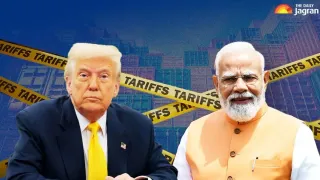
The US' proposal to impose an additional tariff of up to 25 per cent on Indian goods after its investigation into excess industrial capacity has put the impending India-US trade deal in focus. With the US signalling that the levy could be lowered if a bilateral agreement is finalised, the latest trade move has turned ongoing negotiations into a critical test for New Delhi's export competitiveness and broader economic ties with Washington.
India Faces Fresh Tariff Threat
US Trade Representative Jamieson Greer on Tuesday stated that Washington would cap the proposed tariff at 17 per cent if India and the US finalise a bilateral trade agreement. However, if the two countries fail to reach an agreement, the proposed tariff could rise to 25 per cent. The announcement came as US President Donald Trump's administration has proposed fresh import duties on 14 trading partners, including India. As India seeks to secure better access to the US market in the ongoing negotiations, the proposal has now added another layer to it.
A total of 14 economies, including India, China, Japan, South Korea, Vietnam, and the European Union are facing the threat of new tariffs, which stem from an eight-month investigation under Section 301 of the US Trade Act of 1974. The US has alleged that industrial policies followed by these economies had contributed to excess manufacturing capacity, creating challenges for American manufacturers.
Indian Goods To Still Face 17% Tariff Even After A Deal?
While the US has indicated to lower the tariffs against India, it must be noted that the proposed 17 per cent rate is a reduction in the additional tariff and not a complete exemption from import duties. This implies that even if India and the US successfully conclude their trade negotiations, Indian goods covered by the proposed measure could continue to face an additional 17 per cent tariff when entering the American market.
The agreement would therefore reduce the proposed rate by eight percentage points, rather than bringing it down to zero. Moreover, if the two countries fail to finalise an agreement that addresses the concerns raised by the US investigation, Indian imports could face the higher proposed tariff rate of 25 per cent. This situation makes the ongoing talks important for Indian exporters as there won’t be a real tariff relief despite a trade deal.
Other duties, including normal customs duties and product-specific tariffs imposed under different US trade measures, will continue to apply. However, the final amount will depend on the product category, existing tariff arrangements and any exemptions provided by the US administration.
How Will The Proposal Affect India-US Trade Talks?
As the new tariff proposal has added another important issue to the ongoing India-US trade negotiations, the two countries will now have to discuss beyond market access and reducing trade barriers. India and the US will have to address the concerns raised by Washington in its Section 301 investigation. For New Delhi, the talks would be important as the proposed 17 per cent rate would still leave an additional tariff on goods exported to the US.
This means that India would have to consider the conditions attached to lower rates while negotiating better access for Indian products in the American market. Meanwhile, for the US, linking the tariff rate to a trade agreement provides an opportunity to seek changes in India’s trade policies. The tariffs have yet not come into effect as the USTR has scheduled a public consultation process, with written comments due by January 5, 2027. The hearings will begin on January 25.
How Will It Affect Indian Exporters?
If the tariff comes into effect, the cost of Indian products entering the US market will increase, making them less competitive for American buyers. This could affect exporters in sectors that depend heavily on the US market like IT services, electronics, pharmaceuticals, textiles, and gems and jewellery. Even if India finalises a trade agreement and secures the proposed 17 per cent rate, exporters will continue to face an additional tariff burden.
Meanwhile, as the new tariff framework is unlikely to take effect before January 2027, it gives both sides a narrow window for negotiations. Moreover, Prime Minister Narendra Modi’s likely visit to the US for G20 Leaders' Summit around December 13, also gives a chance for bilateral talks with the US President. However, the Ministry of External Affairs (MEA) has not yet released an itinerary of the visit.
You May Also Like To Watch: