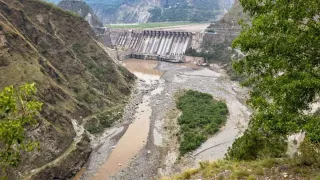
Pakistan Water Crisis: Pakistan has criticized India for the shortage of water in its territory due to the suspension of the Indus Water Treaty (IWT) following the Pahalgam terror attack in Kashmir. However, the experts and intellectuals of Pakistan have blamed their own government for the crisis, accusing the authorities of mismanagement and lack of transparency. In the last decade, even before the treaty was suspended, the experts questioned the approach of regional authorities in the neighboring nation.
Pak's Experts Flag Mismanagement
The Pakistani experts, in numerous articles between 2017 and 2026, flagged the regional issues causing the water scarcity in larger parts of the nation, reported CNN-News18. While acknowledging New Delhi's role in the crisis, the experts highlighted that it was not the sole reason. In an article, retired Group Captain SM Hali questioned Pakistan's decision to build housing on floodplains, not build dams, and do large-scale deforestation.
The experts have also pointed out that a major chunk of the water is utilized by the agriculture sector, further stating that a poor drainage system leads to water wastage. As per water-sector professional Dr Imran Aziz Tunio, agriculture uses over 90 per cent of the fresh water, leading to shortages in several regions. He also pointed out that the irrigation efficiency in the country is below 40 per cent.
Agriculture Issue
While the leading crops, including rice, wheat, sugarcane, and cotton, use over 80 per cent of the country's water, their contribution to the overall GDP is just 5 per cent, the experts pointed out. Apart from this, Pakistan's former Punjab Irrigation Minister Mohsin Leghar also highlighted the non-appointment of the Indus Waters Commissioner since January 2018. "Pakistan cannot demand transparency from others while tolerating opacity at home," Leghari wrote in his article, reported News18.
The experts have asserted that mismanagement and not shortage is the issue, adding that India's decision to suspend the treaty only worsened the crisis that already existed.