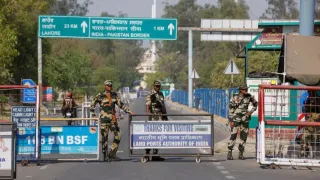
Pakistan imported Indian goods worth Rs 5,876 crore in the first quarter of FY2026-27, raising questions about how trade continues despite restrictions imposed by both countries. Pakistan’s imports from India have recorded a sharp increase despite the suspension of direct bilateral trade following last year's Pahalgam terror attack. According to figures reported by Pakistani publication Dawn, Islamabad imported goods worth USD 61.74 million, or approximately Rs 5,876 crore, from India between April and June 2026.
This represents a 69 per cent increase from imports worth USD 36.55 million, or around Rs 3,478 crore, during the same period a year earlier. Notably, Pakistan reported no exports to India during the same period.
The figures have raised questions about the channels through which Indian products are continuing to enter the Pakistani market despite the trade restrictions.
How Are Indian Goods Reaching Pakistan?
Data compiled by the State Bank of Pakistan does not explain how these imports reached the country. However, trade experts suggest that some shipments may be passing through third-country hubs, including the United Arab Emirates, Singapore and Sri Lanka.
Under this arrangement, goods produced in India may be shipped to an intermediary country before being re-exported to Pakistan. Depending on the applicable rules and documentation, the process may involve changes to shipping arrangements and trade paperwork.
The Global Trade Research Initiative (GTRI) has described such indirect trade as a grey-market channel, estimating that unofficial Indian exports to Pakistan could be worth billions of dollars annually. These estimates, however, are separate from the official import figures and should not be treated as confirmed trade-ban violations.
Pharmaceuticals Among Key Indian Products
Pharmaceutical products are among the important categories of Indian goods historically supplied to Pakistan. Other products include plastics, petroleum-related goods, dyes, organic chemicals, rubber, tea, coffee, vegetables, spices, dairy products and cereals.
India's pharmaceutical industry has been a significant supplier to international markets, and restrictions on direct trade have created challenges for Pakistani buyers seeking alternative sources of medicines and raw materials.
Trade Restrictions Remain In Force
India tightened restrictions on trade with Pakistan after the Pahalgam terror attack in April 2025, in which 26 people were killed. New Delhi subsequently prohibited the direct or indirect import or transit of goods originating in or exported from Pakistan.
Pakistan also announced a suspension of trade with India, including trade routed through third countries.
The closure of the Attari-Wagah land border further disrupted formal commercial exchanges between the two neighbours. Relations had already deteriorated following India's withdrawal of Pakistan's Most Favoured Nation status in 2019, after the Pulwama terror attack.
A Wider Question Over Indirect Trade
The latest figures highlight the gap between restrictions on direct commerce and the continued movement of goods through international supply chains. Trade through intermediary countries can make it difficult to establish the original source of products from headline import statistics alone. Determining whether a particular shipment violates trade restrictions requires examination of its origin, shipping records, customs declarations and the relevant legal provisions.
For now, Pakistan's reported increase in imports from India points to continued demand for Indian products. However, the available figures do not independently establish how each shipment was transported or whether the transactions breached either country's restrictions.
You may also like to watch