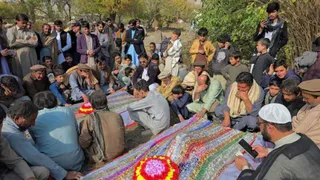
Three days of brutal sectarian violence in Pakistan’s northwestern Kurram district have left at least 82 people dead and 156 injured as clashes erupted between Shia and Sunni communities. This is the latest chapter in a long history of religious strife fueled by land disputes, governance failures and deep-seated tribal rivalries in the region.
Shia-Sunni Clashes In Khurram
The violence began on November 21 when two police-escorted convoys of Shia Muslims were ambushed in Bagan town, killing at least 45 people. The attack provoked widespread retaliation, leading to gunfights that claimed dozens of lives over subsequent days. Kurram district, part of Khyber Pakhtunkhwa province bordering Afghanistan, remains one of the most volatile areas due to its history of sectarian tensions and geographic sensitivity.
A ceasefire was brokered following a meeting of tribal elders from both communities, yet sporadic violence continued. On Sunday, November 24, 21 additional fatalities were reported, including 14 Sunni and 18 Shia individuals.
Kurram's Demographic And Tribal Dynamics
Kurram’s unique demographic profile adds complexity to the violence. Although Pakistan is predominantly Sunni, around 45 per cent of Kurram’s population are Shias, primarily from the Turi and Bangash tribes. These Shias are concentrated in Upper Kurram, which boasts better literacy and economic indicators compared to Sunni-dominated Lower and Central Kurram, reported Indian Express.
Land disputes often exacerbate tensions. The current conflict stems from a disagreement over agricultural land in Boshehra village. The land, owned by the Shia-dominated Malekhel tribe, was leased to Sunni farmers from the Madgi Kalay tribe. The lease expired in July, but Sunni farmers refused to vacate the property, triggering violent clashes.
ALSO READ: Elon Musk's Department In Trump 2.0 Biggest Threat To China, Warns Xi Advisor
Historical Roots Of Sectarian Rivalries
Sectarian violence in Kurram is not new. During British colonial rule, policies of patronage and resource allocation deepened inter-tribal rivalries. These historical grievances have persisted, often manifesting in competition for land and other resources.
Between 2007 and 2011, Kurram witnessed severe bloodshed, with over 2,000 deaths and thousands more displaced. Governance challenges worsened the situation, as laws from the colonial era governed the region until FATA's merger with Khyber Pakhtunkhwa in 2018.
External Influences
Kurram’s location along the Afghanistan border adds an external dimension to the violence. The area is a hub for terrorist activity and cross-border tensions. Armed groups often exploit local conflicts, intensifying the volatility. The Pakistani government has yet to name the perpetrators of the latest attacks and no group has claimed responsibility.
ALSO READ: Jordan: Security Forces Kill Gunman Accused Of Firing Near Israeli Embassy; 3 Cops Wounded
International Response
The supreme Shia authority, Grand Ayatollah Ali Sistani, condemned the recent clashes in the Kurram region, stating that they are aimed at creating divisions among Muslims. Along with the Islamic seminary in Najaf, Iraq, he called on the Pakistani government to take immediate action to assist the people of Kurram.
"We urge the esteemed government of Pakistan to take necessary steps to support the oppressed people in combating the tyranny and crimes of terrorist groups. It is essential to prevent the repeated brutal and violent attacks on innocent believers by these extremist and merciless factions,'' the cleric's office stated in a press release.
Additionally, the global Shia community, outraged by the incident, held protests in several cities, demanding swift action from the Pakistani government. They described the ongoing violence as a form of ethnic cleansing of Shia Muslims in the region that has persisted for decades.