
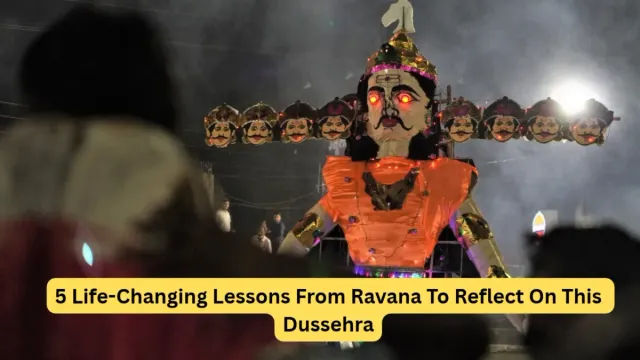
Dussehra, also known as Vijaydashmi or Bijoya Dashami, is one of the most significant festivals. It marks the defeat of the demon king Ravana by Lord Rama, symbolising the triumph of righteousness and truth over evil.
This festival also teaches how truth, courage and wisdom can overcome even the greatest challenges. On this day, people burn effigies of Ravana, who represents the destruction of arrogance, greed and negative tendencies.
If we look beyond these lessons, it holds deeper meanings that one can learn from and apply.
Let's explore the five main lessons that one can learn from this Dussehra.
1. Knowledge Without Humility Is Destructive
Ravana was considered one of the greatest scholars. His ten heads represent his mastery over the 6 Shastras and 4 Vedas, yet his vast intellect couldn't save him because it lacked Vinaya (humility).
This teaches us that knowledge, education and intelligence are powerful tools that can help us grow. However, thinking we don't need to learn can blind a person with arrogance.
So, humility does not mean thinking less of yourself; it means recognising the weak points and, instead of getting discouraged, learning from them and improving ourselves day by day. Remember, knowledge illuminates the path, but humility helps us walk it wisely.
How You Can Practice It:
- Accept feedback with humility instead of getting offended.
- Learn from mistakes instead of hiding them.
- Use your knowledge to help others instead of using it against them.
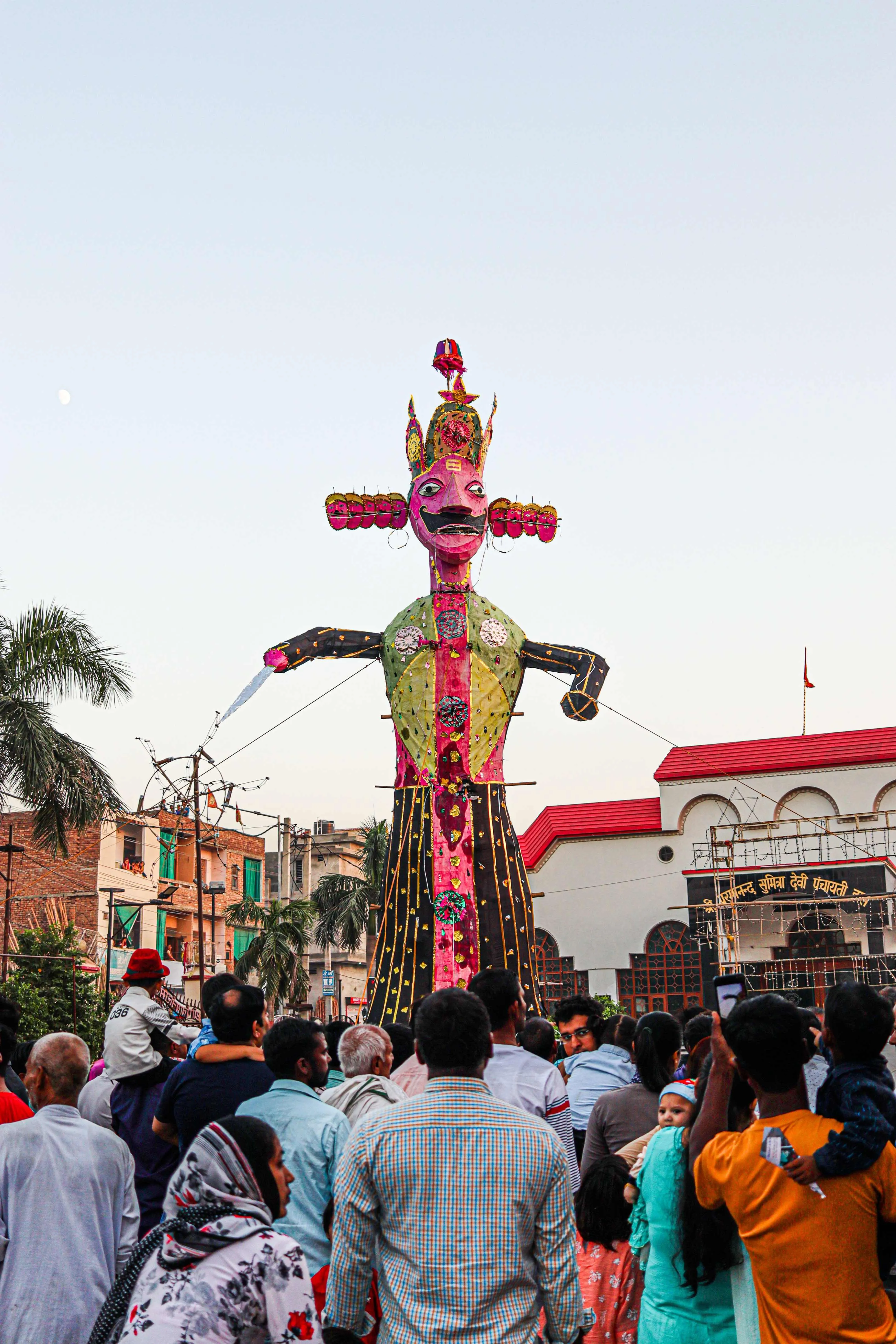
Ravana's ten heads represent his mastery over the 6 Shastras and 4 Vedas (Image: Pexels)
2. Devotion Does Not Grant Immunity from Karma
Ravana composed the Shiva Tandava Stotram and even sacrificed his own limbs for Lord Shiva to please him. Yet, he cannot escape the consequences of his adharmic actions.
Many people think that if they pray daily and do immense spirituality, their wrongdoings will be neutralised and god will not punish them. Remember that while devotion connects a person to the divine, karma shapes their spiritual and physical destiny.
How You Can Practice It:
- Treat everyone with respect and humility.
- Recognise that devotion and spiritual practices are meant to transform your character, not reset your wrongdoings.
3. The Danger of Echo Chambers and Ignoring Truthful Advice
Although he was the greatest devotee and scholar, Ravana was destroyed by his own ego. His defeat was not the result of incomplete knowledge, but his unwillingness to act upon the wisdom he possessed.
Recommended For You
When his brother Vibhishana and his wife Mandodari advised him to return Mother Sita to Lord Ram, Ravana refused. His attachment and pride had become stronger than his discrimination.
This is what happens in real life. When we become attached to our opinions, achievements, desires, and expectations, even well-intentioned advice may feel like an insult.
How You Can Practice It:
- Learn to accept your mistakes.
- Don't treat disagreement or argument as disrespect.
- Never let your pride or ego come into your relationships.
ALSO READ: 6 Powerful Ramcharitmanas Quotes With Meanings That Offer Life Lessons, Wisdom And Inner Peace
4. Mastery Over the Senses vs. Becoming a Slave to Desire
Ravana had control over the planets (astrology) and cosmic forces, yet he couldn't control his own impulses and desires (the abduction of Sita).
The ten heads of Ravana are also often linked with the ten emotions that can disturb the human mind and make them slave to their own desires. Desire may give rise to anger, pride may prevent forgiveness, and jealousy may grow into resentment.
How You Can Practice It:
- Recognising them is the first step.
- Consider leaving behind anger, jealousy, resentment, and greed.
5. Legacy Is Written By Your Final Choices, Not Your Genius
Ravana was not merely a demon king. He was the grandson of Brahma, son of the sage Vishrava, and brother of Kubera, the god of wealth. A polymath, Ravana mastered Ayurveda, music, and political science.
Despite these qualities, Ravana's legacy was defined by his destructive choices fueled by untamed desire and arrogance (ahankara).
From Ravana, one can learn that you can have 'ten heads' worth of brilliant ideas, plans, and talents. However, if your final choices are guided by an inability to conquer your desires and ego, you will ultimately burn down everything you have built.
How You Can Practice It:
- When you are upset or angry about something, pause before acting impulsively.
- Surround yourself with people who are not afraid to point out your mistakes.
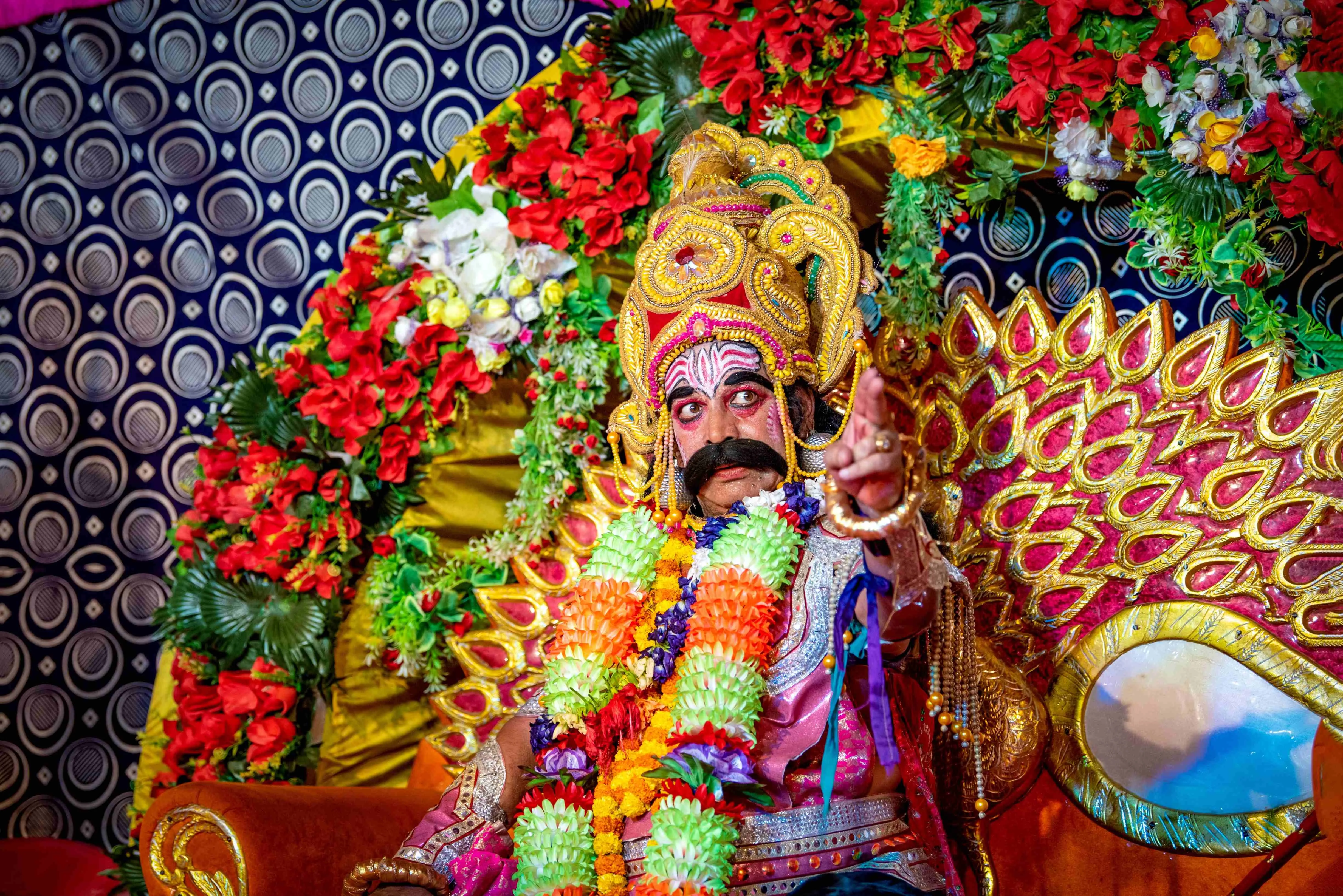
Ravana's legacy was defined by his destructive choices fueled by untamed desire and arrogance (Image: Pexels)
ALSO READ: 5 Temples In India Where Ravana Is Worshipped And Not Burned
So, did you find these lessons valuable?
FAQs
1. What does burning Ravana’s effigy on Dussehra symbolise?
In many parts of India, the burning of Ravana's effigy represents the destruction of arrogance, greed and negative tendencies.
2. What were Ravana’s ten heads symbolic of?
Ravana's ten heads can serve as a powerful symbol of the weaknesses that disturb the human mind.