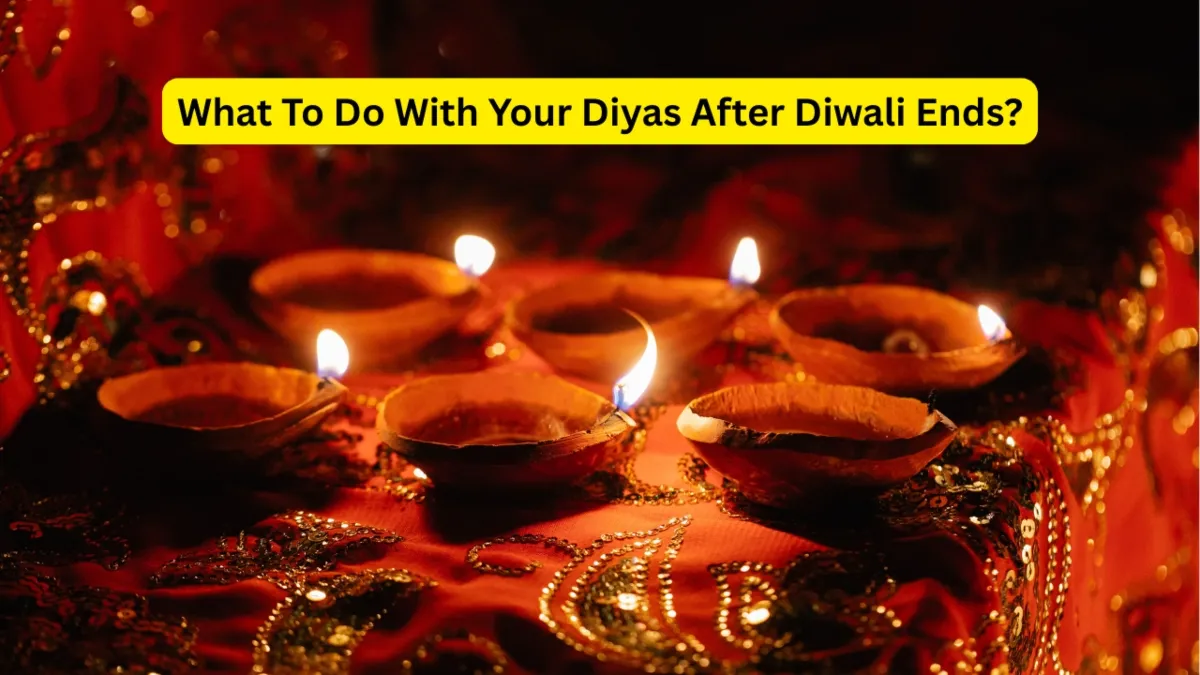
During the five-day festival of Diwali, people decorate their houses with lights and diyas to celebrate Lord Rama's return to Ayodhya after fourteen years of exile.
However, the most common question that arises after Diwali is: What should we do with these diyas? Can we throw them or reuse them next year?
In Hindu tradition, a diya is more than baked clay, as Goddess Lakshmi resides in them and attracts prosperity into the home.
Let's understand the religious significance of diya and learn what to do with them after Diwali.
The Religious Significance Of Diyas After Diwali
According to Vedic traditions, when a diya is lit with ghee or oil during Lakshmi Puja, it attracts positive sacred energy and prayers. Because these lamps hold holy light dedicated to the deities, throwing them directly into a dustbin is considered disrespectful.
According to scriptures, anything that originates from the earth should return to it. As clay diyas are also made from Mother Earth, they should ideally return to earth or water at the end of their lifecycle.
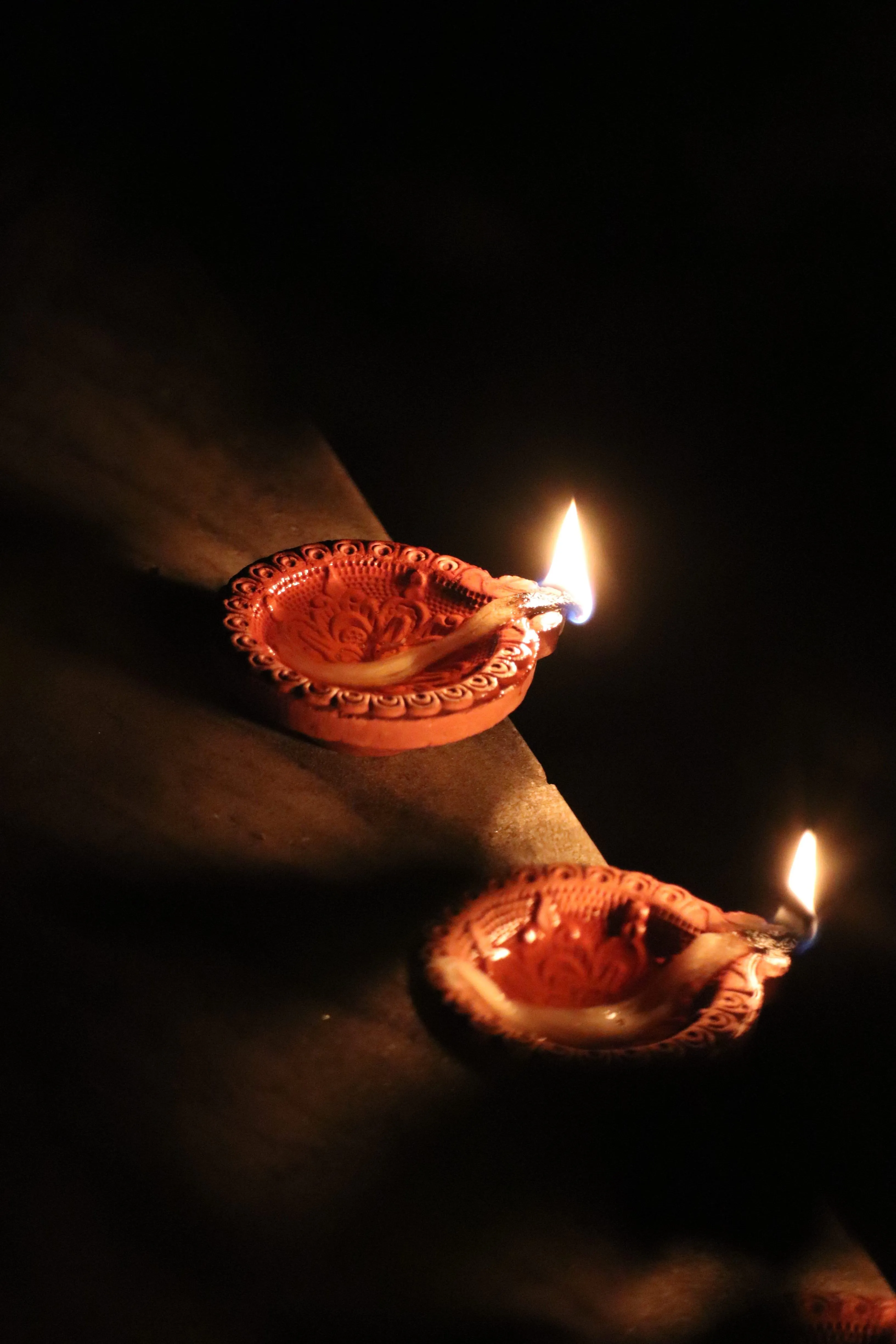
When a diya is lit with ghee or oil during Lakshmi Puja, it attracts positive sacred energy (Image: Pexels)
ALSO READ: Why Do Some Hindu Families Light 14 Diyas On Choti Diwali? Meaning, Rituals, And Placements
Can You Reuse Diyas Next Year?
According to Vastu, the diya made of clay should not be used for Lakhmi Puja because clay absorbs oil permanently. Once the lamp is burnt out, it is considered Khandit, meaning its energy is used up.
So, if you want to reuse the diyas, you can use them on your balcony or garden after boiling and sun-drying. Make sure to always use fresh, unused clay diyas for the main deity altar every Diwali.
Which Diyas Can Be Reused?
Lamps made of brass, silver, copper, or bronze are non-porous and can be reused. They do not absorb oil into their material structure.
If you are using them, make sure to wash them thoroughly with lemon, pitambari, or tamarind water to remove soot, and reuse them in all rituals.
ALSO READ: Diya Lighting Rules: 5 Common Mistakes To Avoid During Evening Puja
How To Dispose Of The Old Worn-Out Diya?
If your diya is completely burnt and cannot be reused, then here are some eco-friendly ways to dispose of it respectfully :
1. The Soil Immersion Method
The most respectful way to dispose of plain clay diyas is to return them to the earth. For this:
- First, you need to soak the clean, soot-free diyas in a bucket of water until they soften.
- Crush them gently into smaller pieces.
- Mix the crushed pieces into your garden beds or flower pots
2. Using Them As Decorative Items
If the diyas are undamaged, you can even paint them with acrylic colours and use them to decorate your home. You can either make tealight holders or convert them into mini succulent planters.
Recommended For You
4. Eco-Friendly Water Visarjan
If you live near a river or sea, immerse these clay diyas in it, as pure clay naturally dissolves back into the water body without causing pollution.
Note: Never immerse painted, plastic, or wax-filled diyas into natural water bodies.
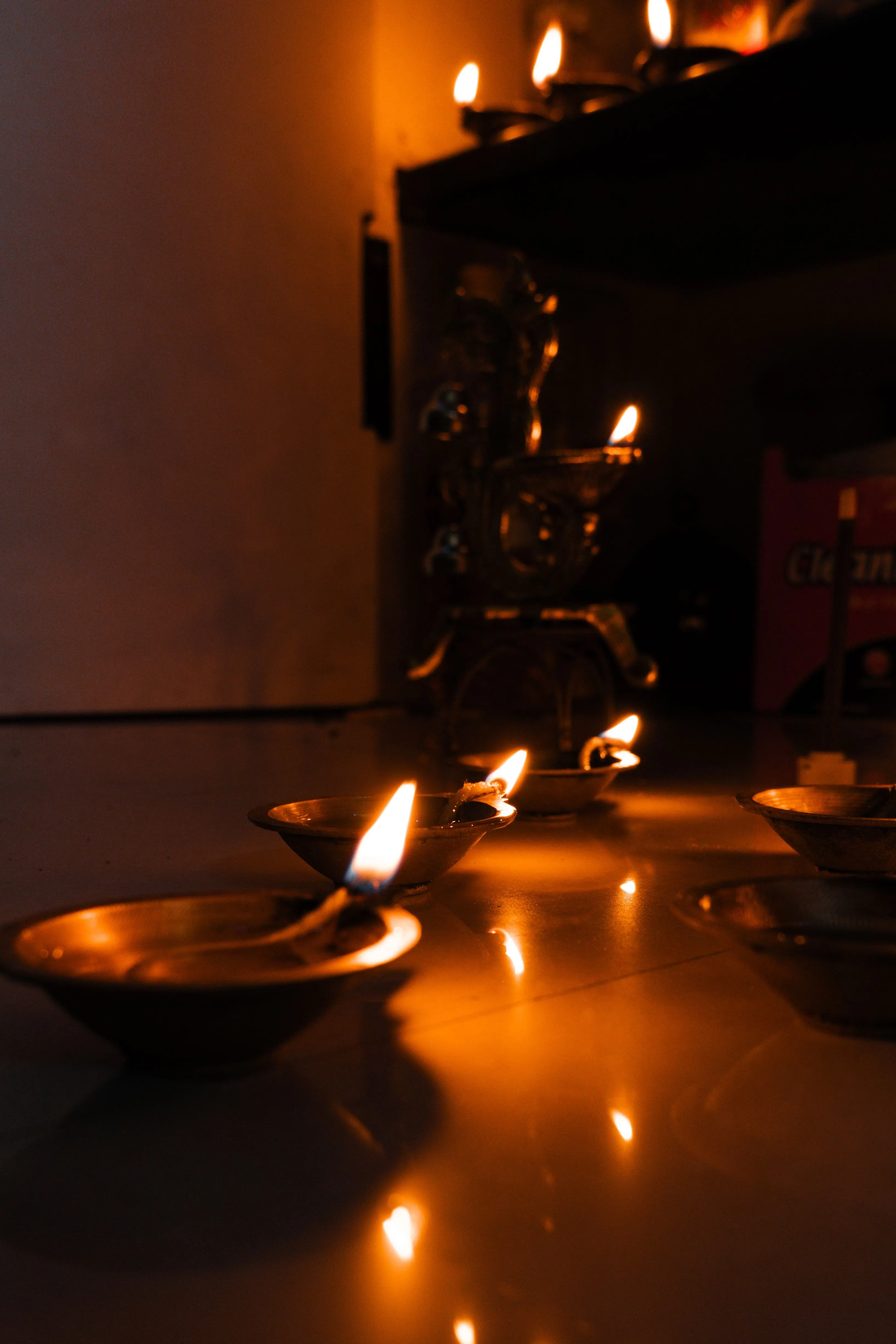
Lamps made of brass, silver, copper, or bronze are non-porous and can be reused (Image: Pexels)
Do's and Don'ts For Old Diyas
Here are some things you should follow and avoid while discarding your old diyas:
Do This | Don't Do This |
Wash off soot and oil before storing or crushing | Don't throw intact sacred diyas directly into regular kitchen trash |
Use fresh clay diyas for the main Lakshmi Puja altar each year | Don't submerge painted or wax-lined diyas in natural rivers/ponds |
Crush unpainted diyas into garden soil | Don't leave discarded diyas on public sidewalks or under trees |
Clean and polish metal/brass diyas for reuse | Don't use cracked or chipped diyas for prayers |
FAQs
1. Can we throw away wax diyas or painted diyas in the trash?
Yes, but remove any remaining wax first. Painted and wax-filled diyas contain non-biodegradable chemicals or paraffin.
2. What should be done with the leftover cotton wicks?
Burnt cotton wicks (Baati) hold soot and consumed oil. Collect all burnt wicks and bury them in your garden soil.
3. Why is it bad luck to light a cracked diya?
In Vastu Shastra, anything broken or cracked (Khandit) disrupts the smooth flow of positive energy (Prana) and can attract negative vibrations. Always inspect your diyas for cracks before lighting them during pujas