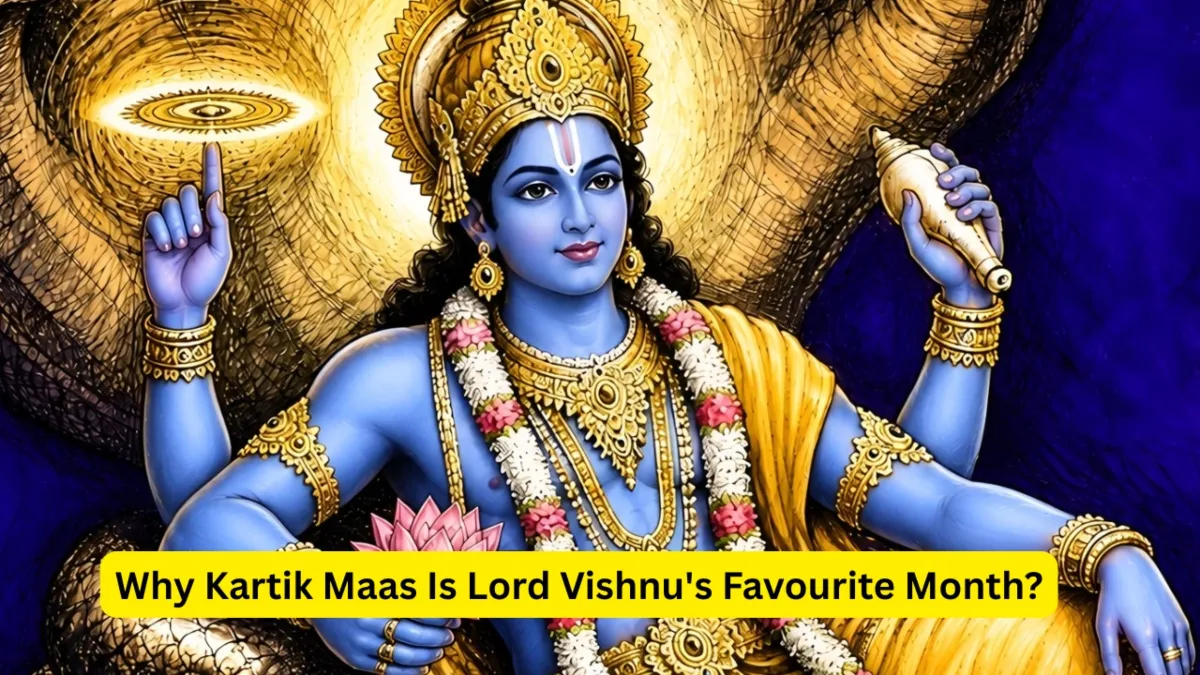
Kartik Maas holds immense spiritual significance in Hinduism. This year, Kartik Maas started on 27th October and will end on Kartik Purnima on 24th November, as per the North Indian (Purnimanta) calendar.
This sacred month is dedicated to Lord Vishnu and is marked by devotion, fasting, and acts of charity. It is a month of lamps, early morning baths, tulsi worship and quiet devotion. Within these thirty days fall Diwali, Dev Uthani Ekadashi, Tulsi Vivah and Dev Diwali.
Let's understand the origin, spiritual significance and rituals performed during this sacred month.
What Is Kartik Maas And When Does It Fall?
Kartik Maas is the eighth month of the Hindu lunar calendar and is considered the holiest month in the Vaishnava tradition. It typically falls between October and November. In 2026, Kartik Maas runs from 27th October to 24th November in the North Indian purnimanta calendar.
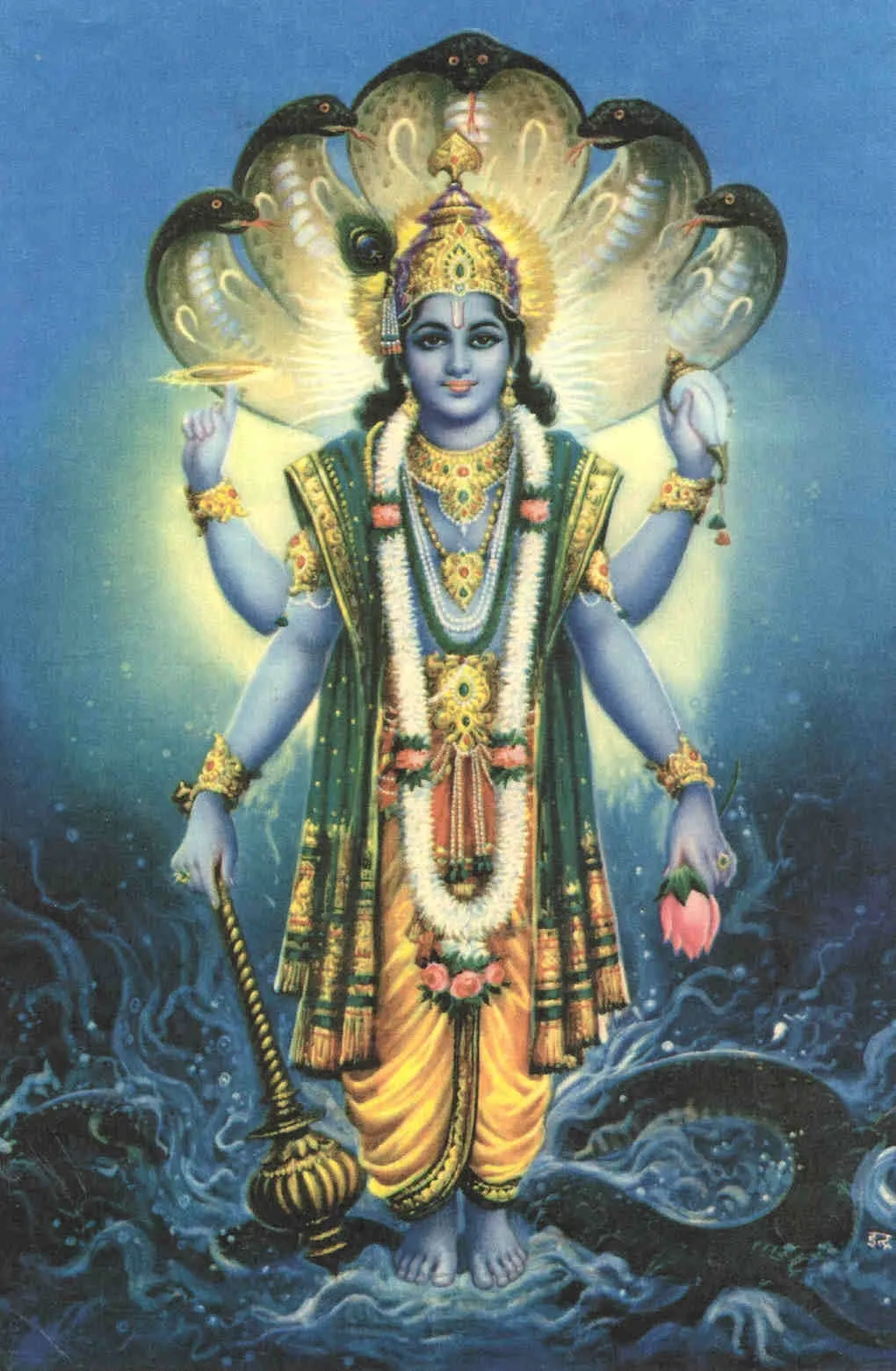
Kartik Maas is the eighth month of the Hindu lunar calendar and is considered the holiest month in the Vaishnava tradition (Image: Facebook/lordvishnu)
Why Kartik Maas Is Considered Sacred?
The Padma Purana and the Bhagavata Purana both mention the importance of Kartik's Maas. According to legend, Lord Vishnu went into deep meditation on Sheshnag for four months, known as Chaturmas.
Tradition holds that he awakens from his cosmic sleep during this month, bringing Chaturmas to a close. Worship performed during this period, particularly lighting lamps, bathing in sacred water, and performing Vishnu puja, is believed to provide many spiritual benefits.
Recommended For You
Within the Vaishnava tradition, this month is affectionately known as Damodara Maas, named after one of Krishna's most beloved childhood names, Damodara, meaning He whose belly was bound by a rope.
Rituals Performed During Kartik Maas
Here are some rituals that are performed by devotees to please Lord Vishnu during Kartik Maas:
1. Many devotees wake up during Brahma Muhurat and take a holy dip throughout the month, ideally in a river such as the Ganga, Yamuna or Godavari.
2. Lighting lamps in the evening near the Tulsi plant, at the home shrine or in temples is considered sacred.
3. Daan, whether food, clothing, lamps or oil, is encouraged throughout the month.
4. Perform 'Sandhyavandanam' or simple morning prayers to the Sun God (Surya) to acknowledge the source of light.
5. Recite the Vishnu Sahasranama or specific Kartik Mahatmya stotras.
6. Conclude with a period of silent meditation or 'Japa' of the deity's name.
ALSO READ: Why Do Hindus Fast On Ekadashi? Know Its Deep Connection With Lord Vishnu
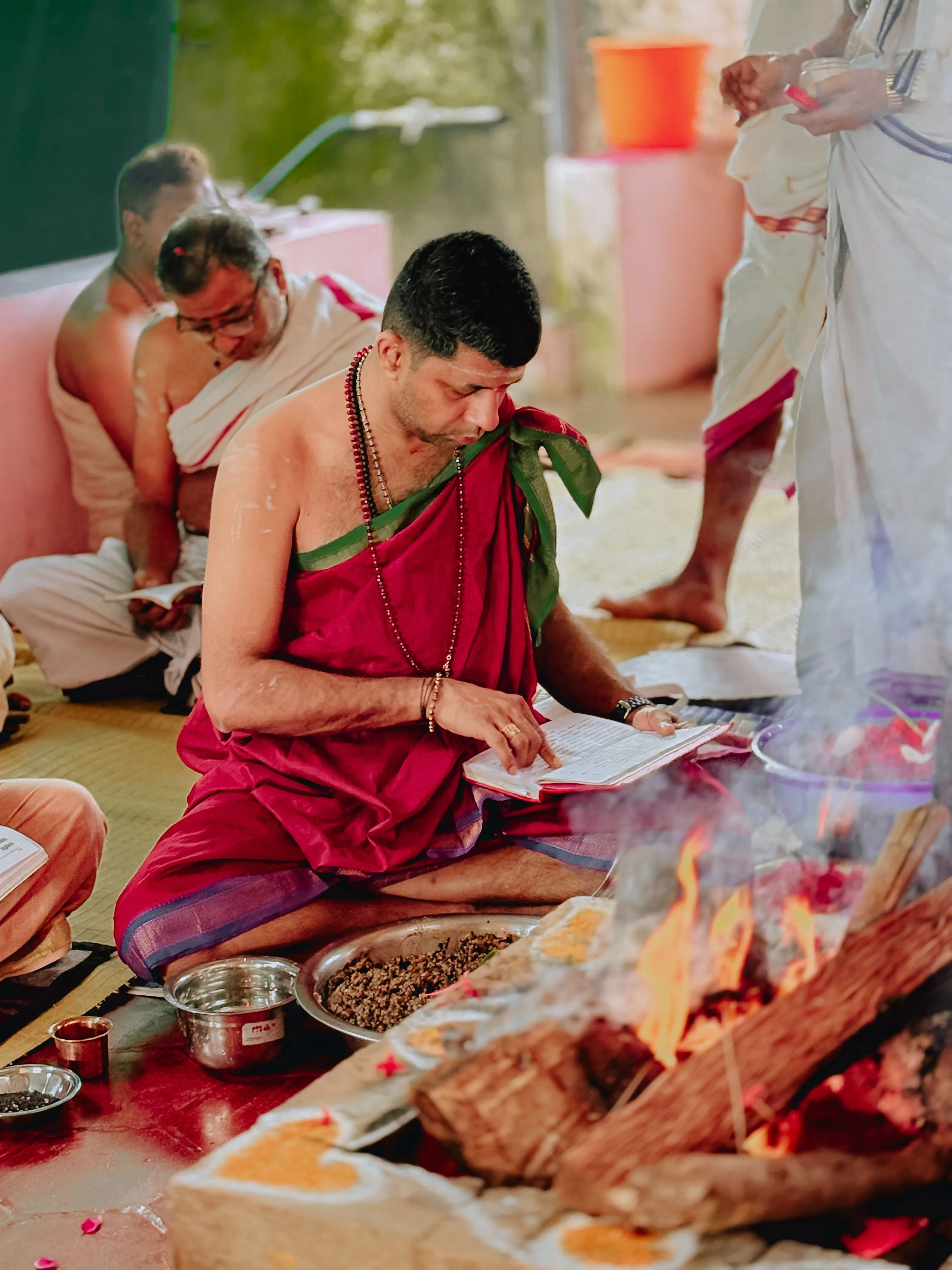
Recite the Vishnu Sahasranama or specific Kartik Mahatmya stotras (Image: Pexels)
ALSO READ: 5 Lesser-Known Facts About Lord Vishnu’s Sudarshan Chakra You Should Know
Kartik Maas is the month of devotion and surrender. Lighting a single diya or chanting Lord Vishnu with pure faith during this month can lead to spiritual growth.
FAQs
1. What makes the Kartik month's importance special in Hinduism?
It encourages both spiritual and ritual purity through fasting, bathing, and prayer. Devotees believe it leads to salvation (moksha).
2. How can one observe Kartik Maas at home?
You can light diyas daily, read the Bhagavad Gita or Vishnu Sahasranama, perform charity, and avoid non-vegetarian food to purify the soul.
3. Is it mandatory to fast during Kartik?
While full fasting is not mandatory for everyone, following a Sattvic diet and observing specific fasts like Ekadashi is highly encouraged to enhance the spiritual benefits