

- By Prateek Levi
- Mon, 06 Apr 2026 12:05 PM (IST)
- Source:JND
NASA space mission images iPhoneBuilding on the success of its predecessor, the Artemis I mission, which was uncrewed, Artemis II marks a historic 10-day crewed flight test that took off on April 1, 2026. Why is it historic? Well, it's the first time in the past 50 years that humans have conducted a flyby or essentially returned to the vicinity of the moon. This mission combines decades of engineering ambitions, and the mission took four astronauts for this expedition.
ALSO READ: Anthropic Pulls OpenClaw Support After Leak Sparks Bigger Questions
The vehicle that serves this expedition is the Orion spacecraft, which was launched using NASA's new Space Launch System (SLS), which is the agency's latest heavy-lift rocket, currently the only rocket capable of launching the Orion spacecraft. Well, on this mission, apart from all the necessary space apparatus, astronauts also took with them cameras, and that too, a lot of them, and other tools used for communication to record another extraordinary feat of humanity.
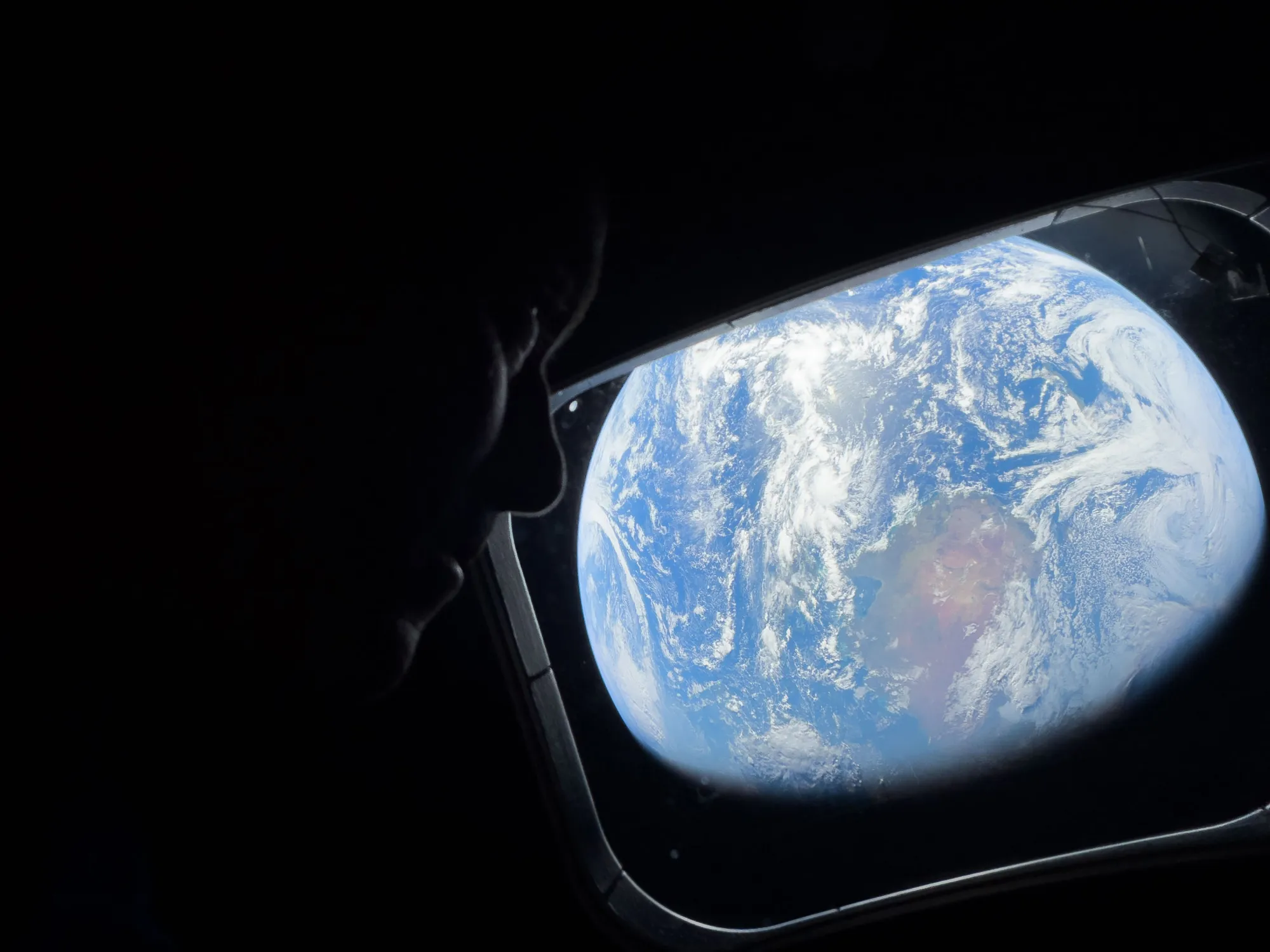
Image Credits: NASA
But that's not it. NASA had approved the use of personal smartphones in the capsule, and this very fact also makes this a historic expedition, as it is the first time astronauts have carried their personal mobiles with them on a spacecraft, and guess which device made it to space... the iPhone 17 Pro Max, four units of it.
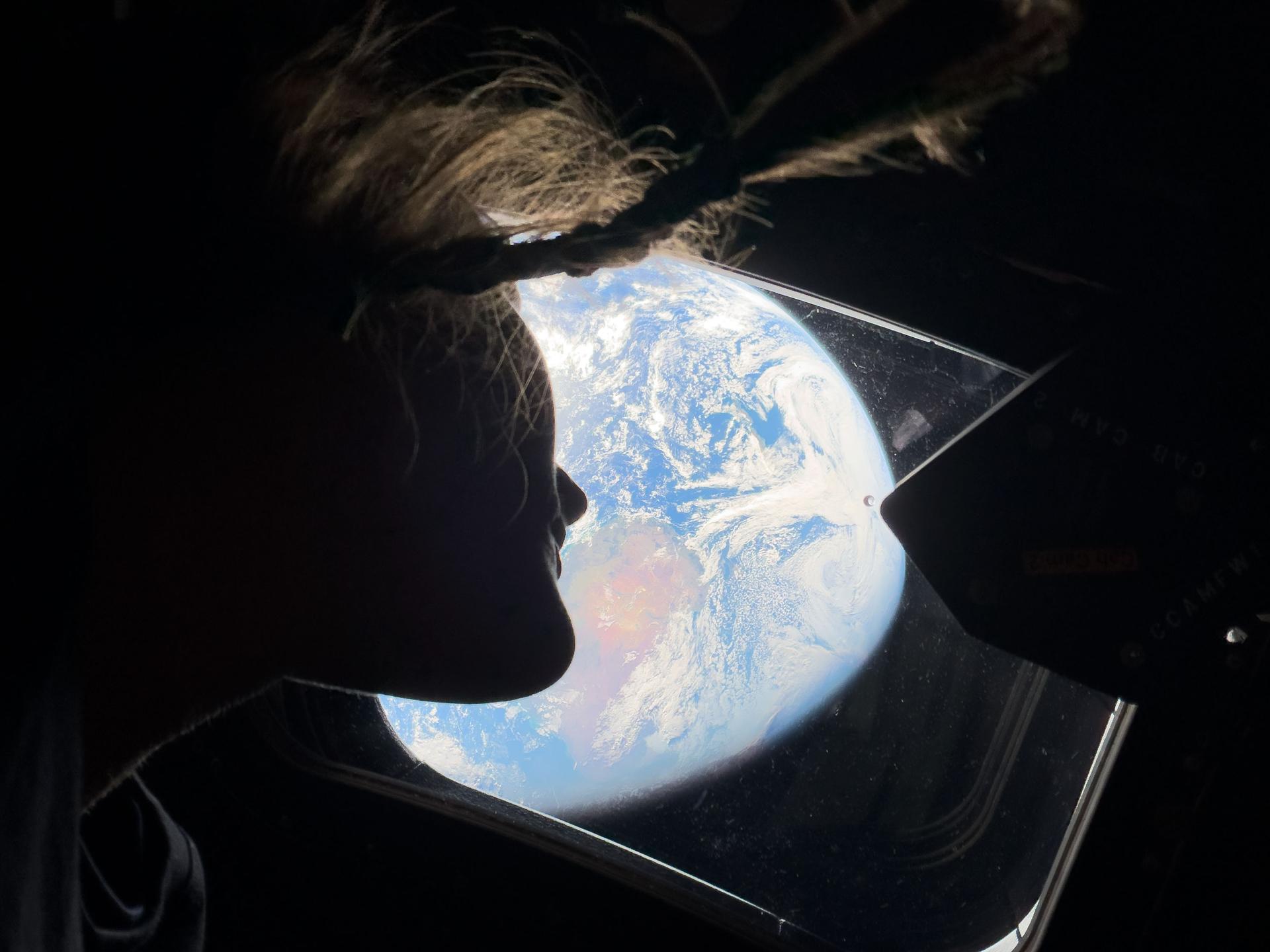
Image Credits: NASA
Apart from all the extremely high-tech space equipment, the iPhone 17 Pro Max also joined the fleet, and the internet is now buzzing with pics taken from the Apple devices onboard the spacecraft, which are now being released by NASA during the Artemis II mission. This also marks the first time a smartphone was used to document a crewed lunar mission. The photos taken on April 2, 2026, give us a little peek of what the earth looks like from inside the spacecraft/capsule. Astronauts Reid Wiseman and Christina Koch can be seen in the photograph staring back at their home planet.
How Did The iPhone Make It To Space This Time?
Well, this does sound like it's not a very big deal, but getting approvals for taking these handhelds was some gargantuan task. Before anything gets cleared, it has to pass a tightly controlled four-step process. It starts with the hardware being reviewed by a safety panel. After that, engineers move into hazard identification, looking at everything from mechanical components to materials like glass that could break in microgravity. The next step focuses on how those risks can be managed, and the final stage is all about testing whether those solutions actually hold up.
Durability plays a big role here. The iPhone 17 Pro Max comes with Ceramic Shield 2, which Apple says is its strongest glass yet. But for NASA, it is not just about how tough the glass is. In space, devices react differently. Heat doesn’t escape the same way, batteries can behave unpredictably, and even storage conditions become a serious consideration.
An iPhone in space was a good little mix to the usual routine that NASA follows, but still the agency relies mostly on its traditional and conventionally used imaging tools for critical mission documents. Apart from the iPhone 17 Pro Max, the main cameras that are being utilised are the Nikon D5, Nikon Z9 and GoPro HERO4 Black for those high-resolution shots for scientific inquiry. The iPhone only complements these tools and is not something that NASA has kept in the main frame, adding a little twist to usual space journeys and adding a personal touch.