
- Iran forms Persian Gulf Strait Authority for tolls.
- New rules require transit authorization and detailed ship records.
- US rejects Iran's peace framework; UK/France plan naval escort.
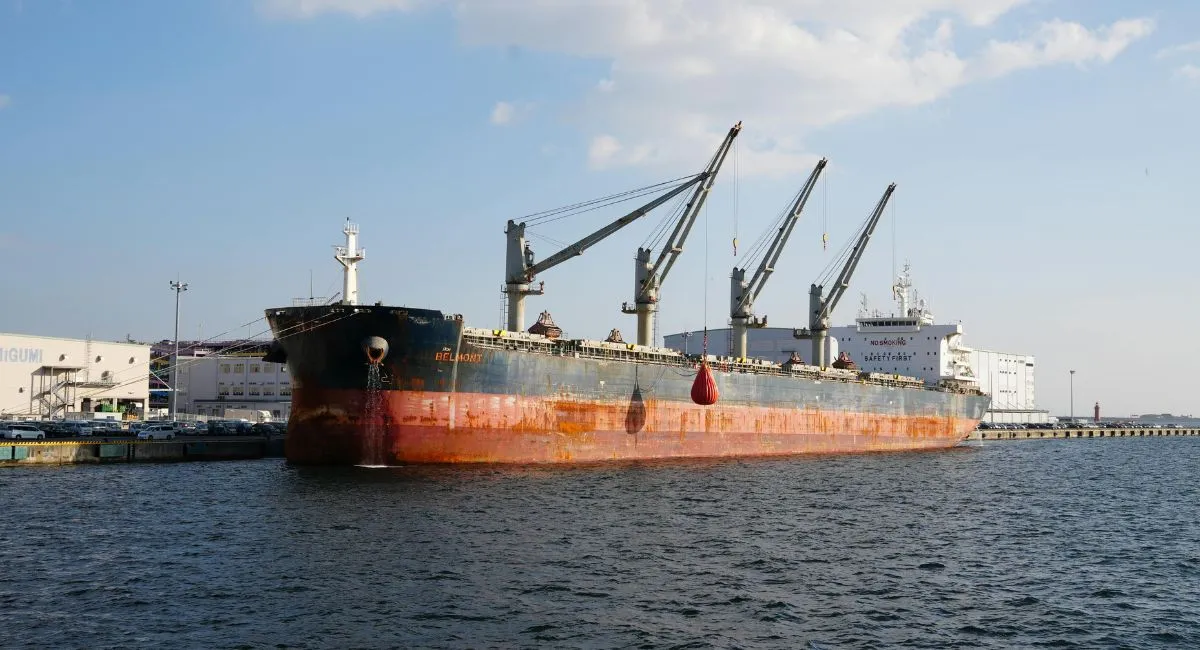
With simmering tensions between Iran and the United States still prevailing, the Strait of Hormuz, one of the world's most important oil shipping lanes, has been a key battleground in the recent escalation of the conflict. Although Washington has consistently challenged Iran's tightening grip over the vital passage, Iran is now trying to institutionalise its control over the waterway formally.
Last week, the Iranian authorities set up a Persian Gulf Strait Authority (PGSA) to regulate the movement of vessels through the Strait and charge tolls on passing ships, reported the maritime publication Lloyd's List.
The publication reported that the authority has “already introduced a new framework requiring ships to obtain transit authorisation and pay tolls before sailing.”
ALSO READ: Iran FM Abbas Araghchi Likely To Visit New Delhi For Crucial BRICS Meeting: Reports
New Transit Rules
Under the new procedure, vessels must share extensive operational details before being granted permission to pass through the waterway. “Ships are required to submit detailed records of ownership, insurance, crew details and intended transit route”, Lloyd’s List said, citing documents circulated by the authority.
Iranian state television Press TV also reported the mechanism earlier this week, stating that "All vessels wishing to pass through the Strait will receive an email from info@PGSA.ir with the relevant passages' rules and regulations."
This represents a significant development in Iran's efforts to tighten its administrative and security hold over the Strait of Hormuz, long opposed by Washington to any kind of fee or permit collection scheme over what the US regards as an international waterway.
Recommended For You
The announcement comes following a new spike in regional tensions, on May 7, when Iran's armed forces engaged in a fire exchange with the "enemy" near Qeshm Island, within the Strait of Hormuz, while diplomatic ties with Washington were still proceeding.
UK, France Push Naval Escort Plan
In such a context, the UK and France are also preparing to receive in their territory, on Monday, more than 40 nations for a discussion on the European mission of escorting commercial vessels through the Strait. The meeting is expected to focus on operational coordination and contributions from participating nations.
UK Defence Secretary John Healey, who will chair the meeting alongside French counterpart Catherine Vautrin, said, “We are turning diplomatic agreement into practical military plans to restore confidence for shipping through the Strait of Hormuz.”
The response from Tehran was quick and negative; Iran's deputy foreign minister, Kazem Gharibabadi, expressed that foreign naval deployments would exacerbate the existing crisis.
“Any deployment and stationing of extra-regional destroyers around the Strait of Hormuz, under the pretext of ‘protecting shipping’ is nothing but an escalation of the crisis, the militarisation of a vital waterway, and an attempt to cover up the true root of insecurity in the region,” Iranian Media quoted Gharibabadi.
Trump Calls Iran’s Response ‘Totally Unacceptable’
Meanwhile, hopes of a diplomatic breakthrough appeared to fade after US President Donald Trump rejected Iran’s latest response to a proposed peace framework.
"I have just read the response from Iran's so-called 'Representatives.' I don't like it, TOTALLY UNACCEPTABLE," Trump posted on Truth Social.
His remarks followed Iran’s warning that it would not hesitate to respond militarily if new strikes were launched or if additional foreign warships entered the Strait of Hormuz.
You May Also Like To Watch: