- By Abhishek Sheoran
- Mon, 21 Oct 2024 01:30 PM (IST)
- Source:JND
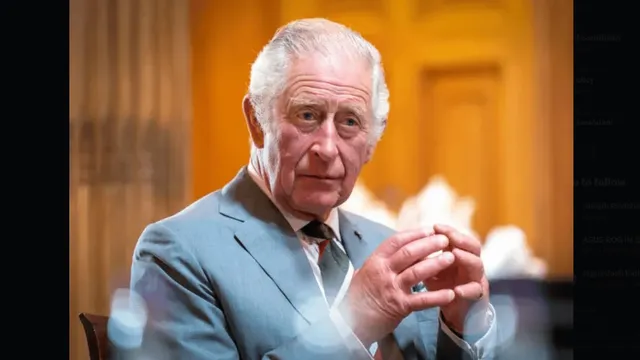
Britain's King Charles III faced a bizarre interruption when an Australian senator began shouting at him moments after he finished addressing the parliament, CNN reported. “You are not my king! Give us our land back! Give us what you stole!” Independent Senator Lidia Thorpe shouted at the royal couple as security moved to escort her out.
King Charles and Queen Camilla were in Australia to hold a meeting with top leaders, including Prime Minister Anthony Albanese. During his speech, King Charles acknowledged Australia’s First Nations people, who have lived on the land for tens of thousands of years—long before the arrival of British settlers over 230 years ago.
ALSO READ: Shivraj Singh Chouhan Gets New Role, To Monitor Implementation Of PM Modi’s Key Schemes
“Throughout my life, Australia’s First Nations people have done me the great honour of sharing so generously their stories and cultures. I can only say how much my own experience has been shaped and strengthened by such traditional wisdom,” King Charles said.
Before shouting at King Charles, Senator Lidia Thorpe reportedly turned her back during the recital of “God Save the King,” according to Australian media. Photos captured her wearing a possum-fur cloak, standing with her back to the rest of the attendees.
On Monday, protesters holding an Aboriginal flag gathered as the royal couple visited the Australian War Memorial. A 62-year-old man was arrested for refusing to follow police instructions.
The Greens party stated that, while the King’s visit was “a momentous occasion for some,” it also served as “a stark reminder of the ongoing colonial trauma and the lasting impact of British colonialism” for many First Nations people.
Notably, the arrival of British settlers in Australia triggered widespread massacres of Indigenous communities across hundreds of sites, continuing into the 1930s. To this day, their descendants endure racism and systemic discrimination, with the country struggling to address the deep-rooted inequalities that have persisted for generations.