
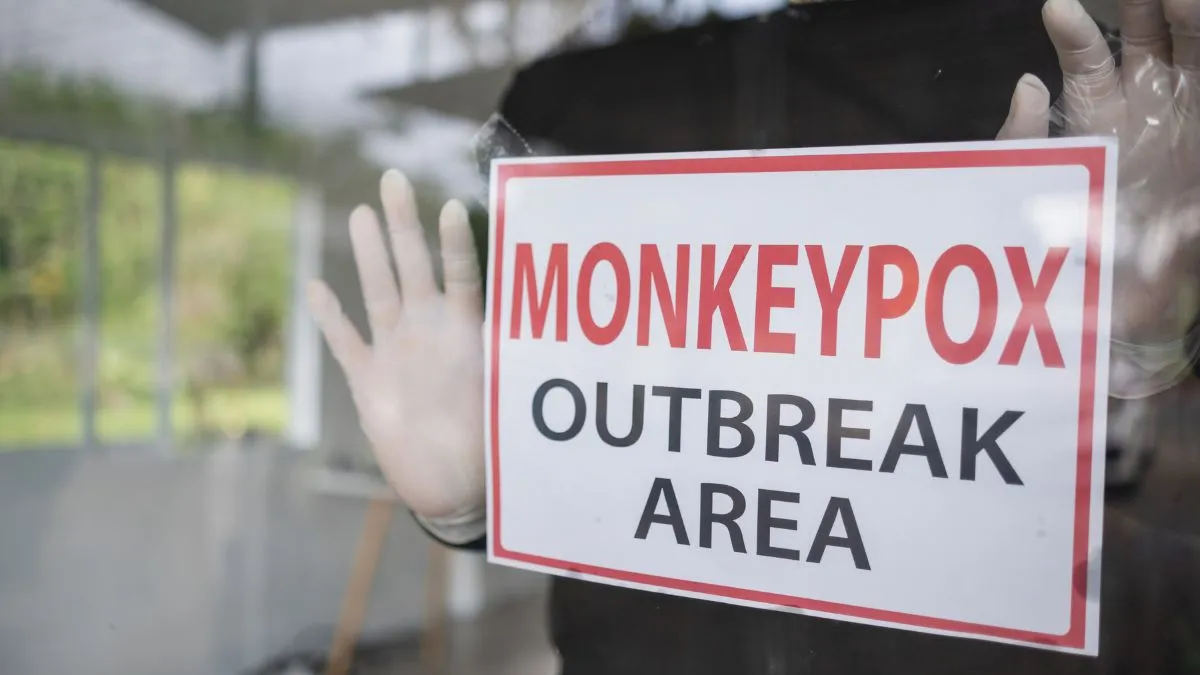
Mpox Alert: The World Health Organization (WHO) on Wednesday declared mpox (formerly known as monkeypox) a global public health emergency in the light of an outbreak of the viral infection in various parts of Africa. This is the second such proclamation by the UN agency regarding the disease in two years.
The ongoing outbreak of mpox emanated in the Democratic Republic of Congo (DRC) and later spread to neighbouring countries. Data from the Africa Centres for Disease Control and Prevention (CDC) show that during the past week alone, more than 2,000 new mpox cases have been reported across Africa.
Last week, the health body said some 38,465 mpox cases and 1,456 deaths had been reported in Africa since January 2022, affecting at least 16 countries across all five regions of Africa.
MPOX OUTBREAKS: WHICH COUNTRIES ARE AFFECTED?
The latest mpox outbreak in the DRC began with the spread of an endemic strain, known as clade I. But a new variant, clade Ib, appears to spread more easily through routine close contact, including sexual contact. It has spread from the DRC to neighbouring countries, including Burundi, Kenya, Rwanda and Uganda.
Recommended For You
HOW DOES MPOX SPREAD AND WHAT ARE ITS SYMPTOMS?
Mpox can spread through close contact. Usually mild, it is fatal in rare cases. It causes flu-like symptoms and pus-filled lesions on the body.
MPOX DECLARED GLOBAL PUBLIC HEALTH EMERGENCY: WHAT DOES IT MEAN?
Determining a disease outbreak as a "public health emergency of international concern" or PHEIC -- the WHO's highest level of alert -- can accelerate research, funding and international public health measures and co-operation to contain a disease. "It's clear that a coordinated international response is essential to stop these outbreaks and save lives," said WHO Director-General Tedros Adhanom Ghebreyesus.
(With inputs from agencies)