
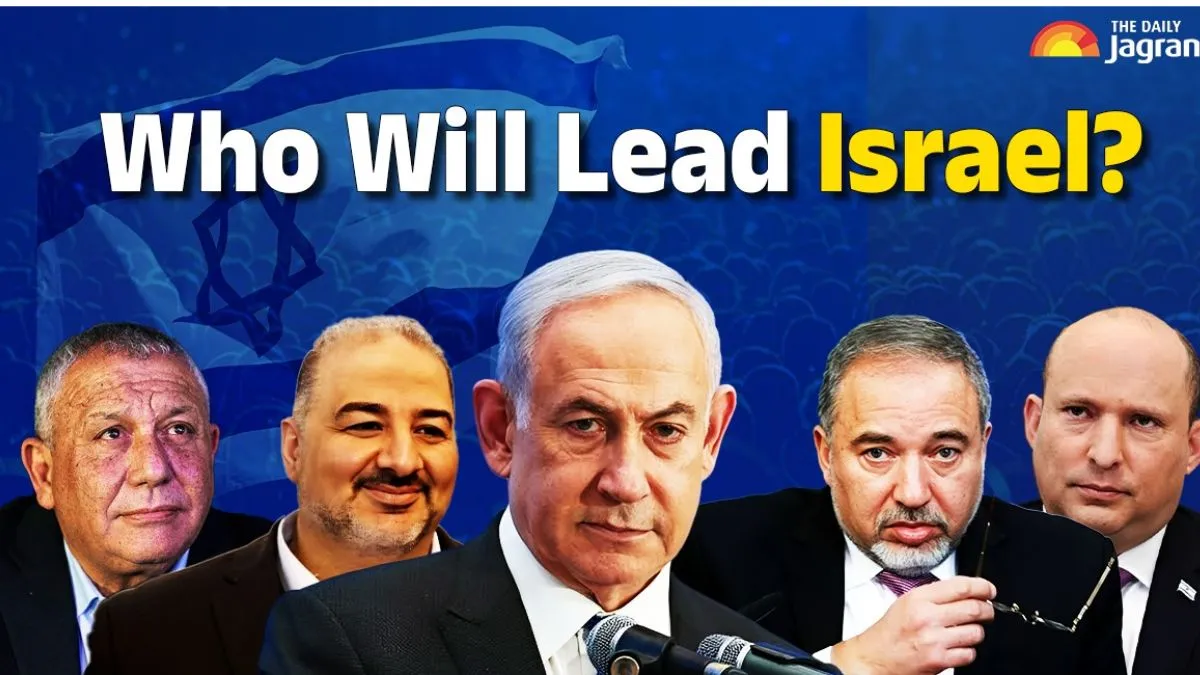
- Netanyahu faces major test in October 27 elections.
- Public anger over Gaza war is expected to impact election outcome.
- A coalition needs the support of at least 61 members in the 120-seat Knesset.
Israel Elections 2026: Israel is all set to vote on Tuesday in an election that is seen as a major test for Prime Minister Benjamin Netanyahu, who faces growing public anger over the October 7 Hamas attack and his government’s handling of the war in Gaza. The election also comes at a time when Israel is facing political divisions, security challenges, international criticism for actions against Palestinians and engagement in the US-Iran war.
Close Contest
Netanyahu’s Likud party is leading a right-wing bloc that includes ultra-Orthodox religious parties and far-right groups linked to ministers Itamar Ben-Gvir and Bezalel Smotrich. On the other hand, the opposition includes centrist and centre-left parties as well as right-wing politicians who have turned against Netanyahu. According to an opinion poll by Israel’s public broadcaster KAN, a close contest is expected, with the opposition bloc projected to win 52 seats and Netanyahu’s bloc winning 50. These results are only projections and do not mean the final result.
Top 5 Contenders
Apart from Netanyahu, there are several prominent faces contesting the election and directly challenging Netanyahu. Here’s a look at top 5 candidates:
1. Gadi Eisenkot
Gadi Eisenkot, a former chief of staff of the Israel Defense Forces (IDF) and the leader of the centrist Yashar party has emerged as the top contender in the electoral race. Eisenkot has built his political image around his military experience and promised voters of honest and responsible leadership. His public image is also shaped by a personal tragedy, in which he lost his son during combat in Gaza. Eisenkot presents himself as a serious alternative to Netanyahu, with a focus on national security and accountability.
Recommended For You
2. Naftali Bennett
Another strong contender is Naftali Bennett, a former Israeli PM and businessman. He comes from Israel’s political right but has also worked with centrist parties. He earlier helped form a coalition that removed Netanyahu from power in 2021. He has joined forces with former prime minister Yair Lapid through the Together alliance, and their campaign is focused on restoring stability.
3. Avigdor Lieberman
Avigdor Lieberman, leader of Yisrael Beiteinu and former defence minister, is also in the race. He was once a close ally of Netanyahu, however, he later became one of his strongest critics. He is known for his hard line stance on security and Palestinian armed groups. He has often argued that Netanyahu has not done enough to protect Israel.
4. Yair Golan
Another prominent candidate is Yair Golan, a former deputy chief of staff of the Israeli military . He leads the Democrats, a party rooted in Israel’s Labour and Meretz political traditions. He gained attention for his actions during the October 7 attacks, when he had helped people in danger. Golan represents the left-wing side of the opposition and is a fierce critic of Netanyahu’s leadership.
5. Mansour Abbas
Mansour Abbas, who leads Ra’am, an Arab-majority political party that represents part of Israel’s Palestinian Arab citizen community, is also among contenders. He made history in 2021 when his party joined a governing coalition. His campaign focuses on issues affecting Arab communities. While he may not appeal to a larger group of people, his party can emerge as an important partner in the coalition.
As Israel has a proportional representation system, a coalition needs the support of at least 61 members in the 120-seat Knesset. Even if Netanyahu’s bloc falls short, his defeat would not directly make one opposition leader prime minister. The parties would first have to agree on a coalition and then decide who will lead it.
You May Also Like To Watch: