
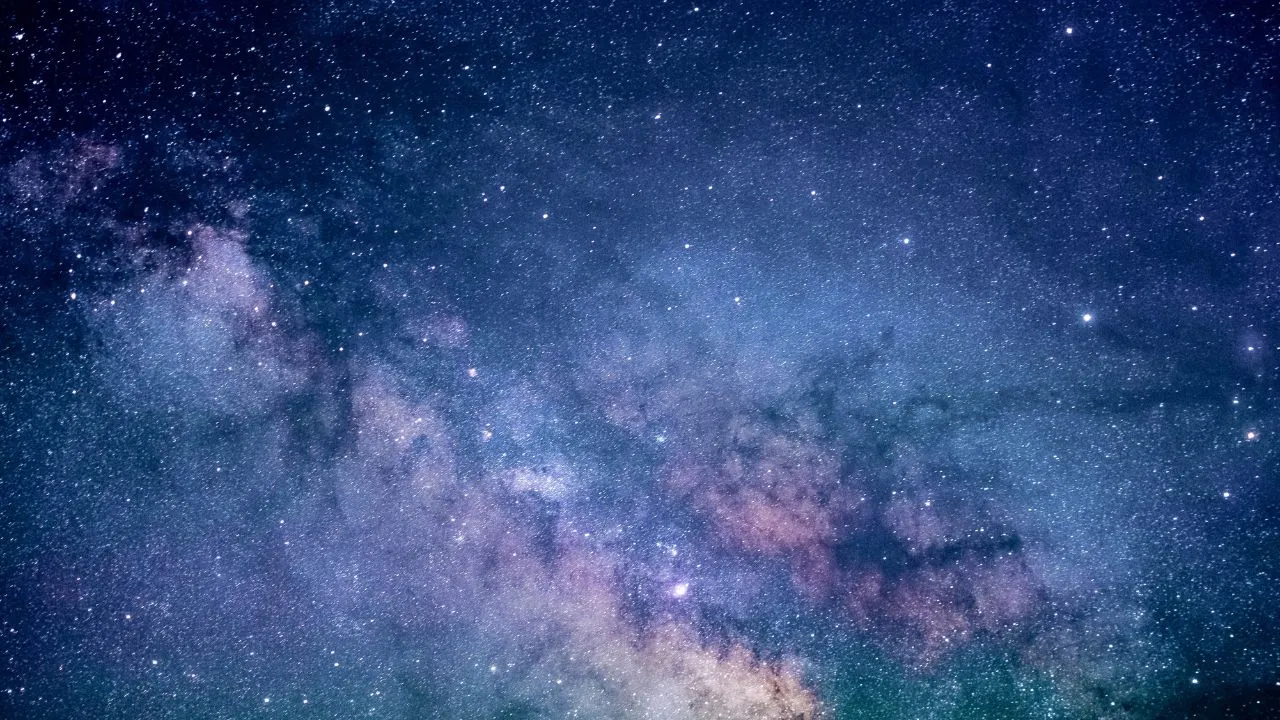
Bengaluru News: Bengaluru residents have a rare opportunity to witness a celestial phenomenon as six planets align in the night sky. This unique event, dubbed the ‘planetary parade’, is already in its peak phase and will remain visible until January 21, according to Chrisphin Karthick, a scientist at the Indian Institute of Astrophysics. However, he adds, the alignment will continue to be seen from Bengaluru until February 13.
The planets are currently aligned along the ecliptic plane, but not in a perfect straight line, contrary to popular images on social media. This alignment, which stretches across the eastern and western skies, is due to their current orbital positions, Karthick explained.
ALSO READ: Bengaluru Metro Update: Namma Metro Fare Likely To Rise By 40-50 Per Cent; BMRCL Approves Proposal
The Deccan Herald report quoted, B R Guruprasad, director of Bengaluru’s Jawaharlal Nehru Planetarium, stating that Venus, Mars, Jupiter and Saturn are visible without a telescope. Venus will appear brightest as a white dot, Mars will look reddish, Saturn will appear faint and Jupiter will shine as a white dot.
Recommended For You
For stargazers with binoculars, the four moons of Jupiter may also be visible, said Vijay Kapoor, founder of the Bangalore Astronomy Club. Meanwhile, Uranus and Neptune require a telescope for observation. Mercury will join the alignment soon, with better visibility expected on 8 March using a telescope, Guruprasad added.
The best time to witness this spectacle is after sunset, with 7.30 pm being ideal, according to Karthick. Clear skies without pollution or obstruction by tall buildings will provide the best viewing experience. Suggested spots near Bengaluru for an unobstructed view include Nandi Hills, Chikkamagaluru and Kodagu.
Bengaluru Stargazing Tours
For enthusiasts, stargazing tours are also being organised. RiSa Astronomy is hosting tours to Kodagu and Denkanikottai on 24 and 25 January, featuring streaming and solar telescopes. The Great Beyond will take groups to Chikkaballapur on 25 and 26 January, providing multiple telescopes for day and night stargazing.