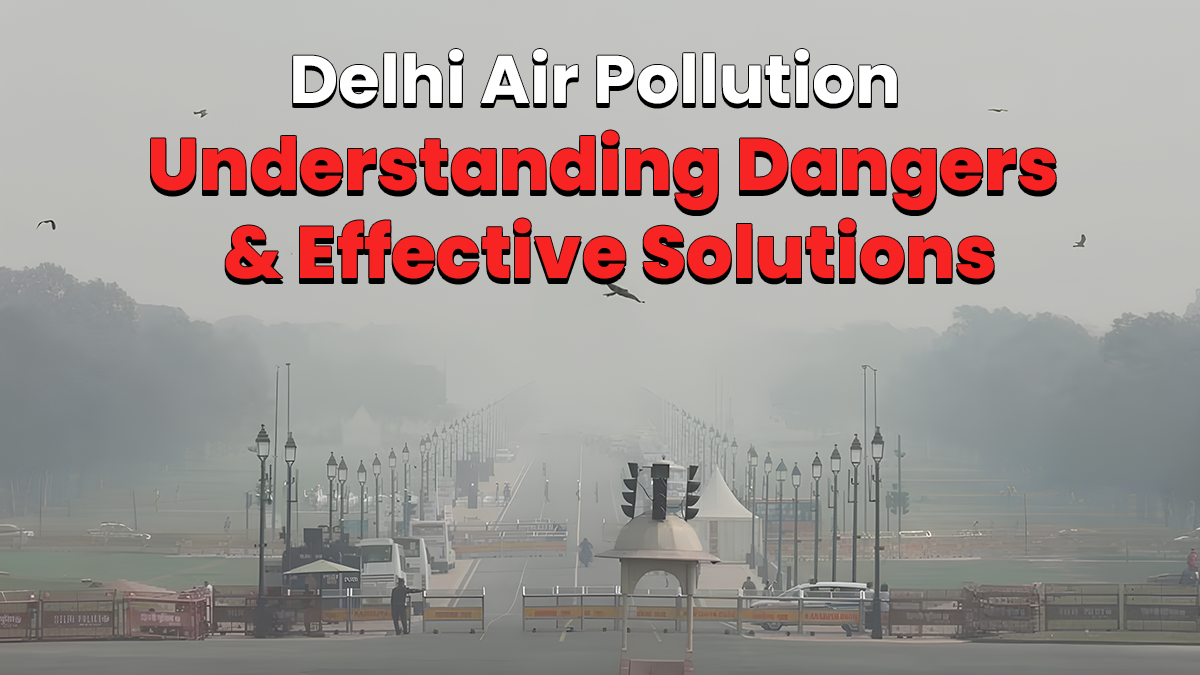
Delhi, the capital of India, has been grappling with a severe air pollution crisis for many years, consistently ranking among the world's most polluted cities. The primary culprit behind this alarming situation is the high concentration of particulate matter (PM) in the air, primarily PM2.5 and PM10. PM2.5 and PM10, with diameters of 2.5 micrometres and 10 micrometres or less, respectively, are particularly hazardous due to their ability to penetrate deep into the lungs and bloodstream. Exposure to these particles can lead to a range of adverse health effects, including: respiratory problems, heart disease and premature death. These microscopic particles, emitted from various sources such as vehicles, industries, and open burning of waste and crops, pose a grave threat to public health. Particulate matter is a complex mixture of solid and liquid particles suspended in the air.
During the winter season, Delhi's air quality deteriorates sharply, with the city shrouded in a thick blanket of smog. This phenomenon is primarily caused by a combination of factors. Delhi's unique geographical location and meteorological conditions trap pollutants, preventing their dispersion. Farmers in neighbouring states burn agricultural stubble after harvesting, contributing significantly to Delhi's air pollution. The city's burgeoning vehicular population is a major source of PM emissions. Industries, particularly those in the construction and power sectors also contribute to air pollution.
The air pollution crisis in Delhi poses a serious threat to the health of its residents. The city has the highest rate of respiratory illnesses in India, and a significant portion of its population suffers from chronic respiratory conditions. Air pollution is estimated to cause thousands of premature deaths in Delhi each year. Addressing Delhi's air pollution crisis requires a multifaceted approach that targets all major sources of emissions. Several measures have already been implemented.
Odd-Even Scheme Back In Delhi
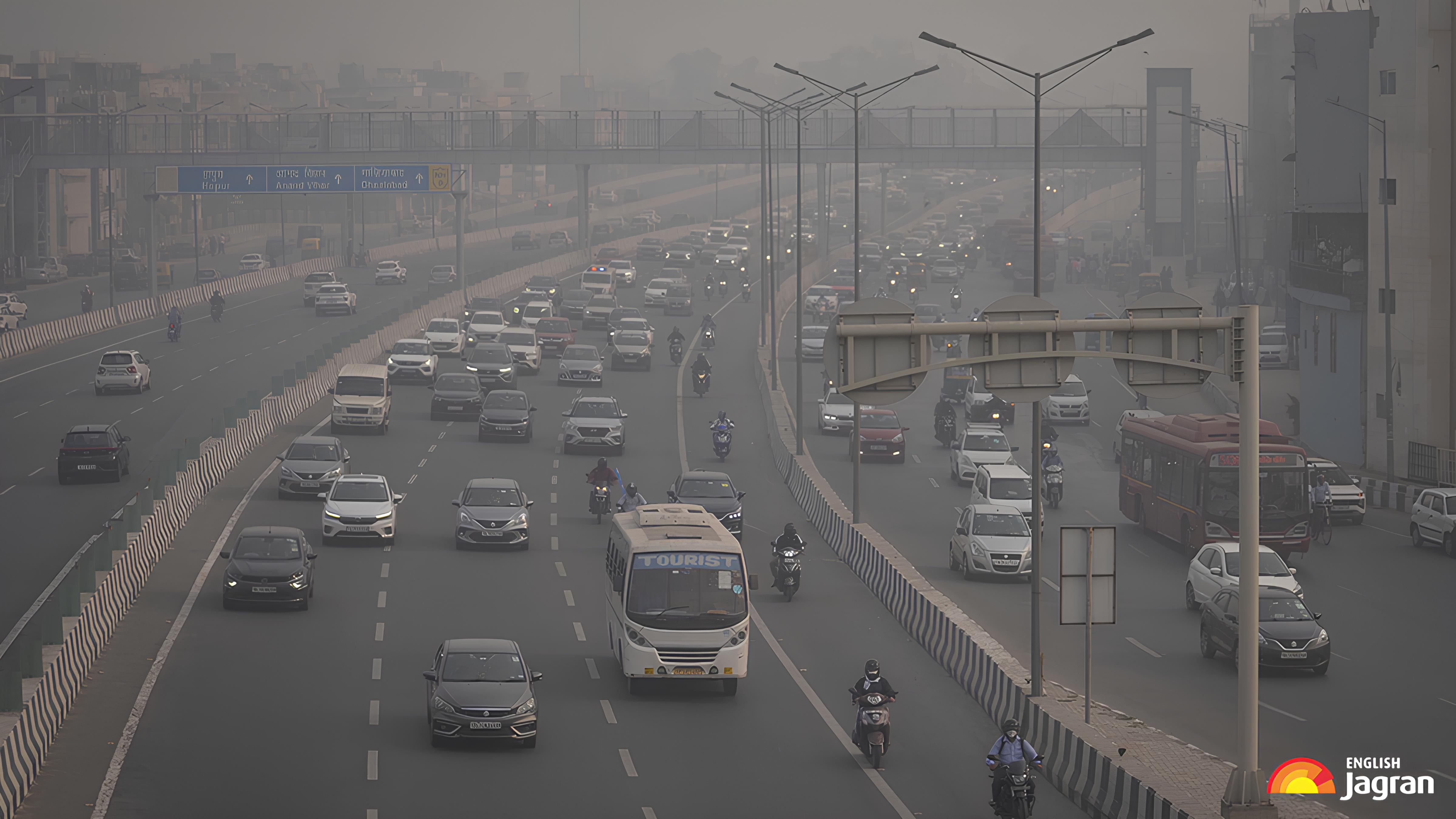
The Delhi government has announced the return of the odd-even scheme for a week beginning the morning after Diwali, which falls on November 12. According to the Central Pollution Control Board (CPCB) data, the average air quality index (AQI) reading in Delhi was 421 on Monday, with PM2.5 being the prominent pollutant. The AQI over the past few days has consistently been above 450. The odd-even scheme will be implemented for the fourth time in Delhi in the last seven years. It is considered one of the most drastic responses to the annual spike in air pollution that the capital and its neighbouring areas experience around this time.
What Is Odd-Even Scheme
When the scheme is in force, cars can run on alternate days based on their registration number. Cars with numbers ending in an odd digit will be allowed on the street on odd dates, while those with numbers ending in an even digit will be allowed on even dates. The idea behind this scheme is to reduce the number of cars on the road by roughly half, which the Delhi government hopes will bring down AQI levels to some extent.
The scheme was previously implemented twice in 2016 and once in 2019. Certain categories of vehicles were exempt from the scheme, including taxis running on compressed natural gas (CNG), cars driven by women for safety reasons, electric and hybrid vehicles, and all two-wheelers. According to the Delhi Transport Department, there are approximately 7.5 million active Delhi-registered vehicles currently, with cars accounting for about a third of that number. Therefore, the odd-even scheme would mean that around 1.25 million cars would go off the roads each day, not considering electric and hybrid vehicles.
Vehicular emissions are considered one of the major contributors to Delhi's air pollution. However, there are multiple factors behind the current crisis. Delhi's geographical location in a shallow atmospheric 'bowl' makes it prone to trapping pollutants easily. Combined with falling temperatures and slow wind speeds, pollutants in the air tend to hang low over the surface, leading to the formation of smog. In addition to vehicular emissions and road dust, the smoke from agricultural fires in Punjab and Haryana also contributes to Delhi's air pollution during this time. Farmers burn stubble in their fields after the kharif crop has been harvested to prepare for the rabi crop. A study by the Centre for Science and Environment (CSE) found that farm fires have contributed up to 40 per cent of the PM 2.5 concentration in the air in past years. This year, biomass burning contributed 35 per cent, 20 per cent, and 21 per cent to the PM 2.5 concentration in Delhi on November 3, 4, and 5, respectively. While farm fires have a significant impact during a specific period, their contribution to Delhi's overall air pollution for the entire year is around 3 per cent or less. Several studies have indicated that local sources, including vehicles, are the primary contributors to Delhi's air pollution, with vehicles accounting for up to 30 per cent of the city's annual PM 2.5 concentration. Vehicles also emit other pollutants such as NO2, with levels of this gas increasing by as much as 60 per cent compared to the same time last year, according to the CSE.
Has the Odd Even Helped Bring Down Air Pollution in the Past?
After the 2019 scheme was implemented, an analysis was conducted comparing AQI levels in Delhi with those in Gurugram, Ghaziabad and Noida, where the odd-even scheme was not implemented. The results showed that the average AQI decreased most significantly in Delhi, where the odd-even scheme was in place. During the odd-even period, the average AQI in Delhi was 41 points lower compared to the period before its implementation. In contrast, Gurugram experienced a slight increase in AQI, while Noida and Ghaziabad showed small reductions.
However, experts caution that determining the exact impact of an individual measure on air pollution is challenging. Air quality depends on various factors, and attributing the effect solely to the odd-even scheme would overlook other contributing factors. For instance, on the first day of the scheme's implementation, strong winds were observed in the city, leading to a significant reduction in AQI. Given the inevitable hardships the odd-even scheme may cause, it is important to assess its effectiveness. The scheme has been tried in various forms in cities like China, Mexico and France, and its efficacy has been debated extensively. Therefore, it is important to consider all factors at play when evaluating the effectiveness of the odd-even scheme.

Collective Effort Needed For Cleaner Future
While these measures are commendable, a collective effort from the government, industries, and citizens is crucial to effectively address Delhi's air pollution crisis. Public awareness campaigns, stricter enforcement of regulations, and a shift towards sustainable practices are essential to create a cleaner and healthier environment for the city's residents.
In recent years, the problem has been exacerbated by the practice of stubble burning, which is the burning of crop residue after harvest. This practice is common in the states surrounding Delhi, and the smoke from the burning travels to the city, contributing to the already high levels of pollution.
Impact of Air Pollution On Health And Environment
The impact of air pollution on health and the environment cannot be overstated. In Delhi, the high levels of pollution have been linked to a range of health problems, including respiratory diseases, heart disease, stroke, and even cancer. Children and the elderly are particularly vulnerable to the effects of air pollution. In addition to its impact on human health, air pollution also has a significant impact on the environment. It contributes to climate change, damages crops, and harms wildlife. It's clear that action needs to be taken to address this crisis, both for the sake of human health and the environment.
Analysing Role Of Stubble Burning In Delhi's Air Pollution
Stubble burning is a major contributor to Delhi's air pollution crisis, and it's important to understand the role it plays in the problem. Stubble burning is the burning of crop residue after harvest, and it's a common practice in the states surrounding Delhi. The smoke from the burning travels to Delhi, contributing to the already high levels of pollution in the city. To tackle this problem, the government has implemented a range of measures, including a ban on stubble burning. However, enforcement of the ban has been a challenge, and many farmers continue to burn their crop residue due to a lack of alternatives.
One solution to this problem is the use of Happy Seeder machines, which allow farmers to plant crops without having to burn their crop residue. The government has offered subsidies to farmers to encourage them to use these machines, and this has been successful in reducing the amount of stubble burning in some areas.
Effective Policies to Combat Air Pollution In Delhi
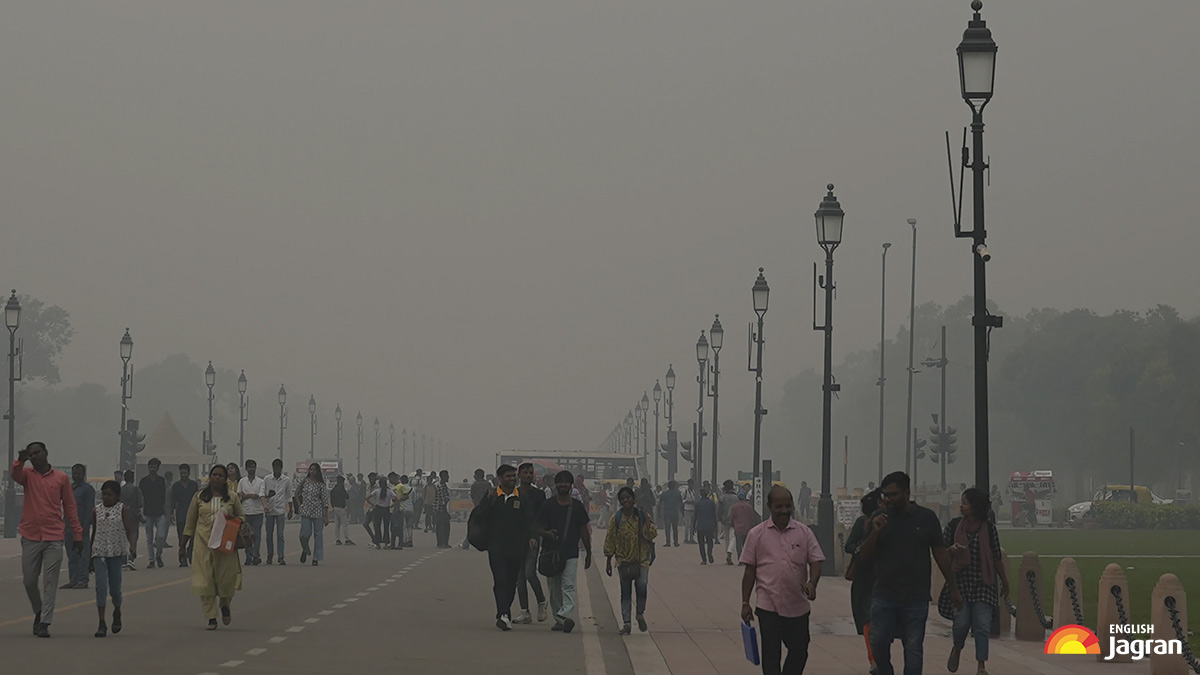
The government has implemented a range of initiatives and policies to combat air pollution in Delhi. The Graded Response Action Plan (GRAP) is one such policy. It is a comprehensive plan that outlines measures to be taken in response to different levels of air pollution. The plan includes measures such as banning certain types of vehicles, closing schools, and imposing fines on polluting industries.
The National Clean Air Programme (NCAP) is another policy which basically is a long-term plan that aims to reduce air pollution in the 102 most polluted cities in India, including Delhi. The plan includes measures such as setting up air quality monitoring systems, promoting electric vehicles, and reducing industrial emissions.
Encouraging the use of public transport, such as buses and trains, can help reduce the number of vehicles on the roads and thereby reduce air pollution. Encouraging people to cycle or walk instead of using cars can also help reduce air pollution. This can be achieved by building cycle lanes and pedestrian paths, and by promoting the benefits of cycling and walking.
Industries are a major contributor to air pollution, and measures need to be taken to reduce their emissions. This can be achieved through the use of cleaner technologies, and by imposing stricter regulations on polluting industries. Open burning of waste and crops needs to be reduced, and alternatives need to be provided to farmers. This can be achieved through the use of composting and other waste management techniques, and by promoting the use of Happy Seeder machines.
To combat the severe pollution crisis, IIT Kanpur is working on implementing artificial rain. Scientists at IIT Kanpur had obtained an aircraft from ISRO (Indian Space Research Organisation) in 2018 to induce artificial rain in the national capital. The technique they are planning to use is called the hygroscopic method, which involves dispersing salts through flares or explosives in the lower portions of clouds. The preparations for artificial rain have been made, but the scientists are waiting for the meteorological conditions to be favourable for cloud seeding.
Case Studies Of Successful Air Pollution Reduction Efforts In Other Cities Across Globe
While Delhi's air pollution crisis is a complex problem, there are examples of other cities that have successfully tackled similar problems. For example, in Beijing, the government implemented a range of measures, including closing polluting factories and promoting the use of electric vehicles, which helped to reduce air pollution levels significantly.
Cloud seeding, the process used to create artificial rain, involves combining different chemical agents with existing clouds to thicken them and increase the chance of rainfall. The agents used include silver iodide, dry ice, and even common table salt. The dispersion of these substances into the air is typically done from an aircraft.
China has been using cloud seeding for many years to create rain, and countries like the US, Israel, South Africa, and Germany have also employed this technology. The hygroscopic method being used by IIT Kanpur involves dispersing salts through flares or explosives in the lower portions of clouds. The salts grow in size as water joins with them, leading to rainfall.
In London, the introduction of the Congestion Charge, which charges drivers for entering certain areas of the city, helped to reduce the number of cars on the roads and thereby reduce air pollution. Public awareness and education are key to combating air pollution. By educating people about the causes and effects of air pollution, individuals can be empowered to take action to reduce their own contribution to the problem. This can be achieved through public awareness campaigns, school programs, and community initiatives.