

Burden Of COPD In Winters: COPD or Chronic Obstructive Pulmonary Disease, is one of the major health concerns in India. Winters bring their own set of challenges that make the condition more severe. Environmental and physiological factors during the colder months worsen symptoms, making it a difficult season for people living with this chronic respiratory condition.
In a conversation with Jagran English, Kuldeep Kumar Grover, Head of Critical Care and Pulmonology - CK Birla Hospital, Gurugram explains that cold air is thick and hostile to the respiratory system, which makes patients with COPD suffer from more constriction of bronchi and worsening of breathlessness, wheezing and coughing.
Further aggravating this condition are the high levels of severe air pollution that many areas in India experience during winter months, especially in the northern states. Smog, which is a mixture of smoke, fog, and fine particulate matter (PM2.5 and PM10), severely irritates the airways and decreases lung function, thus resulting in frequent flare-ups.
Indoor Hazards
While outside air quality is a serious issue, indoor environments also pose a threat in winter. Many households in rural and semi-urban India depend on biomass fuels like wood, cow dung cakes, and crop residues to cook and heat their homes, which emit smoke that worsens COPD symptoms. They have increased vulnerability for women and the elderly because they usually spend hours indoors.
Infections in the Cold
Winter is also a time of peak prevalence for respiratory infections, which are some of the most common precipitants for exacerbations of COPD. Viral infections, such as influenza, are much worse during colder months, leading to significant exacerbation of symptoms and risk for serious complications. These infections frequently result in hospitalizations, so it is a very high-risk time for those with COPD.
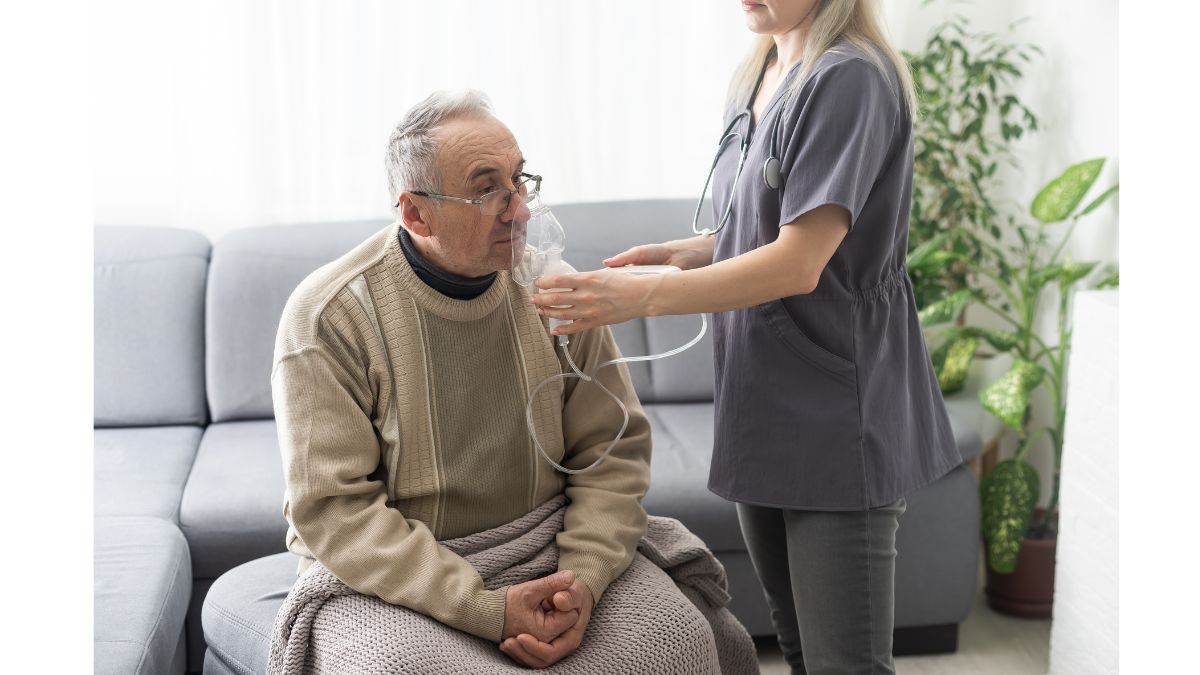
COPD Burden In Winters (Image Credits: Canva)
Interventions for Relief
- Reducing Air Pollution: Improvement of outdoor air quality through stricter emission norms along with promotion of clean-cooking technologies is important.
- Vaccination: The availability of the influenza and pneumococcal vaccines would prevent more seasonal infections.
- Preventive Measures: Wearing masks, reducing outdoor travel on high-pollution days, and improving indoor ventilation are easier measures.
- Access to Care: Adequate availability of medications like inhalers, bronchodilators, and corticosteroids, along with timely medical consultations, is critical to managing exacerbations of COPD.
Winters in India intensify the challenges facing those with COPD and, thus, make the management of this disease even more challenging during this season. Triggers for worsening symptoms and lower quality of life are represented by cold air, pollution, and an increased susceptibility to infection.
It is therefore essential to incorporate a proactive approach, reduce the environmental triggers, strengthen the preventive measures and guarantee easy access to medical treatment in time. Prioritising respiratory health and executing viable interventions can help alleviate those with COPD the effects of the harsh winter months better. It requires concerted efforts of individuals, communities and policymakers to alleviate the burden and improve lives throughout the nation.
ALSO READ: Living With Lung Disease: Expert Advice On Managing Symptoms And Improving Quality Of Life
ALSO READ: Understanding COPD: Expert Explains Causes, Symptoms, Risk Factors And Treatment