
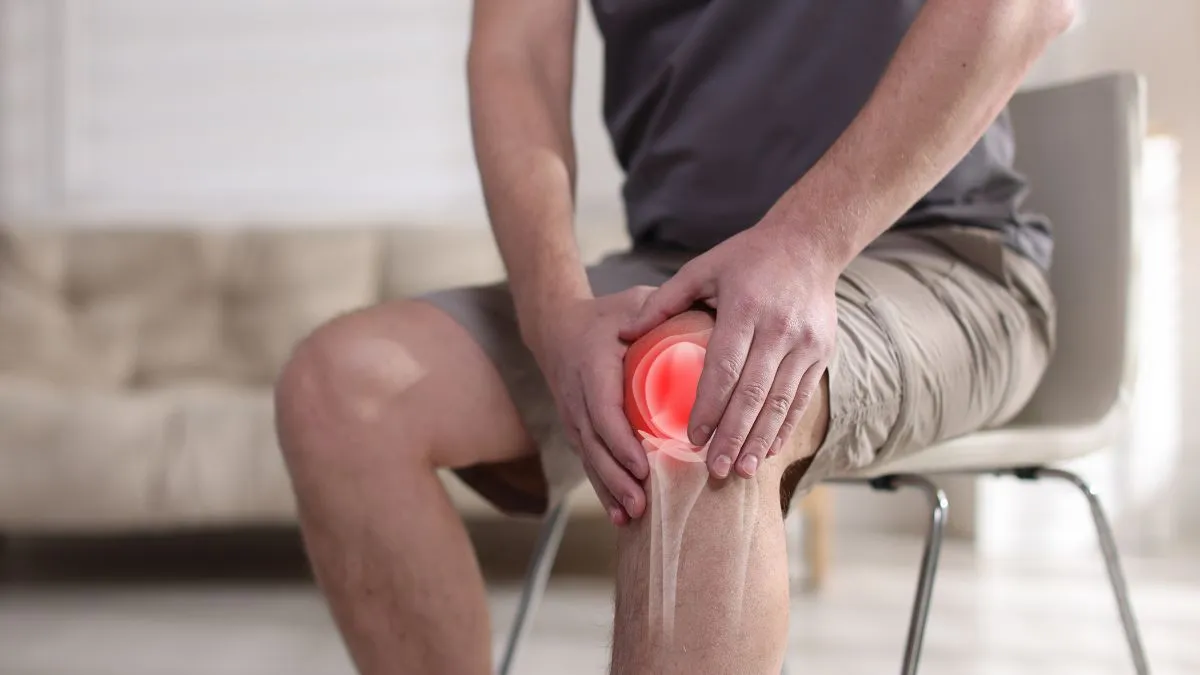
With winter chill rolling in, patients of arthritis have long blamed cold temperatures, which they claim make them suffer more joint pain. But in reality, doctors and experts have had enough of this misconception, attributing it to a change in barometric pressure instead, causing joints to swell. Several myths surrounding arthritis, which range from joint pain being relieved in high-humidity conditions to winter making medications ineffective, have long resulted in patients refraining from exercising and overdressing, which in turn results in increased muscle tension.
Unfortunately, this season is also filled with misconceptions about what winter does or does not do to the joints. Understanding the difference between myths and facts helps patients manage symptoms more effectively. In conversation with The Daily Jagran, Jeevan Kasra, Chairman at Steris Healthcare, busts myths about winter arthritis.
Myth vs Facts: Winter Arthritis
Myth 1: Winter Causes Arthritis
This is entirely untrue. Arthritis results from wear-and-tear, autoimmune processes, genetics, age, or injuries. Winter does not create arthritis; it only highlights pre-existing joint vulnerabilities.
ALSO READ: Can Ayurveda Truly Cure Joint Pain And Arthritis? Doctor Shares Insights
Myth 2: Pain Increases Because Joints “Freeze”
Joints do not freeze. What actually happens is that cold weather causes surrounding muscles, ligaments, and tendons to tighten. Jeevan Kasra states, “Reduced circulation and lower barometric pressure contribute to stiffness and a sensation of heaviness around the joint.”

Winter Arthritis Myths Busted (Image Credits: Canva)
Myth 3: Exercise Should Be Avoided During Winter
Many patients stop exercising out of fear that cold activity will worsen arthritis. In fact, controlled movement is one of the best ways to reduce pain. Regular stretching, indoor walking, and strengthening routines enhance joint mobility and reduce inflammation.
Myth 4: Painkillers Are The Only Solution
Medication helps, but it is not the sole answer. Lifestyle measures—warm clothing, hot compresses, physiotherapy, weight control, and nutritional support—play a major role in managing winter flare-ups.
ALSO READ: Juvenile Arthritis & Diet: Doctor Shares Diet Tips That Can Ease Pain And Boost Growth
Facts worth knowing include the importance of Vitamin D, which often declines in winter due to reduced sunlight. Low levels can worsen musculoskeletal discomfort. Hydration is another overlooked factor; people drink less water in winter, which can aggravate stiffness.
Patients with rheumatoid arthritis may notice increased sensitivity, not because the disease becomes more active due to cold, but because winter intensifies inflammation-related discomfort. Staying warm, maintaining exercise, and following a structured medical plan help keep symptoms under control.
Winter is a challenging season for arthritis patients, but understanding the scientific realities empowers better choices. With the right information and guidance, joint comfort and mobility can be maintained throughout the colder months.