

Maintaining adequate calcium levels is crucial for strengthening bones and preventing issues like bone pain, toothaches and muscle pain. While a calcium-deficient diet is often blamed for these problems, certain foods can actually deplete the calcium stored in our bones. Unbeknownst to many, consuming these specific foods can lead to a gradual weakening of the bones. This calcium depletion can exacerbate existing bone-related problems, making it essential to be aware of these foods and their potential impact on our bone health.
By understanding which foods to limit or avoid, we can take proactive steps to maintain strong and healthy bones and prevent unnecessary discomfort. Here, we've listed the foods that might secretly deplete calcium levels in the body.
Foods That Reduce Calcium In Body
Salt
Excessive salt consumption increases sodium levels in the body, prompting the kidneys to excrete excess sodium through urine. Unfortunately, this process also leads to the elimination of calcium, potentially reducing bone density and elevating the risk of osteoporosis.
Caffeine
Caffeine in coffee, tea and soft drinks hinders calcium absorption, leading to its loss through urine and potentially weakening bones. To minimise this effect, limit daily coffee consumption to two cups and balance it with calcium-rich foods like milk and curd to prevent deficiency and maintain strong bones.
ALSO READ: 5 Best Ways To Increase Calcium Absorption From Milk
Liquor
Heavy drinking interferes with the body's ability to absorb calcium while also disrupting the cells responsible for building strong bones. Prolonged drinking can lead to weakened bones, making it essential to avoid alcohol altogether and instead focus on a diet rich in calcium and vitamin D to support bone health.
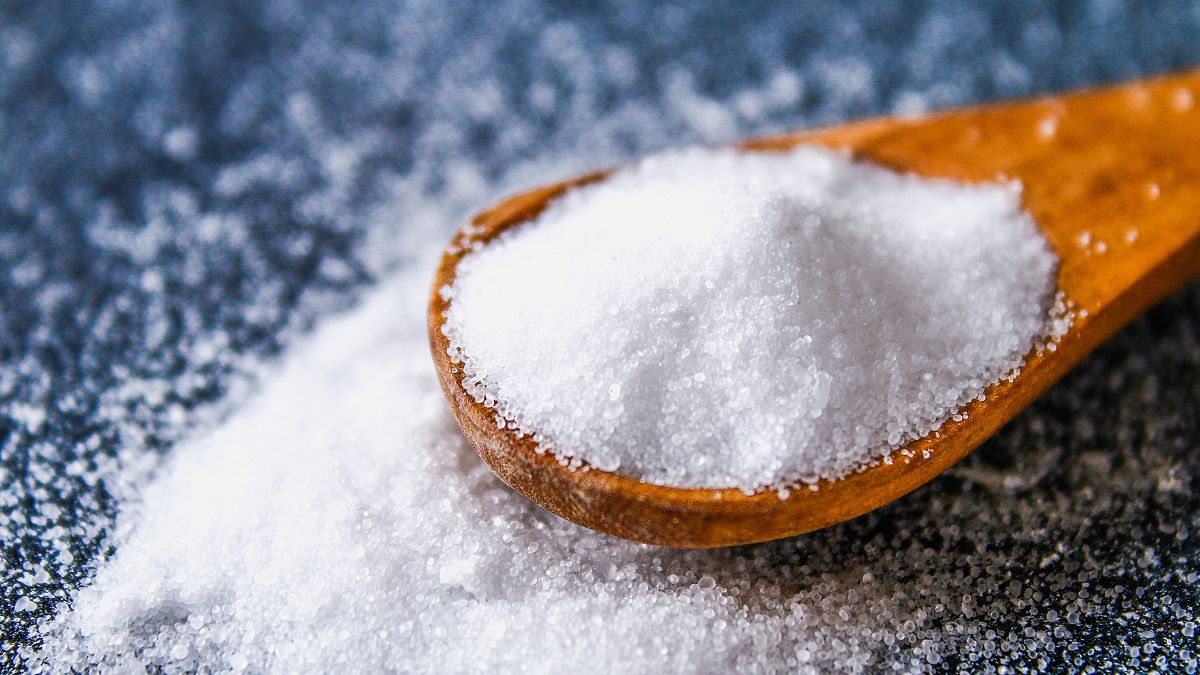
Foods that reduce calcium (Image Credits: Canva)
High-Protein Diet
While protein is essential, excessive consumption of non-veg, supplements or protein shakes can lead to calcium loss. Animal protein, in particular, contains sulfur and amino acids that increase calcium excretion. To minimise this effect, maintain a balanced protein intake and incorporate plant-based options like lentils, soybeans and nuts.
ALSO READ: Doctor Shares Simple Lifestyle Tips For Youth Bone Health: Habits To Avoid For Arthritis Prevention
Soft Drinks
Phosphoric acid in soft drinks and soda binds to calcium, leading to its depletion and a subsequent decrease in bone density. This increases the risk of fractures. To avoid this, opt for healthier alternatives like coconut water, buttermilk or fruit juice instead of soft drinks to support bone health.
Disclaimer: This content, including suggestions and advice, provides generic information only. It is in no way a substitute for qualified medical opinion. Always consult a specialist or your own doctor for more information before making any drastic changes in your lifestyle.