
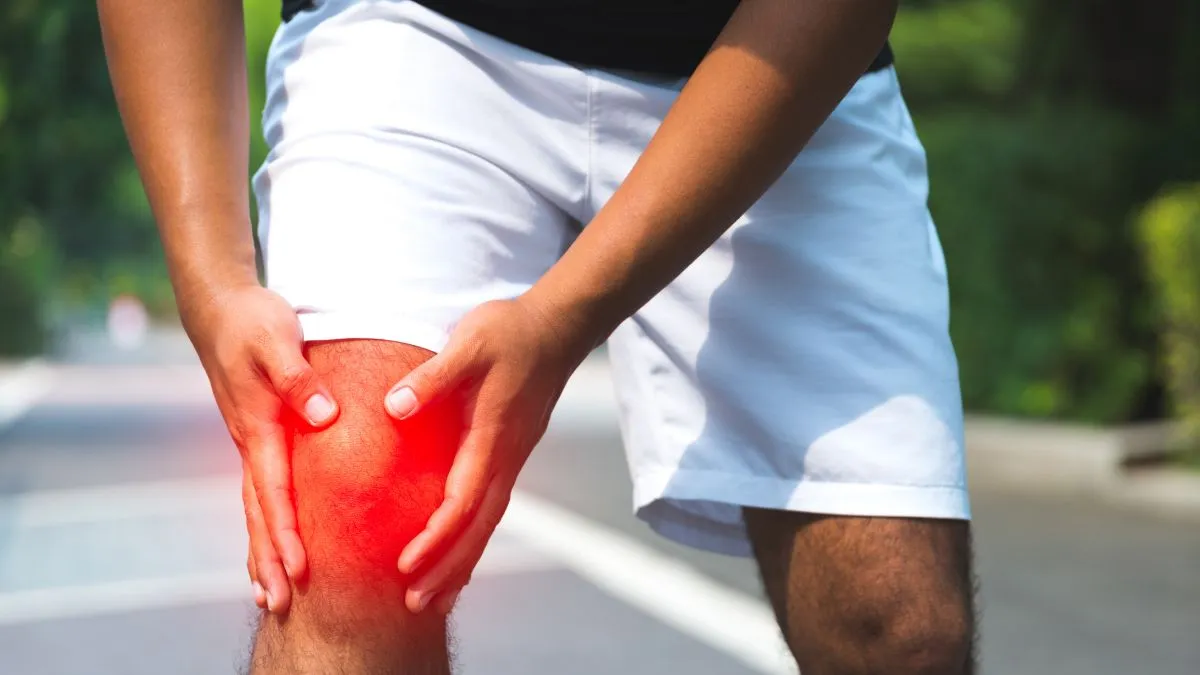
It's simple to write off joint pain as a natural part of ageing. However, increasing clinical data indicate that if you have a markedly decreased walking cadence and/or knee stiffness, joint deterioration could be occurring. These symptoms are frequently inconspicuous (and disregarded) or confused with regular wear. But if treatment is not taken, these early signs of joint fatigue can develop into chronic conditions that affect many aspects of mobility and well-being.
In a conversation with Jagran English, Dr. ShrikanthMadikattu, Consultant – Orthopaedics, Manipal Hospital, Baner, Pune shared warning signs of joint deterioration.
Signs Of Joint Deterioration
As they age, people in their 40s, 50s and even younger adults can develop tight knees after sitting for extended periods of time or waking up in the morning. However, chronic knee stiffness can be caused by more than just ageing; in certain cases, it's the body's way of warning one to early cartilage degradation, inflammation and probably a lack of lubrication in the joint.
ALSO READ: Why Your Rings And Shoes Suddenly Feel Tight? Doctor Shares Warning Signs Of Joint Inflammation
On the other hand, walking speed will often decline slowly. After being active for a while, this decline can start with a general heaviness in the legs, trouble climbing stairs or perhaps a little limp. It's important to realise that all these changes could be made subconsciously to help the person avoid pain or discomfort. Slowed gait is more than just fatigue; it could be the initial indication of musculoskeletal imbalance or degenerative joint disease.
Recommended For You
We know that this issue is exacerbated by our contemporary, sedentary lifestyle, repetitive joint strain, extra body weight, previous injuries and weak muscles. It is difficult to repair damaged cartilage and there are no longer any standard techniques for doing so. Ongoing stress on the joints might be caused by inflammation and thickening of the synovial membrane, poor posture that leads to micro damage or misalignment of the kneecap.
ALSO READ: Can Ayurveda Truly Cure Joint Pain And Arthritis? Doctor Shares Insights
If they are using a delay strategy, when person finally stop complaining about the knee, now they can diagnose conditions like osteoarthritis that is the natural breakdown of the cartilage in the knee and present itself slowly as swelling and pain in general and as it progresses lose the function of the joint altogether. There could be other problems as well, such as meniscus tears or the onset of ligament laxity, particularly if the stiffness follows a sports injury.