Winter conditions commonly worsen arthritis symptoms, rigidity and bone fractures in seniors due to the cold weather, which leads to increased fluid viscosity within joints, thereby reducing flexibility. Atmospheric pressure decreases lead to swelling, whose irritation on nerves increases pain, as well as decreased blood flow due to constricted blood vessels reaching the extremities. Seniors with arthritis or osteoporosis experience increased vulnerability since cartilage becomes weakened with age, as well as decreased activity encouraged by cold weather conditions leading to muscle weakness.
Doctors and physicians indicate decreased sunlight intensifies bone weakness since Vitamin D levels decrease, thus increasing the risk of fractures from slipping on icy surfaces. With older individuals, the cold weather of winter causes contraction of muscles to secure joint places, which tug on tendons, resulting in increased joint stiffness, notably in knees and hips. In conversation with The Daily Jagran, Dr. Murtaza Adeeb, Consultant Orthopaedic & Joint Replacement Surgeon, Inamdar Hospital, Pune, shares how winter triggers joint pain in seniors.
Why Winter Triggers Joint Pain In Seniors?
When the temperatures fall, the blood vessels in the arms and legs constrict in an effort to conserve body heat. Less warm blood reaches the joints and surrounding muscles, making them stiffer and less flexible. To a knee or hip already compromised by osteoarthritis, that extra stiffness translates to more friction inside the joint, and more pain with every step. Dr. Murtaza Adeeb states, “Changes in air pressure during cold, damp weather have an impact on soft tissues around joints.” Swollen joint linings and stretched pain-sensitive nerve endings make seniors feel every small movement as discomfort or a dull ache-especially in weight-bearing joints like knees, hips and spine.
ALSO READ: Does Winter Really Worsen Arthritis? Expert Busts 4 Myths That Are Making Your Joints Hurt More
How Winter Quietly Weakens Bones?
Winter sets the stage for long-term bone weakening in several ways. Shorter days and fewer sun-exposed outdoor activities reduce vitamin D formation in the skin, and low vitamin D directly affects calcium absorption and bone strength, speeding up age-related bone loss in seniors. Dr. Murtaza Adeeb states, “Cold weather encourages less physical activity, leading to muscle loss and deconditioning.” When protective muscles around knees, hips, and spine weaken, the load shifts back onto already fragile joints and bones, increasing the risk of arthritis flares and falls. Festive foods, reduced movement, and weight gain put more pressure on each knee with every step, accelerating cartilage wear and tear.
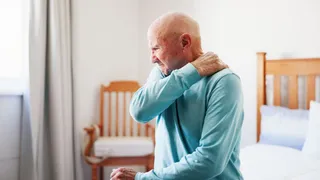
Winter Joint Pain In Seniors (Image Credits: Canva)
What Should Seniors Do?
Patients should remain gently active indoors, keep joints warm, check vitamin D and calcium levels, hydrate well, and maintain a healthy body weight during the winter months. More importantly, winter joint pain should not be dismissed as “normal old age.” Persistent pain, swelling, difficulty climbing stairs, or morning stiffness that lasts for more than 30 minutes calls for a timely check-up with an orthopaedic specialist before a “winter ache” progresses into permanent disability.
ALSO READ: When Should You Use Heat And Ice For Joint Pain? Know From Doctor
Prioritising joint care in winter provides relief and guards against bone fractures, and ensures senior independence. Exercise, warm compresses, and vitamin D-rich food improve circulation and senior bone density, just as doctors prescribe. Adopting these tips from doctors ensures seniors experience pain-free winters