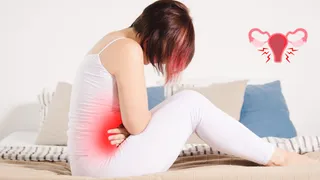
Endometriosis is a condition in which tissue similar to the lining of the uterus begins growing outside the uterus—on the ovaries, fallopian tubes, or the outer part of the uterus. This tissue behaves like the uterine lining; it breaks down and bleeds during the menstrual cycle. However, unlike menstrual blood, this blood cannot leave the body, which causes swelling or inflammation, scarring, and pain. In a conversation with Jagran English, Dr. Garima Sawhney, Senior Gynaecologist and Co-founder of Pristyn Care, talked about what endometriosis is and what its symptoms are, especially in teenagers.
Symptoms To Look Out For
Teenagers experiencing the following symptoms should get checked for endometriosis:
- Abnormally painful menstrual cramps
- Severe pelvic pain—before, during, and after menstruation
- Painful intercourse
- Heavy or irregular menstrual bleeding
- Fatigue and nausea during periods
- Experiencing these symptoms should not be dismissed as normal.
Early Diagnosis
Endometriosis can be difficult to diagnose, especially in teenagers, due to overlapping symptoms. It is often mistaken for menstrual cramps, irritable bowel syndrome, or other conditions. Early diagnosis can be achieved through:
Medical History
- Physical examination
- Imaging tests like ultrasounds or MRIs
- Laparoscopy: The most accurate way to diagnose endometriosis is through a minor surgical procedure called laparoscopy, where a doctor can see inside the abdomen and take tissue samples.
Why Early Diagnosis Is Important?
Early diagnosis helps manage symptoms effectively and prevents the condition from worsening. If left untreated, endometriosis can lead to severe pain, infertility, and other complications. Detecting it early allows for better management and can prevent long-term damage.
What Are The Preventions?
Currently, there is no known way to completely prevent or cure endometriosis. It is important to understand that developing endometriosis is not your fault. However, managing stress, maintaining a healthy diet, and regular exercise can be helpful.
Also Read: World Oral Health Day 2025: 5 Reasons Why Your Oral Health And Hygiene Is Important
What Is The Proper Treatment?
While there is no cure for endometriosis, several treatments can help manage the symptoms:
- Pain Relief: Nonsteroidal anti-inflammatory medication
- Surgery: In severe cases, surgery may be needed to remove endometrial tissue or cysts. This is more common in women who do not respond to other treatments.
- Lifestyle Changes: Diet modifications, physical therapy, and stress management techniques can help control symptoms and improve quality of life.