

- By Anushka Shalya
- Wed, 16 Sep 2026 04:04 PM (IST)
- Source:JND
Located in the serene Kangra Valley, Himachal Pradesh, the Jwalamukhi temple, also known as Jwala Ji temple, stands as a symbol of devotion, faith and mystery. It is one of the Shaktipeeths and is dedicated to Goddess Jwalamukhi, the deity of the eternal flame.
For centuries, the flame of the temple is believed to be burning continuously without oil, wick, or external fuel. For devotees, the flame symbolically represents the divine presence.
Let's understand in detail the mystery behind the eternal flame at Jwala Temple.
Religious Significance of Jwala Temple
Jwala Ji Temple holds immense significance to devotees. The temple is dedicated to Goddess Jwalaamukhi, who is a form of Goddess Sati. The most interesting thing about this sacred shrine is that people don't worship a physical idol but natural flames, considering them the manifestation of the deity.
According to mythology, the eternal flames are connected with Sati. When Lord Vishnu dismembered Sati's body into 51 parts, her tongue is believed to have fallen into this place, giving birth to the sacred flames that rise from the temple's crevices. These flames are believed to represent her yogic power. According to devotees, the flames represent either the seven heavenly sisters or the nine forms of Goddess Durga.
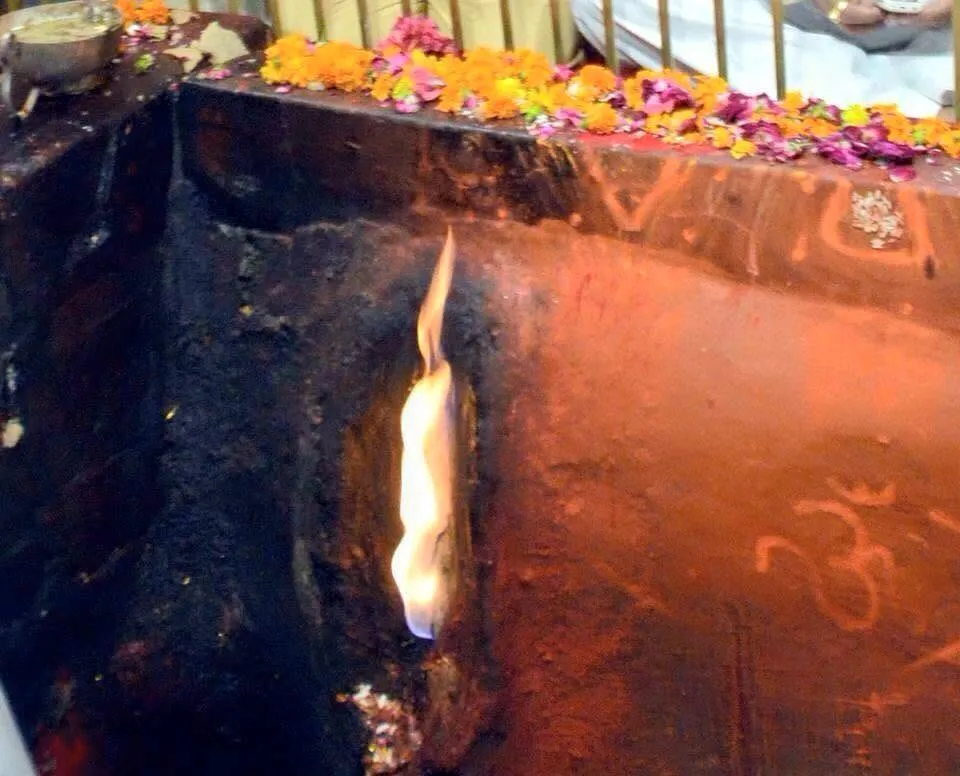
According to mythology, the eternal flames are connected with Sati (Image: Facebook/jaimaajwaliji)
The Eternal Flame And Akbar Connection
According to historical records, the eternal flames caught the attention of Mughal Emperor Akbar. He tried to extinguish the flame by pouring a massive stream of water channelled through an iron conduit. However, despite many attempts, the flames did not extinguish.
Realising the divine power, Akbar walked barefoot to the Jwala Temple and offered a golden umbrella as a gesture of repentance. To his surprise, the golden umbrella changed into strange metal. This event made him believe even more in the goddess. Today, the shrine attracts thousands of pilgrims every year who come seeking spiritual fulfilment.
Scientific Reason Behind The Eternal Flame
According to geologists, the reason behind the continuous flame is that the region sits atop the Shivalik Hills, where hydrocarbon deposits, possibly methane along with small amounts of carbon dioxide and nitrogen, are found. According to them, this gas seeps through the Earth's crust and, when exposed to oxygen, ignites. Scientists have further linked this to eternal flames found in other parts of the world, such as the ‘burning mountain’ in Australia and ‘eternal flame falls’ in the US.
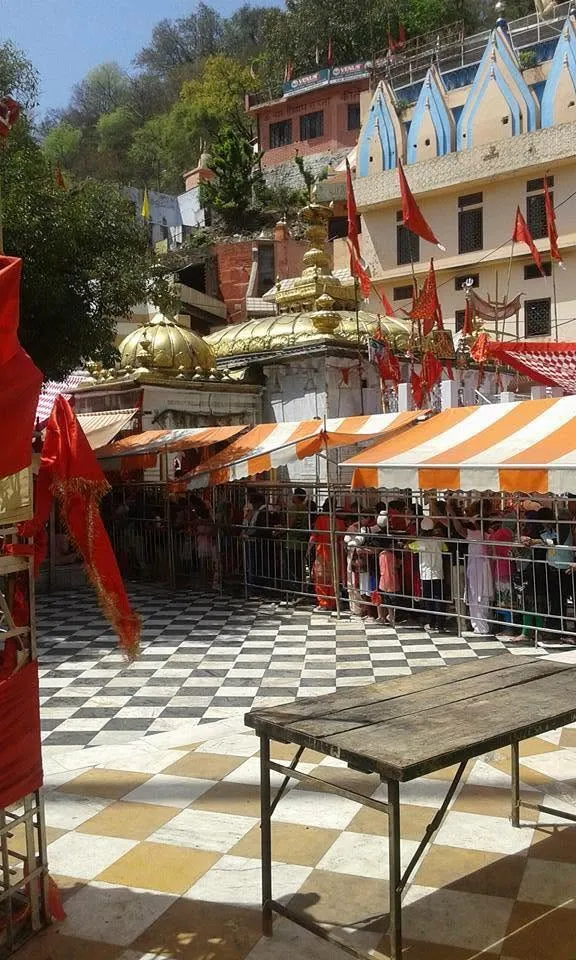
The reason behind the continuous flame is that the temple sits atop the Shivalik Hills (Image: Facebook/jaimaajwaliji)
ALSO READ: 10 Weapons Of Goddess Durga: Know Their Names And Symbolic Meaning
Do you also consider the eternal flames the representation of Goddess Sati or just a scientific phenomenon?
FAQs
1. Why is the flame at Jwala Ji Temple considered mysterious?
Because it burns continuously without oil, wick, or visible fuel source.
2. Why is the temple considered a Shakti Peetha?
It is associated with the legend that Goddess Sati’s tongue fell at this location, represented by the flame.