

In Indian society, the transgender community has always been a subject of curiosity and mystery. Kinnar’s are invited on special occasions like weddings, festivals, or after the birth of a child, as their presence is considered auspicious.
However, despite their loud public appearances, many secrets of this community are hidden.
One such aspect is there funeral rites. You've likely never witnessed a transgender funeral procession. While various other religions often grandly celebrate funerals, the transgender community keeps it a closely guarded secret.
But why do they do so? Let's understand the reason behind it in detail.
The Core Belief: Why Secrecy Matters
The last rites of the Kinnar are conducted in the dark of night; they don't want any outsider or commoner outside their community to witness their funeral. It is believed that if a common person witnesses the funeral of a transgender person, the deceased will again be born as transgender person in their next life.
As this community's lives are filled with struggles and social ignorance, they do not want their fellow members to endure the same pain again in the next life.
That is why the body of the death is covered in a white cloth, and instead of mourning the death, they celebrate it and pray for the deceased to receive a normal life in the next birth.
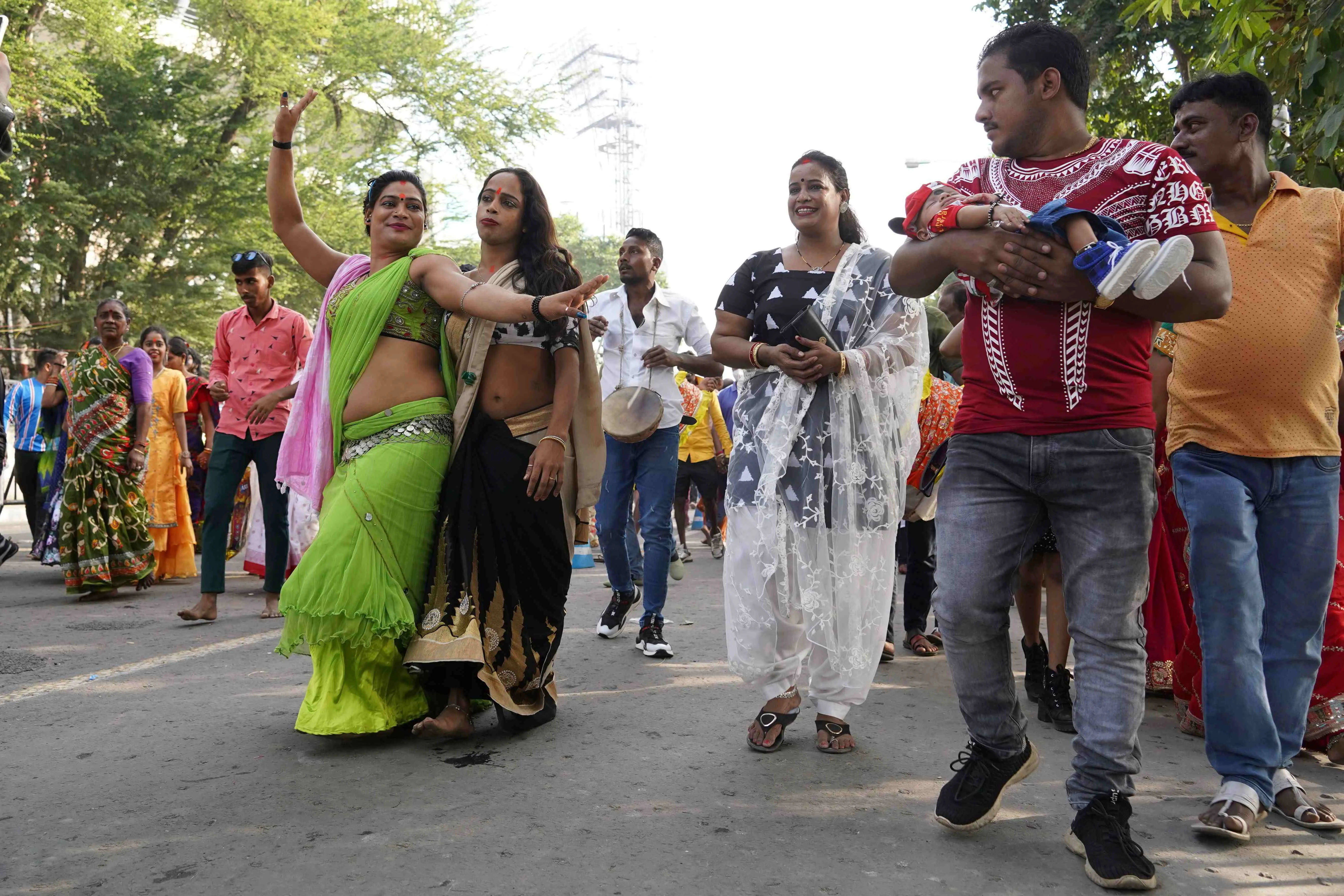
The last rites of the Kinnar are conducted in the dark of night (Image: Pexels)
ALSO READ: Feeling Overwhelmed? 5 Ancient Mantras To Anchor Your Inner Strength
How Do The Last Rites Of Kinnar’s Take Place?
In India, it is firmly believed that Kinnar possess strong spiritual power. Because of this, they know about their death a month before. During this time, they lock themselves in a room and pray to God for liberation from this life. After death, at night, their body is taken for funeral rites. Though mostly transgender community follows Hindu customs, their bodies are buried rather than cremated.
During the kinnar's funeral procession, where a normal human body is laid down and then creamted, in transgender community it is completely different. The body of the deceased, instead of being laid down, is buried in a standing position.
It is also believed that even the body of the deceased is beaten with shoes and abused before the funeral procession. The belief behind this practice is to free the deceased transgender person from the crimes they may have committed in their present life so that in the next life they are reborn as a normal human being.
It is also said that after the funeral of the transgender, the entire adult transgender community fasts for a full week and prays for the deceased soul.
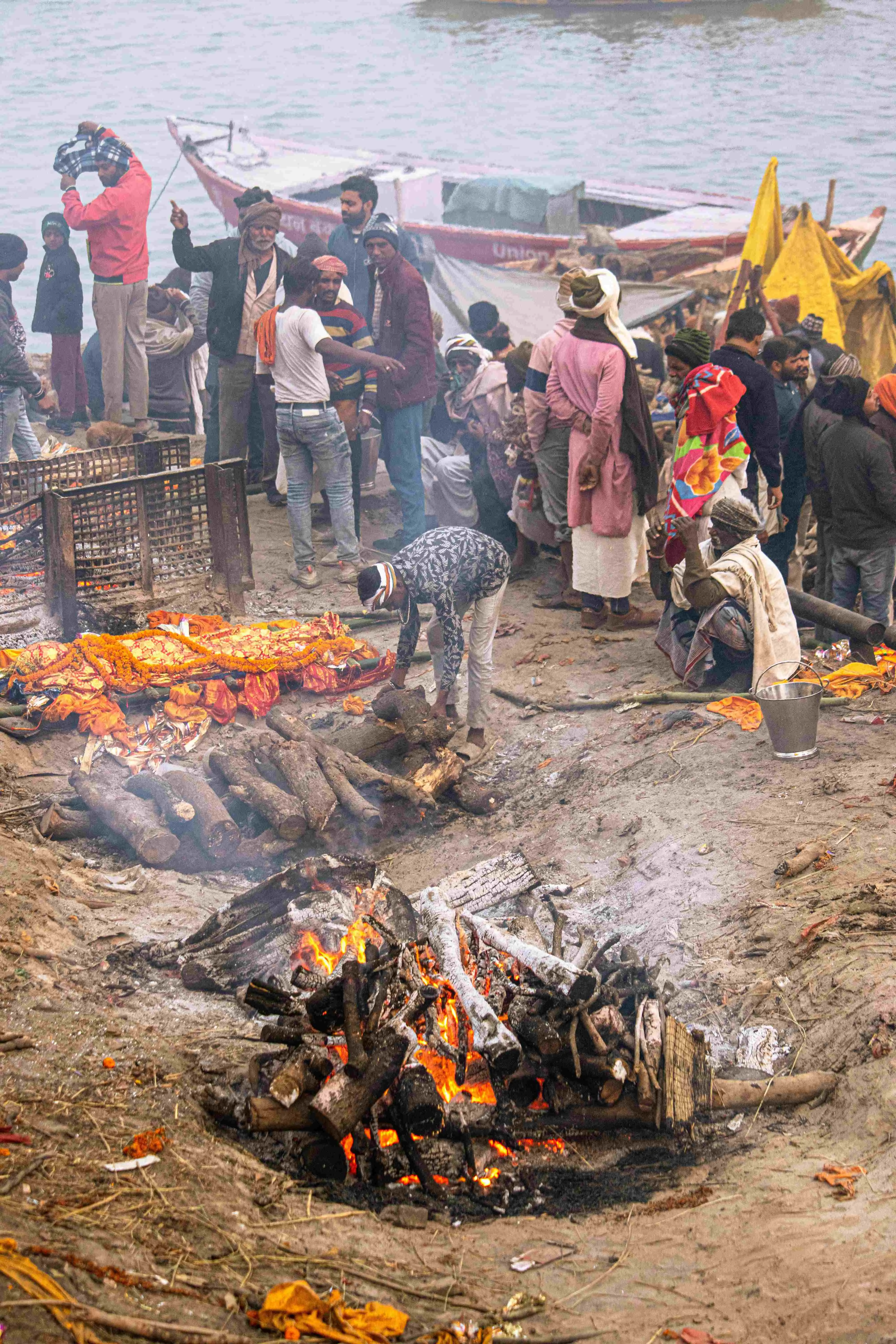
Transgender community mostly follows Hindu customs but their bodies are buried rather than cremated (Image: Pexels)
Challenging Myths: What Is Fact vs Fiction?
According to Kinnar Jagadguru Himangi Sakhi, throwing slippers or beating them with shoes is just a rumour. It may happen in old days, but now things have changed.
ALSO READ: Why Do Devotees Cover Their Heads in Temples?
Regardless of community, it is crucial to respect customs and privacy during the final farewell of any human.
FAQs
1.How can outsiders show respect for Kinnar funeral traditions?
Outsiders can show respect for Kinnar funeral traditions by respecting their privacy, avoiding sensationalism, and approaching the topic with empathy and understanding.
2. Are all Kinnar funerals the same, or do traditions vary by region?
The core funerals are the same, but they can vary within the broader Kinnar community.