

Located on the banks of Osman Sagar Lake in Hyderabad, Telangana, the Chilkur Balaji Temple is one of the oldest temples and is believed to have been constructed during the time of Madanna and Akkanna, the uncles of Bhakta Ramadas.
This temple has a swayambhu (self-manifested) idol of Lord Balaji, also known as Lord Venkateshwara, a form of Lord Vishnu.
Unlike traditional Indian temples known for lavish wealth or royal patrons, Chilkur temple stands out for its extraordinary faith, traditions, unique policies, and modern legend.
Here are 5 fascinating facts about Hyderabad’s famous 'Visa Balaji' temple.
1. The Origin Of The 'Visa Balaji' Legend
In the late 1980s, a group of young IT professionals and engineering graduates from Hyderabad visited Chilkur after facing repeated US visa interview rejections. They performed 11 pradakshinas (circumambulations) and vowed to return for 108 more if their visas were approved.
The word spread rapidly across Hyderabad’s booming IT corridor when their visas were granted. Today, thousands of US, UK, European, and Australian visa applicants visit this temple with their passports in hand, seeking the blessings of Lord Venkateswara before their consulate appointments.
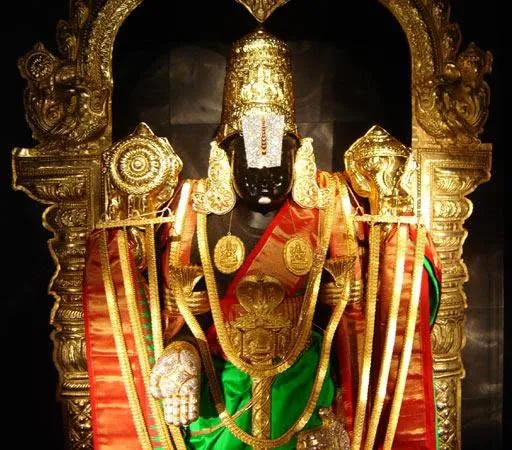
This temple has a Swayambhu (self-manifested) idol of Lord Balaji (Image: Facebook/ChilkurBalaji)
2. No Money Accepted: The 'Zero-Hundi' Temple
In an era where major temples collect millions in donations, Chilkur Balaji is a rare exception. It has no Hundi (donation box). The temple accepts no money, gifts, or VIP entry fees from devotees.
The temple management believes spirituality should never be commercialised. The only requirement is that whoever visits this temple should come with faith and devotion and perform the pradakshinas.
ALSO READ: 7 Things You May Not Know About Guruvayur Temple And Its Unique Religious Traditions
3. Strict ‘No VIP’ Policy
Whereas in many temples you see the importance given to VIPs, but at Chilkur Balaji, corporate CEOs, political leaders, celebrities, and daily-wage workers stand in the same queue. No special treatment is given to them.
The head priest, Dr M.V. Soundararajan, and chief priest C.S. Rangarajan have famously maintained a strict anti-VIP stance for decades. There are no special darshan, ensuring every devotee is treated equally.
4. The Science Of The 11 And 108 Ritual
The temple’s primary ritual revolves around two distinct steps:
1. The Wish (11 Pradakshinas): Devotees walk around the inner sanctum 11 times while focusing on their wish or goal (e.g., visa approval, career milestone, health recovery). 11 means '1 soul and 1 body'.
2. The Gratitude (108 Pradakshinas): Once the wish is granted, the devotee returns to walk 108 times around the temple as an act of gratitude and discipline.
108 here means ‘1 represents the existence of the Almighty, 0 represents creation, and 8 represents the time taken by the human body to come into the universe.’
Tip for visitors: Weekend crowds can reach up to 100,000 people. Plan to complete your 108 pradakshinas early on weekday mornings (around 6:00 AM) to avoid long wait times.
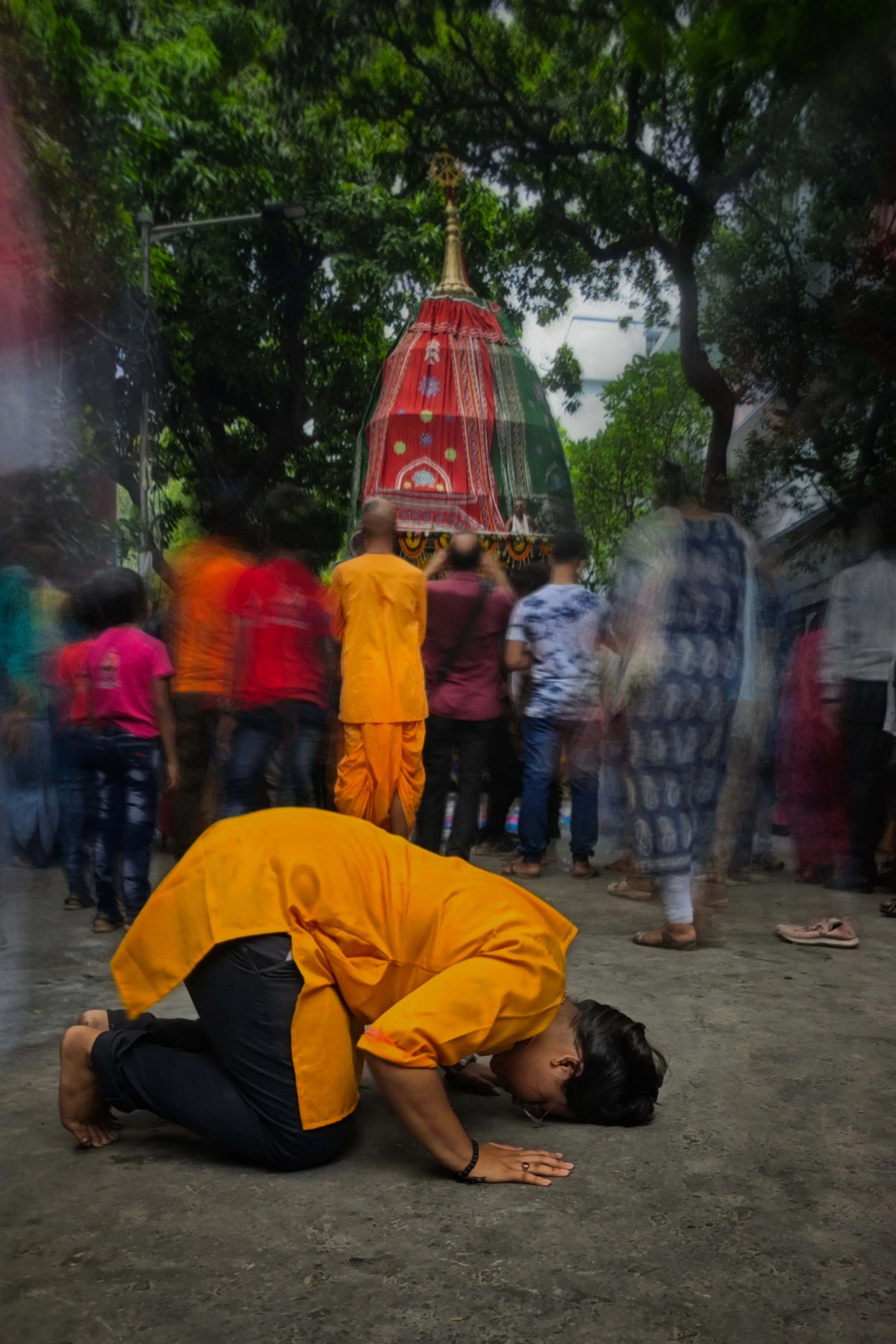
Once the wish is granted, the devotee returns to walk 108 times around the temple (Image: Pexels)
5. A 500-Year-Old Ancient History
While its reputation as a 'Visa Temple' is modern, the sanctum itself dates back over '500 years to the reign of Akkana and Madanna, two influential ministers of the Golconda Sultanate in the 17th century.
According to temple lore, a devotee who could no longer travel the long distance to Tirupati prayed deeply to Lord Venkateswara. The Lord appeared in his dream and revealed that his deity form was buried right under a nearby jungle mound.
When the devotee actually dug that spot, he miraculously found the idol. After this, the Chilkur shrine was built on that exact spot.
ALSO READ: How To Set Up A Puja Room At Home: Vastu Directions, Mandir Placement And Must-Haves
So, are you planning to visit this temple?
FAQs
1. What makes the idol at Chilkur Balaji special?
The idol at Chilkur is a Swayambhu idol — self-manifested, not sculpted by human hands. It depicts Lord Balaji flanked by both Sridevi and Bhoodevi, which is considered a rare and particularly auspicious iconographic combination.
2. How old is Chilkur Balaji Temple?
The temple is widely believed to be approximately 500 years old, with its founding associated with the era of Akkanna and Madanna, powerful ministers of the Golconda Sultanate.