
- By Aditi Priya Singh
- Mon, 08 Dec 2025 12:08 PM (IST)
- Source:JND
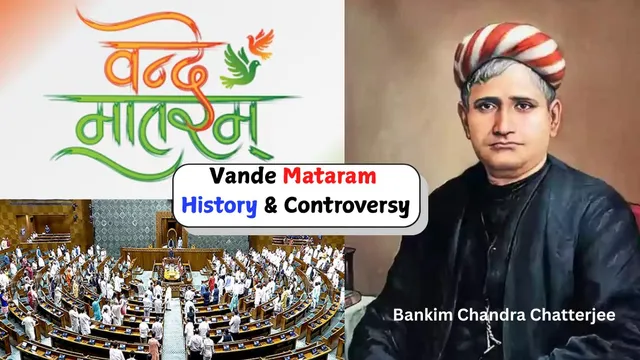
All About India’s National Song Vande Mataram: Vande Mataram is not just a song; but it is deeply connected to India's struggle for independence from British rule. However, today it remains both a source of pride and a point of controversy. Written around the 1870s by Bankim Chandra Chatterjee, it was first published in his novel Anandamath in 1882. Back then, under British control, people began to see it as more than words - almost like a powerful nationalist hymn. Over the years, it earned its spot as the country’s official "National Song," honoured alongside the national anthem “Jan Gan Mana.”
In 2025, the song is again in the spotlight because Indian Prime Minister Narendra Modi will initiate the much-awaited debate on Vande Mataram in the Lok Sabha on 8 December 2025 during the second week of the winter session. The discussion is a part of the 150th anniversary celebrations of the National song Vande Mataram. The debate is also held to respond to those who demand that certain stanzas be removed from the song lyrics.
In this article, we will closely examine the history of Vande Mataram, its origin, author, and the reasons that led to a debate in the Lok Sabha 2025.
Origin of Vande Mataram— Author, First Publication & Significance
-1765178869262.jpg)
Vande Mataram history (Image: GeminiuCanva)
Author and Date: The national song and poem “Vande Mataram” was written by Bankim Chandra Chatterjee during the 1870s to 1875.
First Publication: It was first published in 1882 in the literary journal Bangadarshan and later included in his (Bankim Chandra’s) novel Anandamath.
Title Meaning: "I bow to thee, Mother" is the true meaning of "Vande Mataram," which expresses a symbolic respect for the motherland.
Rise as a Patriot Song: During India's fight for independence, "Vande Mataram" turned into a strong anthem of pride. Rabindranath Tagore first sang it at the 1896 Congress Session in Calcutta to oppose British rule. Vande Mataram, as a political slogan, was first used on 7 August 1905.
Recommended For You



Adoption as National Song: In October 1937, the Congress Working Committee picked the first two stanzas only as the country’s song. After that, in Independent India, on January 24, 1950, the whole song got official recognition as the national song, treated just like the anthem.
Vande Mataram Meaning: What the Song Speaks About
-1765175820601.jpg) Vande Mataram Lyrics (Image: PIB and Instagram)
Vande Mataram Lyrics (Image: PIB and Instagram)
The original poem is an homage to the motherland with deep admiration, affection and devotion for “Mother India.” The first two stanzas use general patriotic language, highlighting the country’s natural charm and richness while calling for togetherness.
While in later stanzas the song incorporates spiritual references, naming Hindu deities such as Durga or Lakshmi. Because of this sacred flavour, a few people have felt uneasy, especially those from non-Hindu backgrounds.
So, for many, "Vande Mataram" brings feelings of pride, sacrifice and unity. Yet for some, especially people outside Hinduism, the spiritual hints make them wonder if it truly includes every Indian equally.
Why the Vande Mataram Debate Has Flared Up Again in 2025?
In 2025, “Vande Mataram” is again under intense public and political scrutiny. Some key reasons:
1. 150th Anniversary
The year marks 150 years since the poem was written - events nationwide sparked fresh curiosity about where it came from.
2. Parliamentary Debate in Lok Sabha
The central administration under Narendra Modi kicked off a unique discussion in Lok Sabha about “Vande Mataram,” looking into its past, and what it means nationally - sparking talks again on who it includes or leaves out, along with questions over which lines might need to be excluded.
ALSO READ: Vande Mataram, A Prayer To Maa Bharati': PM Modi As National Song Completes 150 Years
3. Religious and Cultural Sensitivity
As we mentioned earlier, the poem’s later stanzas bring in Hindu gods. Because of this, minority groups feel left out. Back in 1937, officials decided to keep just the opening two stanzas - so they could ease those worries.
4. Political Polarisation
Some political groups say removing those lines loses touch with history, while others think keeping them respects tradition. The debate now is whether the song still unites people in a country with diverse faiths and cultures.
Though its meanings and interpretations continue to provoke debate, "Vande Mataram" is still a potent symbol of India's independence. We will shortly update this article with the conclusions and results of the 2025 Lok Sabha debate.