
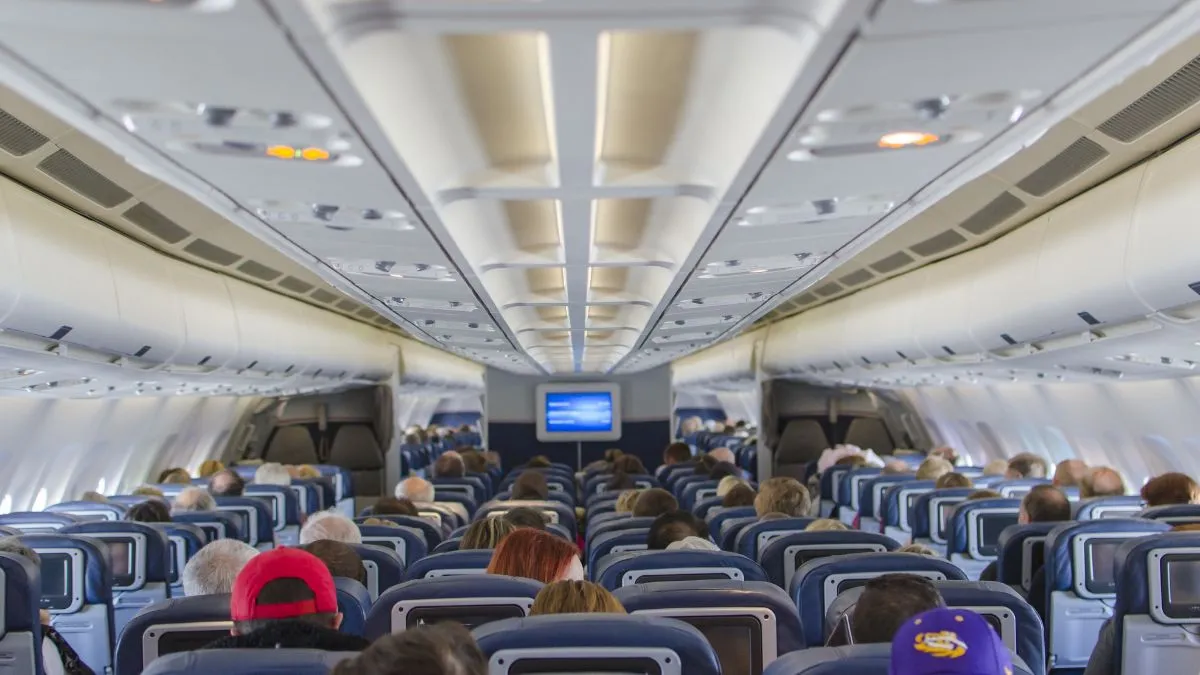
- Airlines refurbish old aircraft interiors to feel new.
- Older planes remain operational with regular maintenance.
- Supply chain issues keep many older jets flying.
Next time you take a flight, just look at the aircraft’s interior. It would be rare for you to figure out its “real age.” You could potentially be flying on a 30- or 40-year-old aircraft, but you probably wouldn’t be able to tell. Do you know why? Airlines refurbish older aircraft interiors to give passengers the feel of flying in a brand-new plane.
Are you flying on a 30-40-year-old aircraft?
Some of the world’s oldest commercial aircraft are continuing to fly passengers, even as airlines give their cabins a distinctly modern makeover. United Airlines, for instance, continues to operate Boeing 767-300ER aircraft that were delivered in 1991. Despite being more than three decades old, these planes still operate international routes, including services between Newark and London.
The aircraft’s age, however, may not be immediately obvious to passengers. Modern seats, updated ent
ertainment systems, refreshed lighting and redesigned cabins can make an ageing aircraft look and feel almost new.
Experts say commercial aircraft are built to remain operational for decades, provided they receive regular maintenance and inspections.
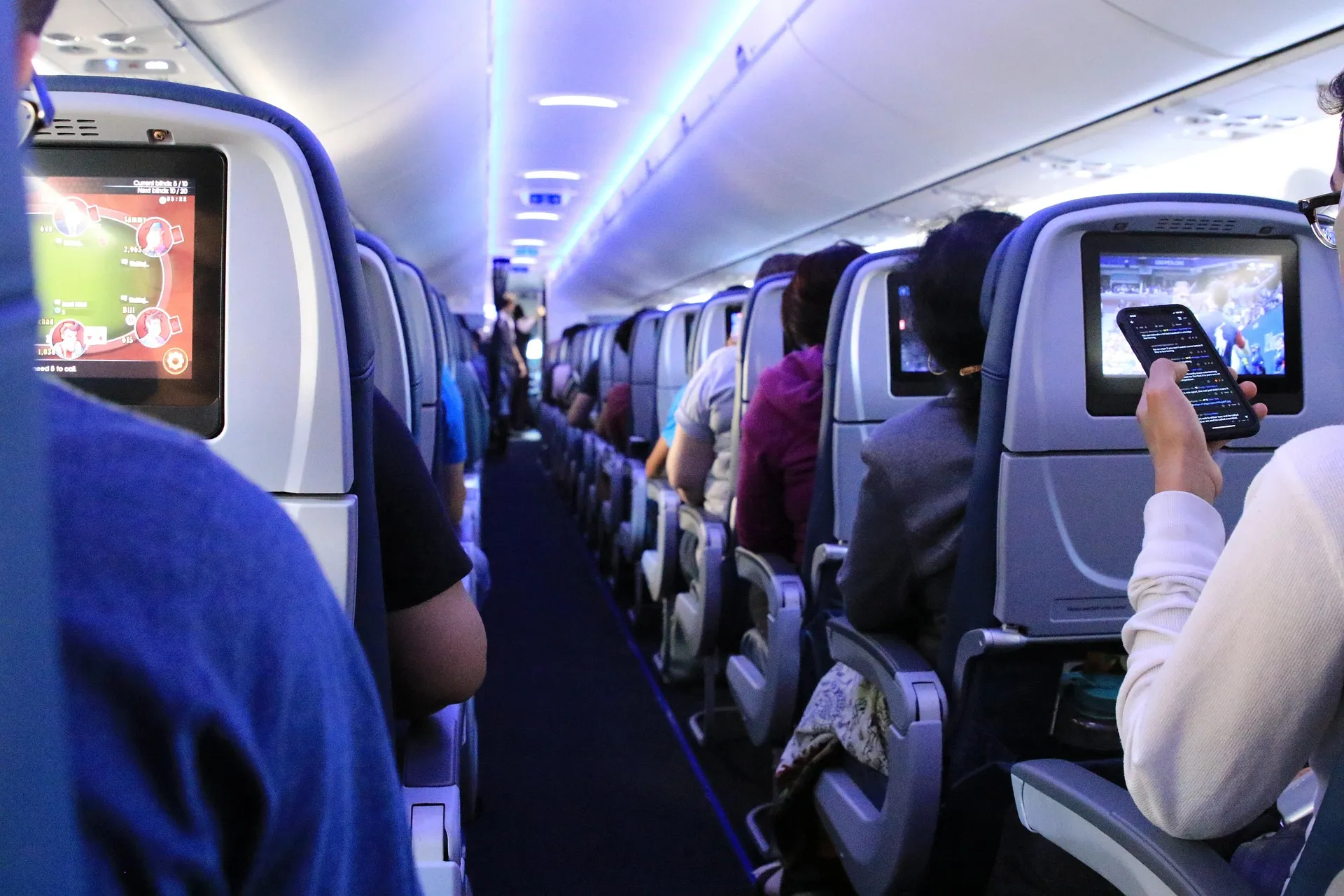
(Credit: Pixabay)
Supply chain problems keep older jets flying
The aviation industry’s struggle to receive new aircraft has encouraged airlines to extend the operational lives of existing fleets. Aircraft deliveries from Boeing and Airbus remain below previous peaks, while engine shortages, manufacturing problems and supply-chain disruptions have added further pressure.
Recommended For You
Cabin upgrades can also take considerable time because airlines must source increasingly complex equipment and secure regulatory approvals.
ALSO READ: Why Planes Do Not Fly Over Antarctica? Surprising Reasons You Should Know
Narrow-body aircraft are often kept in service longer than wide-body jets because they can remain economically viable despite their age. The oldest commercial passenger aircraft still operating is reportedly a Boeing 737 that is around 45 years old and flown by Canada-based Nolinor Aviation.
Fuel costs, engines and spare parts matter
Age alone does not determine whether an aircraft remains profitable. Fuel efficiency, maintenance expenses and the availability of spare parts can be far more important.
Older wide-body aircraft generally consume more fuel than newer models, making them less attractive for long-haul operations. But aircraft such as the Boeing 767 have developed a reputation for being relatively straightforward to maintain, with parts and engines readily available.
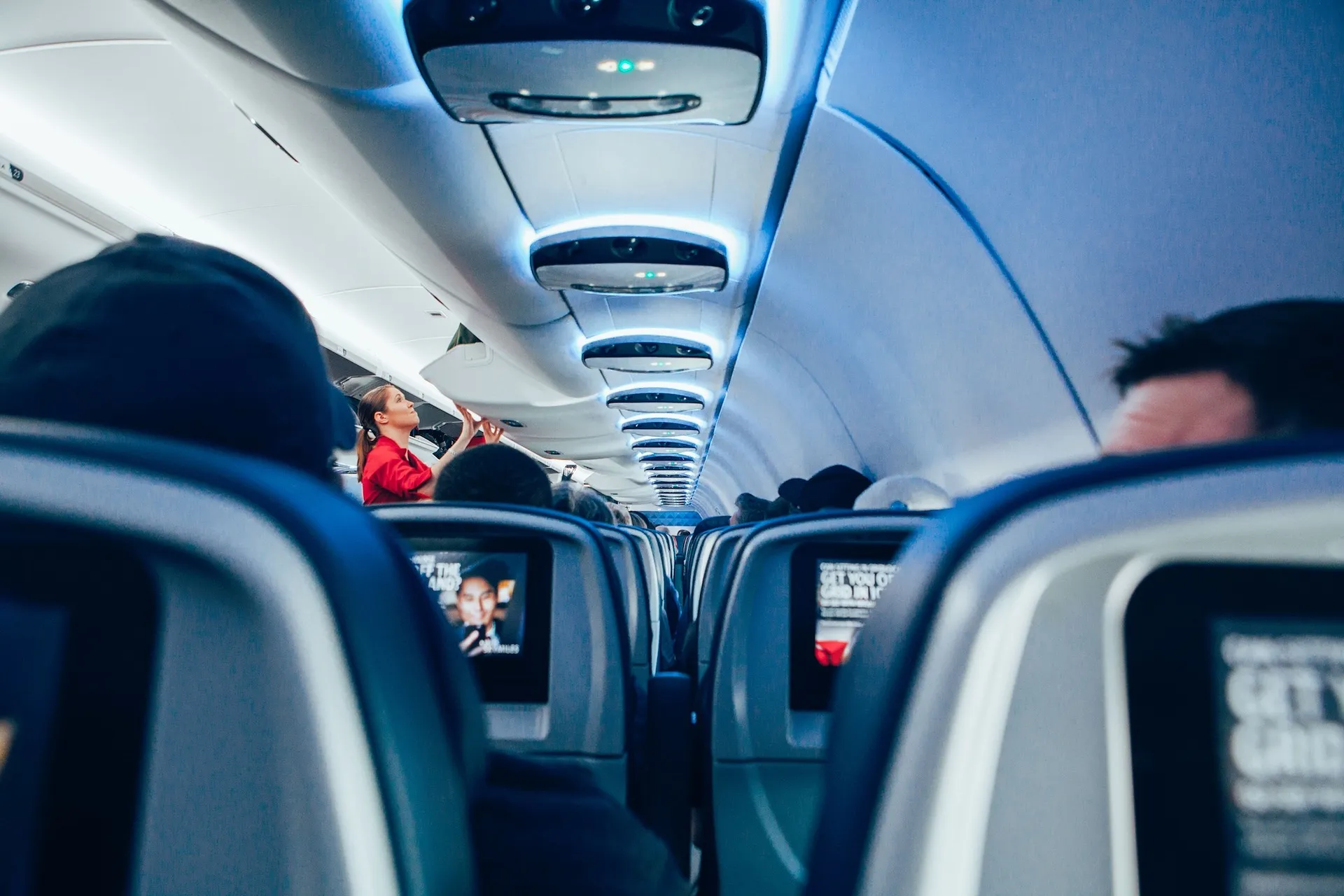
(Credit: Pixabay)
In some cases, engines and components can even become more valuable than the aircraft itself. The shortage of newer engines has created a market where relatively young planes may be dismantled simply to recover valuable parts.
How airlines make old planes feel new
Airlines are increasingly relying on cabin refurbishments to extend the appeal of ageing aircraft. Passengers primarily see the seats, lighting, overhead bins, entertainment screens and other interior features, not the age of the aircraft’s underlying structure.
American Airlines, for example, is upgrading cabins on dozens of Airbus A320 aircraft, while further refurbishment plans cover older Boeing 777s.
The strategy is simple: if the aircraft remains safe and economically viable, airlines can invest in the passenger experience rather than immediately replacing the entire plane.
For travellers, that means the aircraft they board may be decades old—but the experience inside can look unmistakably modern.