
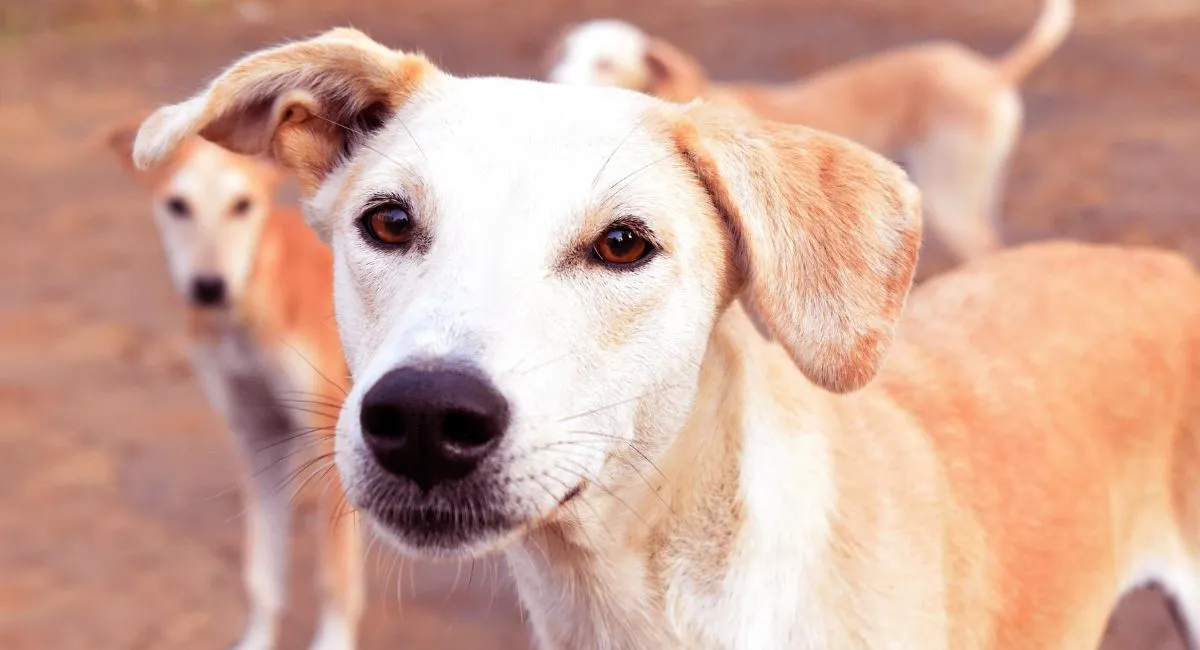
In a unique turn of events, an Australian tech entrepreneur claimed to have created a customised cure vaccine for his dog, Rosie, using artificial intelligence (AI) and ChatGPT. Identified as Paul Conyngham, the entrepreneur turned to AI for assistance after traditional treatment failed to control the growth of the tumour in his dog.
The 8-year-old Staffy-Shar Pei cross had mast cell cancer and was developing large tumours on one of its hind legs and had only been given a few months to live (per The Australian). With 17 years of experience in machine learning and data analytics, he used AI Chat GPT (an artificial intelligence chatbot) to create a plan for the vaccine and an AI program called AlphaFold to investigate the protein structure associated with Rosie’s cancer.
ALSO READ: Odisha: One Dead, 70 Houses Damaged As Kalbaisakhi Hits Mayurbhanj, IMD Sounds Alert
"We took her tumour, sequenced the DNA, we converted it from tissue to data, and we used that to find the problem in her DNA and then develop a cure based on that. ChatGPT assisted throughout that entire process," NDTV quoted Conyngham.
Recommended For You
Custom mRNA Cancer Vaccine
The custom-made, messenger RNA (mRNA) cancer vaccine was created to specifically target mutations in Rosie’s tumours. Conyngham collaborated with the University of New South Wales researchers to create the vaccine, which was administered to Rosie in December.
The tumours have reportedly decreased by 50 per cent, and Rosie has exhibited significant gains. Indeed, Conyngham was awe-struck when he saw Rosie jump a fence while chasing a rabbit.
Dog Regains Energy
"In December, she had low energy because the tumours were creating a huge burden for her. Six weeks post-treatment, I was at the dog park when she spotted a rabbit and jumped the fence to chase it. I'm under no illusion that this is a cure, but I do believe this treatment has bought Rosie significantly more time and quality of life," Conyngham said.
Conyngham overcame regulatory challenges to proceed with the treatment, including a three-month period during which he needed to obtain ethics approval.