
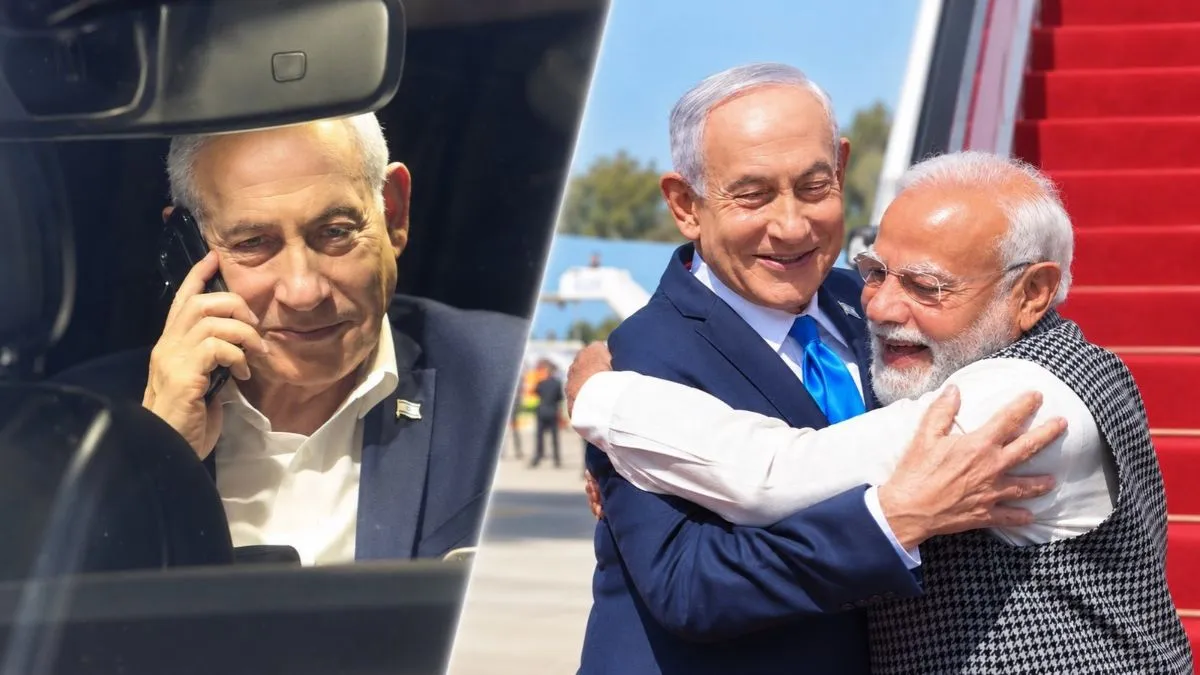
- Israel elections impact India's defence, trade, and tech partnerships.
- Outcome crucial for India's West Asia diplomatic balancing act.
- Continuity in defence supplies and emerging technology cooperation is key.
As Israelis head to the polls on Tuesday, the election carries implications that extend beyond Prime Minister Benjamin Netanyahu's political future. For India, the outcome could influence defence cooperation, trade negotiations, emerging technology partnerships and New Delhi's delicate diplomatic balancing act across West Asia. While a change of government would not automatically alter bilateral relations, it could reshape Israel’s regional priorities and the pace of cooperation with India.
Defence cooperation remains the biggest strategic stake
Israel is an important supplier of military equipment and technology to India, with collaboration spanning defence research, intelligence-related capabilities and joint production. In a region marked by prolonged conflict, New Delhi will be watching whether the next Israeli government maintains existing commitments and ensures continuity in defence supplies. The broader objective is to deepen technological cooperation while strengthening India’s domestic defence manufacturing capabilities.
Political relationship between New Delhi and Jerusalem
PM Modi and Netanyahu have cultivated close ties, and their governments elevated bilateral relations to a "Special Strategic Partnership for Peace, Innovation and Prosperity" in February this year. However, India's engagement with Israel is supported by institutional agreements and shared interests beyond the two leaders. A new prime minister could bring a different political style, but the underlying partnership has several foundations that could sustain it.
Recommended For You
Election will matter for India's balancing act between Israel and Iran
New Delhi maintains strategic cooperation with Israel while seeking to preserve relations with Tehran, particularly over regional connectivity and access to Afghanistan and Central Asia. The Chabahar port project remains an important consideration, although uncertainty surrounding US sanctions complicates its future. Any escalation in Israel-Iran tensions could raise shipping costs, disrupt regional commerce and make India's diplomatic choices more difficult.
Trade and technology form the fourth stake
India and Israel are negotiating a free trade agreement aimed at expanding commercial opportunities. Their cooperation also covers artificial intelligence, cybersecurity, semiconductors, agriculture and water management. The next government’s approach to these initiatives will matter to Indian exporters, investors and technology companies seeking deeper access to Israeli expertise and markets.
Regional connectivity and diplomatic stability remain critical
The proposed India-Middle East-Europe Economic Corridor (IMEC) could strengthen India’s links with the Gulf and Europe, but its progress depends on regional cooperation and security. India must also maintain relations with Arab countries and uphold its stated support for a negotiated solution to the Israeli-Palestinian conflict. Developments in Gaza and Israel’s wider regional policy will therefore remain important to New Delhi.
(With inputs from agencies)
You may also like to watch